


What Is Cubic Zirconia? Properties, Price, and Buying Tips
Cubic zirconia is a man-made stone created from zirconium dioxide that closely resembles a diamond. Since it first hit the jewelry market in 1976, CZ has become the go-to choice for anyone who wants sparkle without the hefty price tag. You get brilliant shine, impressive durability, and the look of a diamond at a fraction of the cost. CZ works perfectly for everyday rings, statement earrings, tennis bracelets, and any piece where you want maximum sparkle with minimal investment.
This guide breaks down everything you need to know about cubic zirconia. You'll learn about its physical properties, how it stacks up against diamonds and moissanite, what you should expect to pay, and how to spot quality CZ jewelry. We'll also cover care tips to keep your pieces looking new and help you decide when cubic zirconia makes the most sense for your jewelry collection.
Why cubic zirconia matters in jewelry
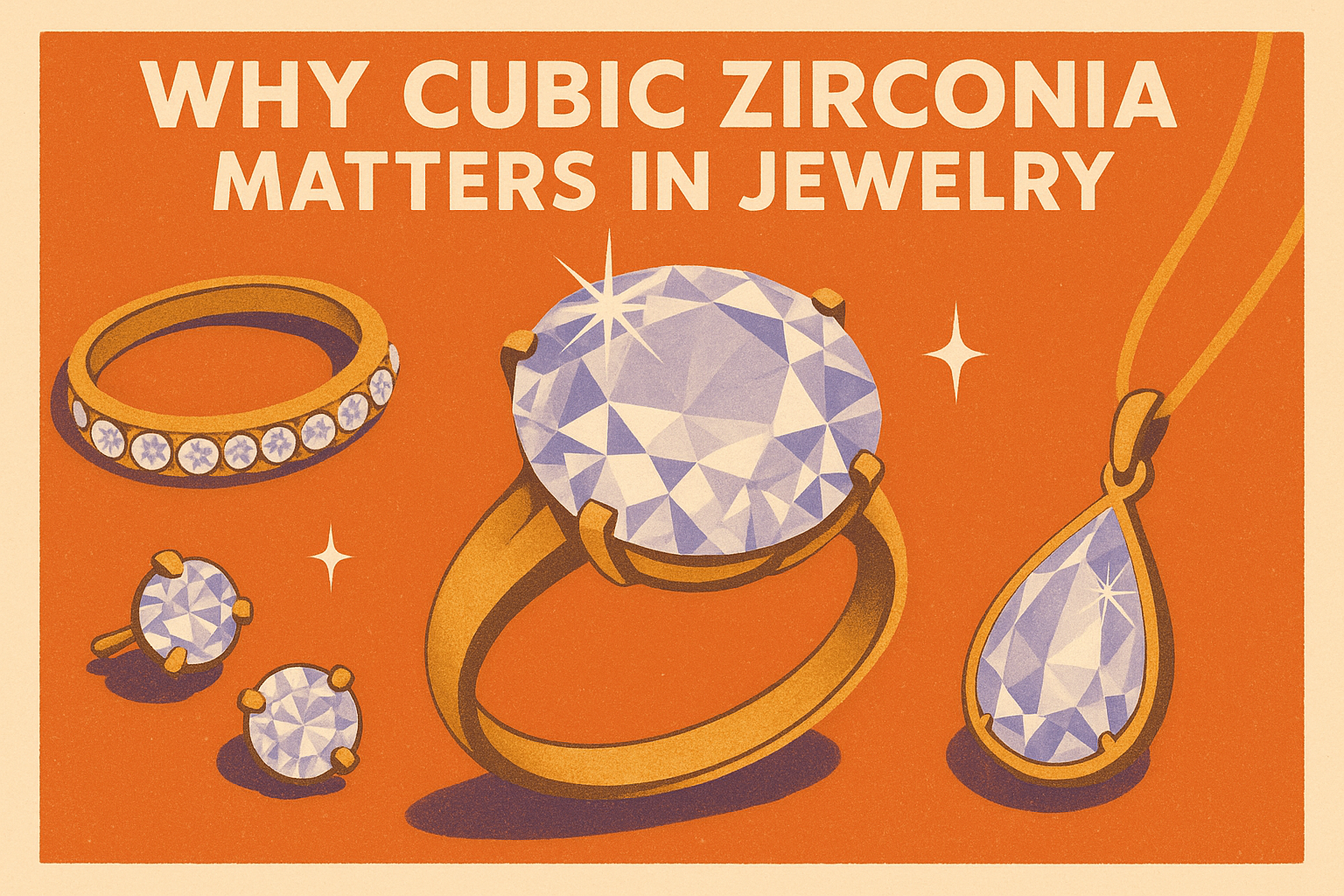
Cubic zirconia transformed the jewelry industry by making diamond-like sparkle accessible to everyone. Before CZ became widely available, you either spent thousands on diamonds or settled for glass imitations that looked cheap and scratched easily. CZ changed that equation completely. You now get stunning brilliance at prices that let you build a full jewelry collection without emptying your savings account. This accessibility opened doors for people who want to look polished and put-together without making a massive financial commitment to each piece.
Budget-friendly versatility
The affordability of cubic zirconia means you can experiment with different styles without worry. You can own statement pieces for special occasions, everyday studs for the office, and trendy designs that match this season's fashion without calculating the resale value of each purchase. Your jewelry box becomes more diverse because each piece costs a fraction of what you'd pay for genuine diamonds. This flexibility extends to replacements too. If you lose an earring or a stone falls out, you're not facing a financial disaster that keeps you up at night.
CZ lets you wear sparkle daily without the stress of protecting a major investment.
Many people also choose cubic zirconia for ethical reasons since it's lab-created and doesn't involve mining.
How to choose cubic zirconia jewelry
Shopping for cubic zirconia jewelry requires a different approach than buying diamond pieces. You want to focus on cut quality and setting durability rather than certifications and investment value. The right CZ piece should sparkle intensely under light, sit securely in its setting, and pair with a metal that matches your lifestyle. Your selection process becomes simpler when you know which details actually matter and which ones are just marketing noise.
Check the stone's clarity and cut
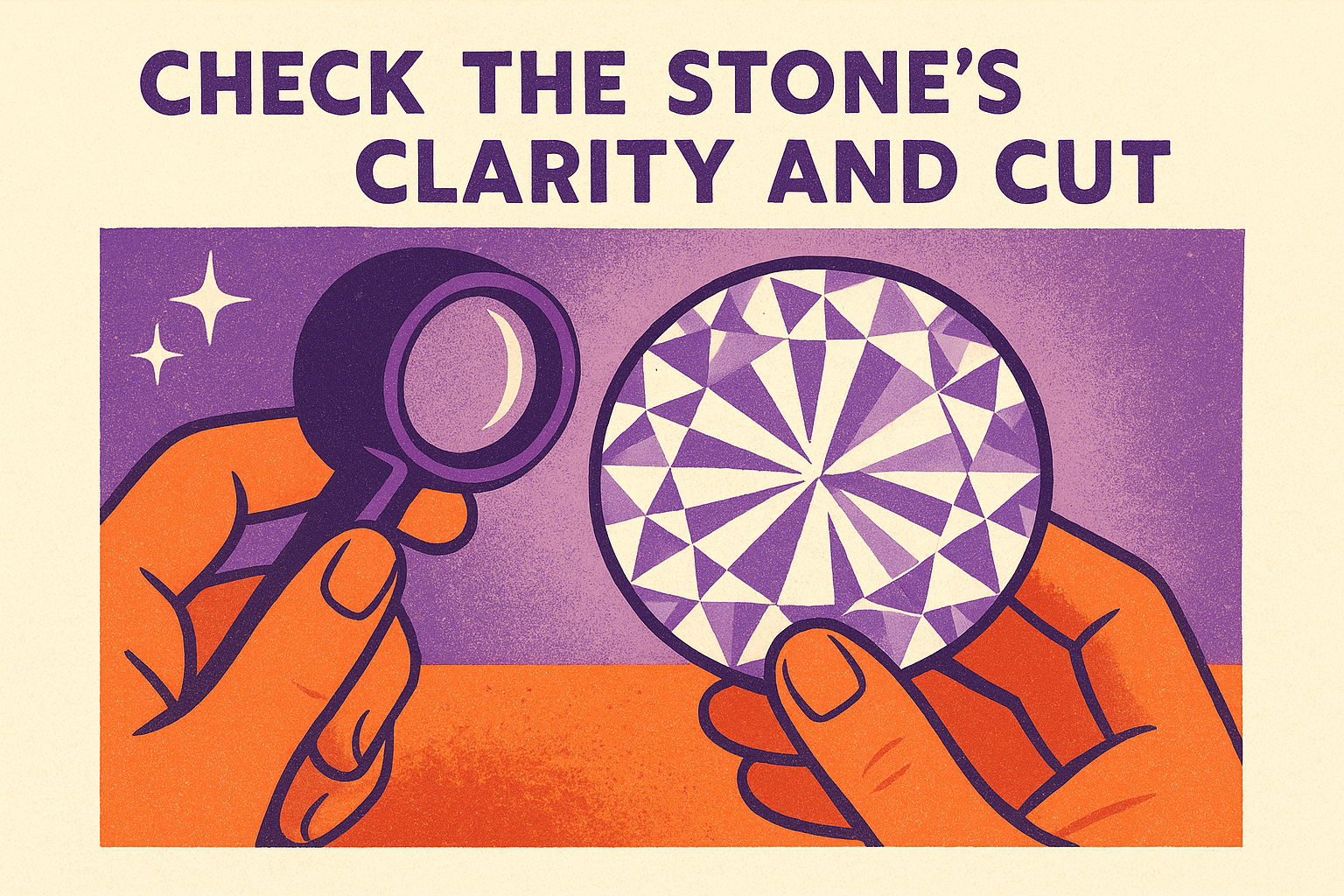
Look for cubic zirconia stones that show flawless clarity with no visible bubbles or inclusions. Quality CZ should appear perfectly clear when you hold it up to natural light, with no cloudiness or color tints unless you're specifically buying colored stones. The cut matters more than the grade labels sellers use. You want sharp, precise facets that catch light from multiple angles and create that signature sparkle. Avoid stones with rounded edges at the facet junctions since this indicates lower manufacturing standards and reduced brilliance.
Match metal quality to your needs
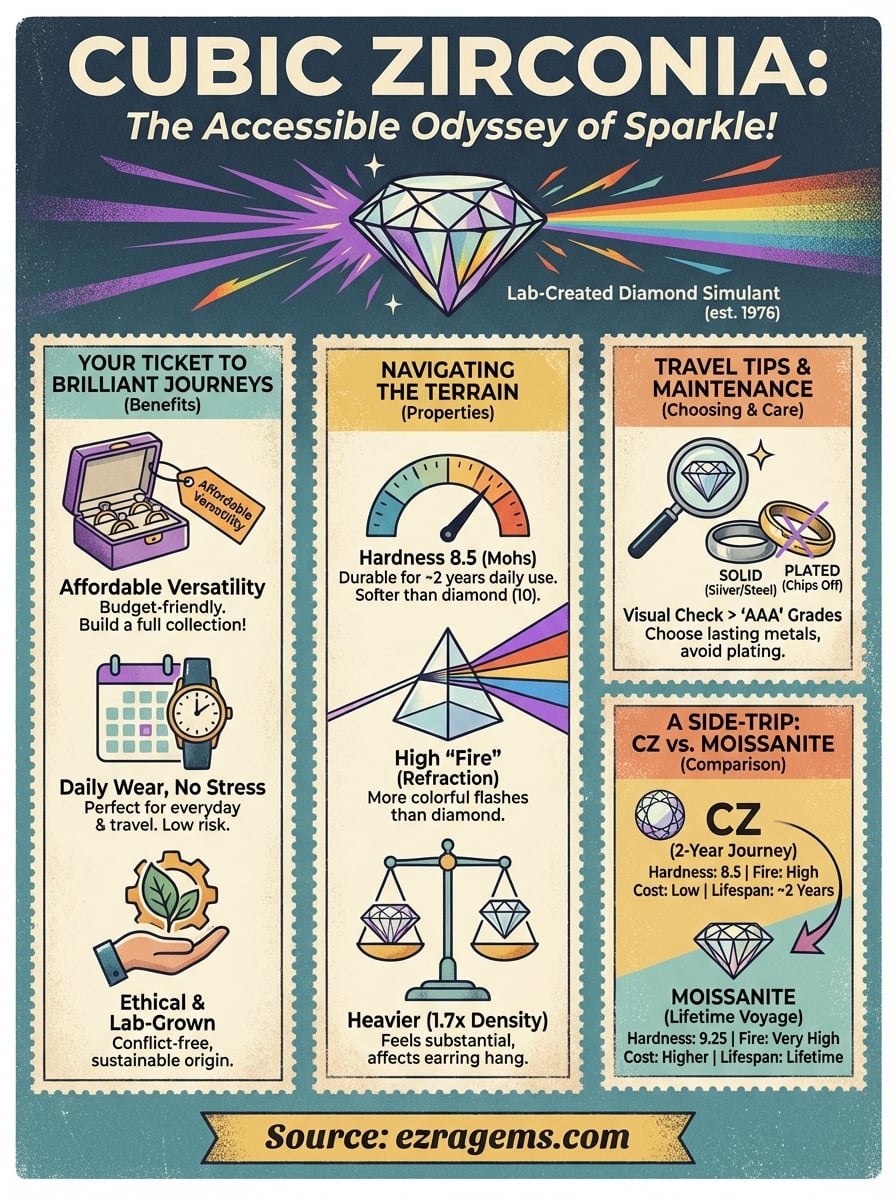
Sterling silver and stainless steel work best for cubic zirconia jewelry because they offer solid durability without excessive cost. These metals last longer than the stones themselves, which typically need replacement after two years of daily wear. Skip brass or copper pieces with gold or platinum plating since the plating chips off quickly and exposes the base metal underneath. If you want the look of gold, choose 14K gold-filled or solid gold settings, but remember that you're investing in a temporary stone. Your metal choice should align with how long you plan to wear the piece before the CZ needs replacement.
Choose metals that will outlast the stone so your setting stays usable when you replace worn cubic zirconia.
Avoid meaningless grading systems
Retailers often assign grades like AAA, AAAAA, or 5A to cubic zirconia stones, but these ratings carry no standardized meaning across the industry. Since CZ is mass-produced in controlled lab environments, quality remains consistent regardless of what grade appears on the listing. Don't pay premium prices for supposedly "high-grade" stones. Focus instead on visual inspection and the seller's return policy so you can assess the actual sparkle and clarity when your jewelry arrives.
Key properties of cubic zirconia
Understanding the physical characteristics of cubic zirconia helps you set realistic expectations for how your jewelry will perform over time. CZ shares several properties with diamonds, but key differences affect both appearance and longevity. You need to know these traits to make informed choices about when cubic zirconia works best for your needs and when you might want to consider alternatives.
Hardness and durability ratings
Cubic zirconia scores 8.5 on the Mohs hardness scale, which places it among the more durable synthetic stones available. This rating means CZ resists scratches better than most natural gemstones like emerald or opal, but it still falls short of diamond's perfect 10 rating. Your CZ jewelry handles daily wear reasonably well for the first year or two, but everyday exposure to harder materials gradually dulls the surface. Even household dust contains particles that can scratch cubic zirconia over time, which explains why these stones develop that cloudy appearance after regular use.
The practical impact shows up quickly if you wear CZ rings daily. You'll notice micro-scratches accumulating on the stone's surface within months, reducing its sparkle. This brittleness also makes cubic zirconia more prone to chipping if you accidentally bang your ring against hard surfaces.
Light performance characteristics
Light behaves differently when it passes through cubic zirconia compared to natural diamonds. CZ displays a refractive index of 2.15 to 2.18, which creates more colorful flashes called fire. You see rainbow sparkles dancing across the stone's surface under bright light because CZ disperses light into its color spectrum more dramatically than diamonds do. This increased fire can look stunning in smaller stones but sometimes appears less natural in larger pieces where the rainbow effect becomes overwhelming.
CZ produces more colorful sparkles while diamonds show more white light brilliance.
Weight and density differences
Cubic zirconia weighs approximately 1.7 times more than a diamond of the same size, which means a 1-carat CZ feels noticeably heavier in your hand than a 1-carat diamond. This density difference matters most when you're shopping for larger stones since increased weight affects how jewelry sits on your ear or hangs from a necklace. The extra mass can make CZ earrings pull down more than diamond studs of equal visual size, which impacts comfort during extended wear.
Cubic zirconia versus other stones
Comparing cubic zirconia to other gemstones helps you understand where CZ fits in the jewelry world and when it makes sense to choose alternatives. Each stone category brings different strengths to the table, from natural durability to unique optical properties. Your choice depends on what matters most to you: budget, longevity, appearance, or ethical considerations. The comparison becomes clearer when you look at specific alternatives that shoppers frequently consider alongside CZ.
Cubic zirconia versus moissanite
Moissanite outperforms cubic zirconia in almost every measurable category. This lab-created stone scores 9.25 on the Mohs scale, making it significantly harder and more resistant to scratching than CZ's 8.5 rating. You'll get decades of wear from moissanite jewelry instead of the two years you typically see with cubic zirconia. Moissanite also shows more brilliance and fire than CZ, with rainbow flashes that some people love and others find too intense. The trade-off comes down to price since moissanite costs considerably more than CZ, though still far less than diamonds.
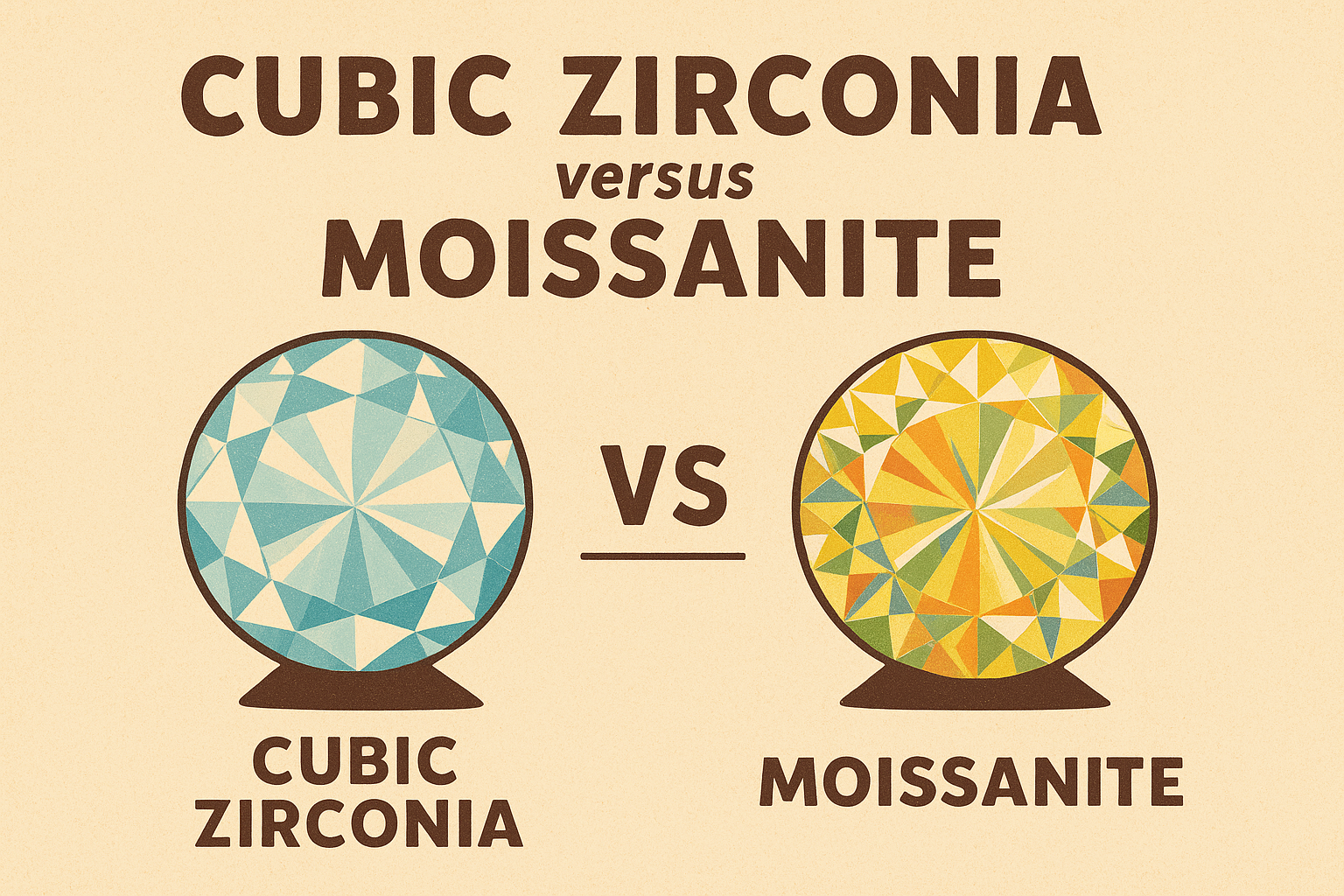
Moissanite lasts a lifetime while cubic zirconia typically needs replacement after two years of daily wear.
Your decision between these two stones depends on your priorities. Choose moissanite when you want long-term value and plan to wear the piece regularly for years. Pick CZ when you're buying trendy designs you'll rotate out, travel jewelry you might lose, or pieces you wear occasionally.
Performance against other simulants
White sapphire and lab-grown diamonds represent the other main alternatives to cubic zirconia. White sapphire scores 9 on the Mohs scale and lasts much longer than CZ, but it shows less sparkle and appears slightly cloudy compared to the brilliant flash of cubic zirconia. Lab-grown diamonds offer identical properties to natural diamonds at lower prices, but they still cost significantly more than CZ. These stones make sense when you want genuine diamond characteristics without the mining concerns or when you're investing in an heirloom piece that will last generations.
Price and care of cubic zirconia
Cubic zirconia delivers exceptional value when you consider the price-to-sparkle ratio. Understanding both the cost structure and proper maintenance helps you maximize your investment and keep your pieces looking brilliant for as long as possible. Your approach to caring for CZ jewelry directly impacts how long it maintains that fresh, sparkling appearance before requiring replacement or professional polishing.
What you'll pay for cubic zirconia pieces
You'll find loose cubic zirconia stones priced between $20 to $50 per carat, with larger stones costing slightly more due to increased material and manufacturing requirements. Most CZ jewelry pieces fall into the $50 to $150 range depending on the metal quality and design complexity. Settings made with sterling silver or stainless steel typically cost $50 to $90, while 14K gold settings push prices higher to $100 and beyond. The metal accounts for most of the total cost since the stones themselves remain inexpensive regardless of size. Budget more for the setting than the stone since you'll likely replace worn CZ before you need to replace quality metalwork.
Your metal choice matters more than stone size when determining cubic zirconia jewelry value.
Daily care and maintenance tips
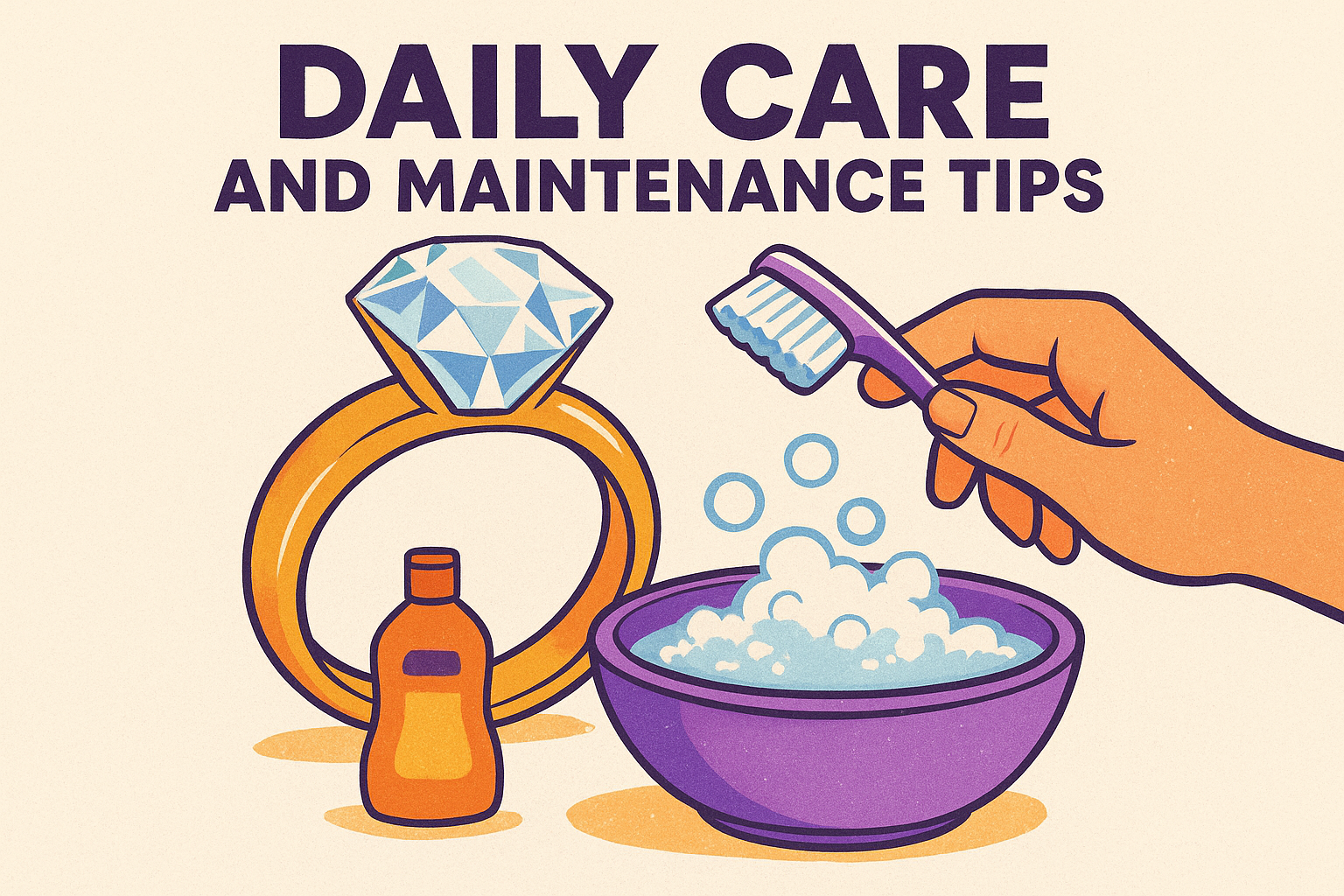
Clean your cubic zirconia jewelry every two weeks with mild dish soap and warm water to remove accumulated oils and residue. Use a soft toothbrush to gently scrub around the settings and rinse thoroughly under running water. Store pieces separately in soft cloth pouches to prevent scratching between items. Remove CZ jewelry before applying lotions, perfumes, or hairspray since these products leave films that dull the stone's sparkle. Take off rings during activities like gardening, exercising, or cleaning to minimize exposure to abrasive materials that accelerate surface wear.
Key takeaways
Cubic zirconia gives you diamond-like brilliance at prices that make building a diverse jewelry collection realistic. You get stunning sparkle for everyday wear, special occasions, and trendy pieces without the financial commitment of natural diamonds. The stone performs well for two years of regular use before needing replacement or polishing, which makes it perfect for fashion-forward designs you'll rotate out anyway. Sterling silver and stainless steel settings provide the best value since they outlast the stones themselves.
Your approach to cubic zirconia should focus on visual quality rather than meaningless grade labels sellers use for marketing. Skip pieces with plated metals that chip quickly, and choose CZ for situations where you want maximum sparkle without the stress of protecting a major investment. Regular cleaning with mild soap keeps your pieces bright, while proper storage prevents scratches that dull the surface.
Ready to add brilliant sparkle to your collection? Browse our bestselling jewelry pieces for styles that keep customers coming back.
Leave a comment