


Picture this: You're planning your future not in a solo condo, but in a cozy house with your best friends, sipping wine on the lanai and trading witty one-liners over cheesecake. That's the golden girl era, a cultural movement reshaping how Millennials and Gen Z think about growing older. Far from dreading aging, people are now embracing it with confidence, a tight-knit crew, and an aesthetic that's equal parts bold and timeless.
This trend goes beyond sitcom nostalgia. It's a whole vibe rooted in friendship, self-expression, and living unapologetically at every age. At Ezra Gems, we see this energy reflected in how our customers choose jewelry that speaks to who they are, layered gold, statement pieces, accessories that feel personal rather than predictable. Whether you're already living your golden girl moment or just discovering what it means, this guide covers the origins, the aesthetic, and exactly why this era is having its moment right now.
What "Golden Girl era" means
The golden girl era describes a cultural mindset where you embrace aging as something to celebrate rather than hide from. At its heart, this concept draws inspiration from The Golden Girls, the beloved 1980s sitcom about four older women sharing a home in Miami, supporting each other through life's ups and downs while maintaining their independence, humor, and style. When someone says they're in their golden girl era, they're signaling that they're prioritizing friendship, authenticity, and personal expression over traditional expectations about aging gracefully or settling into invisibility.
This isn't about literally recreating a TV show. You're claiming ownership of your life on your own terms, whether that means choosing roommates over romance, wearing bold colors instead of fading into neutrals, or building a social circle that feels more like family. The term captures a shift in values where community, comfort, and confidence matter more than trying to look or act younger than you are.
The lifestyle it represents
You see this era play out in real decisions people make about how they want to live. Some friends are actively planning to buy homes together in their 40s or 50s, creating modern versions of the shared living arrangement Dorothy, Rose, Blanche, and Sophia modeled. Others express it through their wardrobes, choosing statement jewelry, vibrant prints, and accessories that reflect personality rather than following age-appropriate fashion rules.
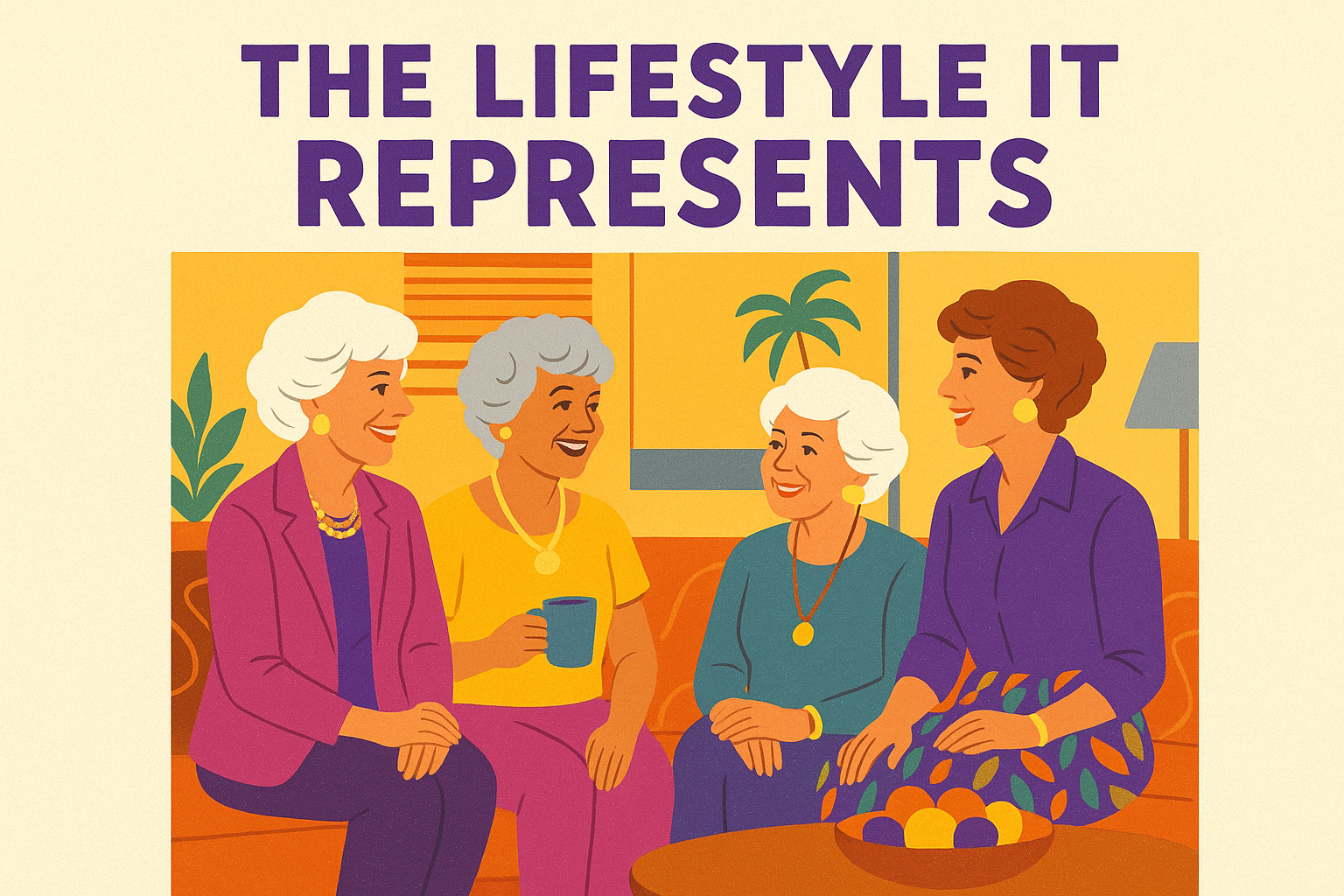
The lifestyle also shows up in social priorities. You might turn down a romantic relationship that doesn't add value to your life while investing more energy in deep friendships that actually sustain you. Weekend plans shift from keeping up appearances to hosting dinners, game nights, or simply existing comfortably with people who know you well.
"The golden girl era represents freedom from performative youth and permission to live exactly as you choose."
What it looks like in practice
In everyday life, this mindset influences both big choices and small moments. You might wear layered gold necklaces with a casual outfit because they make you feel confident, not because they're trending. You could prioritize a trip with friends over saving for retirement alone, recognizing that experiences with your chosen family matter just as much as financial security.
Your golden girl era might mean redecorating your space with bold patterns and textures that younger you would have considered too much. It could involve speaking more directly, caring less about others' opinions, and building a life that prioritizes joy and connection over meeting external expectations about what your age should look like.
Where it came from and why it's trending
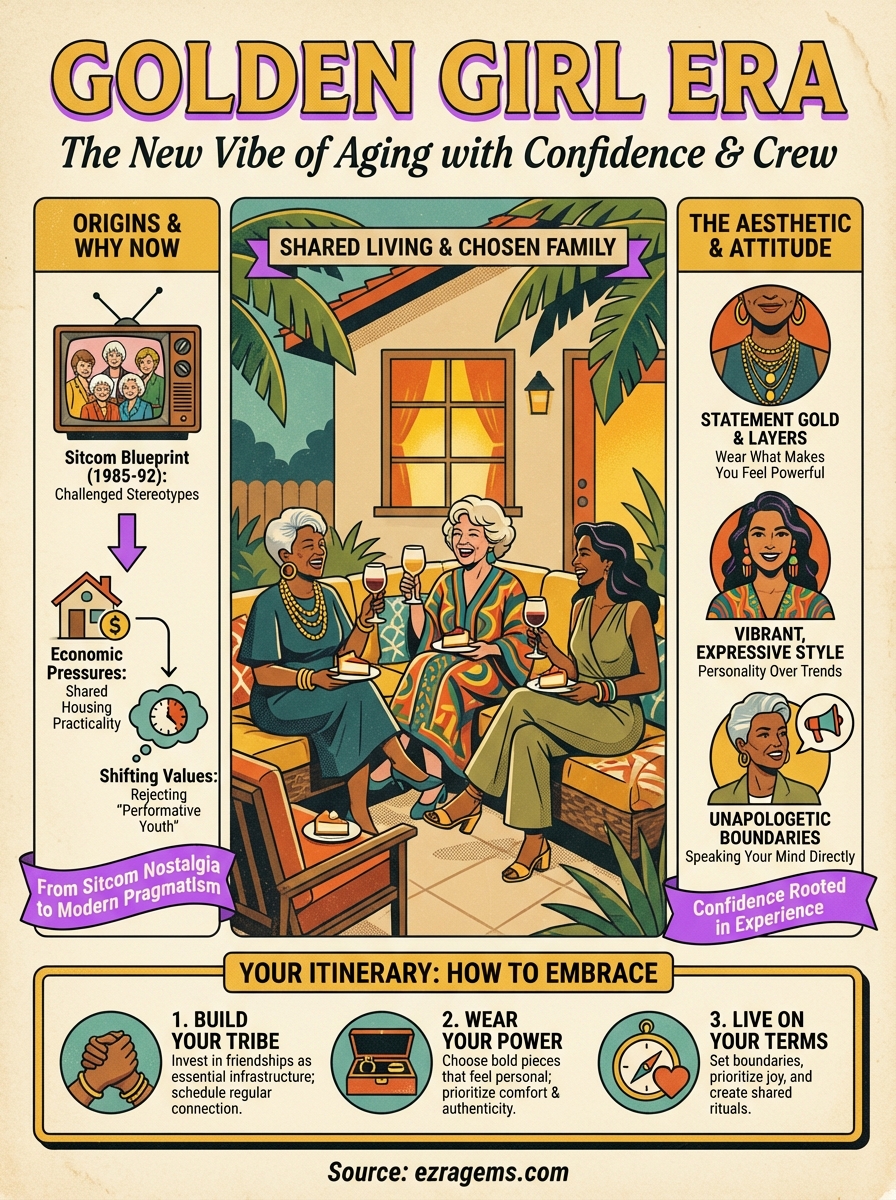
The phrase golden girl era traces directly back to The Golden Girls, which aired from 1985 to 1992 and followed four women navigating life, friendship, and independence in their later years. The show broke ground by centering older women as complex, sexual, funny, and fully realized characters rather than background figures or punchlines. While the sitcom itself was popular during its original run, the cultural movement around living your golden girl era gained momentum in the mid-2010s as Millennials started confronting their own aging and questioning traditional life trajectories.
The sitcom that started it all
Dorothy, Rose, Blanche, and Sophia created a blueprint that challenged every stereotype about what older women could be. They dated, argued, supported each other through crises, and lived unapologetically on their own terms. The show normalized chosen family over biological ties and demonstrated that your most fulfilling years could come after society typically writes you off.
Streaming platforms brought the series to new audiences who discovered these characters for the first time or rewatched with fresh eyes. Younger viewers saw a living arrangement that solved modern problems: housing affordability, loneliness, and the reality that romantic partnerships don't always work out or last forever.
Why it resonates now
Economic pressures make the shared housing model practical rather than just aspirational. Rising costs of living push people toward communal solutions that the show normalized decades ago. You're watching friends struggle with isolation, divorce, or simply realizing that the nuclear family structure doesn't fit their lives.
"This trend reflects a generation rejecting the myth that aging means becoming invisible or irrelevant."
Social media amplified the conversation as people started openly discussing their plans to grow old with friends rather than alone or in traditional arrangements. The golden girl era represents both nostalgia and pragmatism, offering a tested model for living well at any age.
The vibes people mean when they say it
When you hear someone describe their golden girl era, they're invoking a specific aesthetic and attitude that goes far beyond just aging well. This vibe combines confidence, comfort, and unapologetic self-expression in a way that rejects youth culture's dominance over what counts as aspirational living.
Bold style choices without apology
The aesthetic leans into statement pieces and vibrant colors rather than playing it safe. You wear chunky gold jewelry, bright prints, and patterns that younger you might have avoided for fear of standing out too much. Your wardrobe reflects personality over trends, choosing pieces that make you feel powerful rather than items designed to help you blend in or look younger.
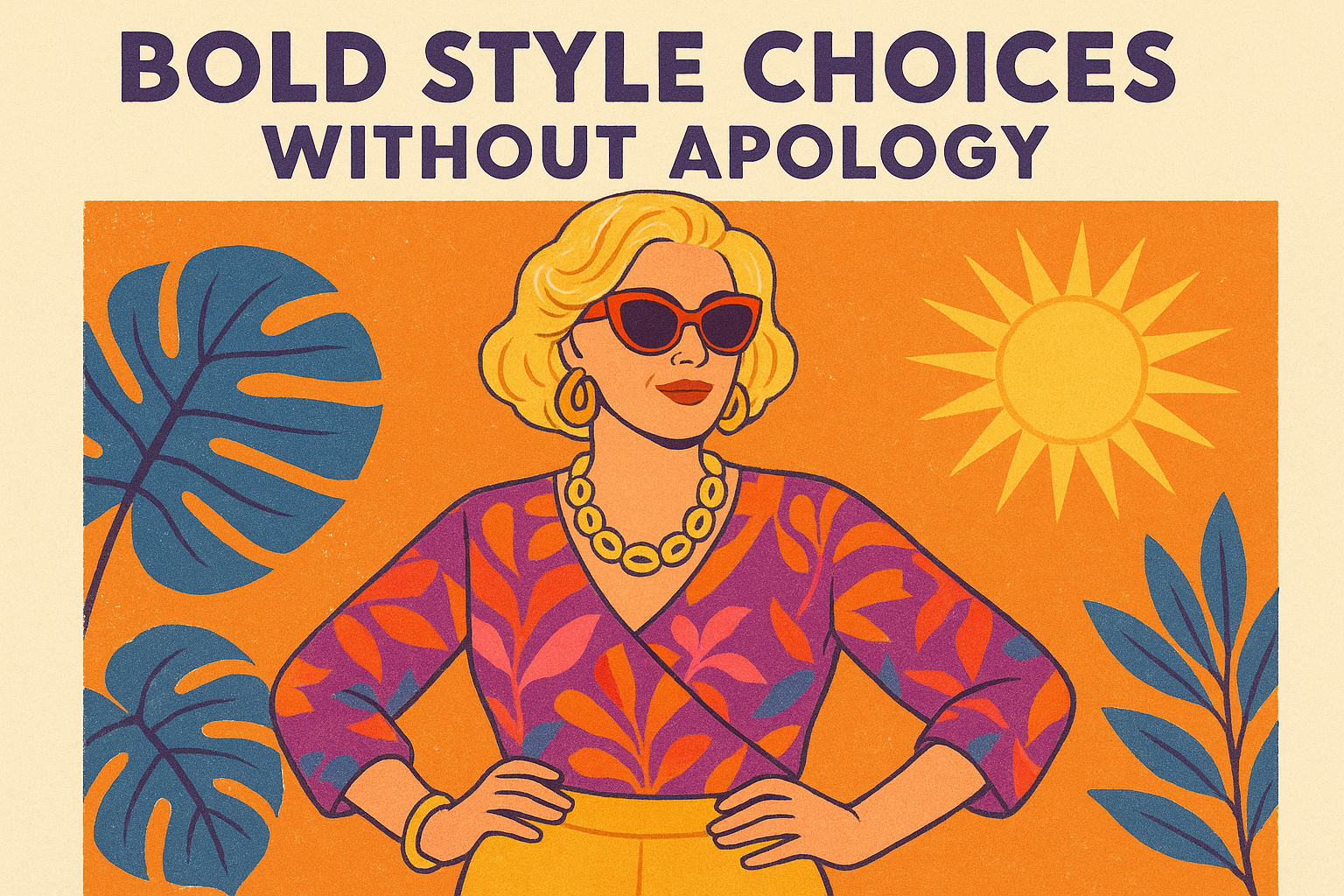
Physical spaces embrace this same energy. Think rich textures, comfortable furniture, and decorative choices that prioritize how a space feels over how it photographs. You might mix vintage finds with modern pieces, creating environments that tell stories rather than following minimalist design rules.
Confidence rooted in experience
Beyond aesthetics, the golden girl era vibe centers on speaking your mind directly and caring less about managing others' perceptions. You've lived enough to know what matters and what doesn't, which translates into boundary-setting and honest communication that younger versions of yourself struggled to master.
"The vibe is about choosing comfort and authenticity over performative youth."
This mindset shows up in how you prioritize your time and energy. You skip events that drain you, invest in friendships that sustain you, and build a life around what actually brings joy rather than what you think should make you happy.
What it is not and common misconceptions
The golden girl era gets misunderstood in ways that flatten its actual meaning into something either dismissive or overly specific. People assume it's about giving up, settling, or accepting decline when it actually represents the opposite. Understanding what this movement isn't helps you recognize whether you're truly embracing it or just projecting outdated ideas about aging onto a modern cultural shift.
Not about giving up on life or romance
Some people wrongly assume entering your golden girl era means you've abandoned dating or romantic relationships entirely. The actual concept leaves room for romance but refuses to center your entire identity around finding or keeping a partner. You might date casually, pursue serious relationships, or choose to be single, but none of these decisions define whether you're living this era. The distinction lies in prioritizing friendships as your foundation rather than treating them as placeholders until romance arrives.
Not an aesthetic or age requirement
You don't need to be a certain age, wear specific styles, or match a particular look to claim this identity. Younger people in their twenties can embrace the values and lifestyle while someone in their sixties might reject them entirely. This isn't about lanai furniture or cheesecake obsessions but about the underlying approach to friendship, independence, and self-expression that transcends generational boundaries.
"The golden girl era is a mindset, not a demographic or dress code."
Similarly, this movement isn't about dressing older or adopting frumpy fashion. The bold jewelry and vibrant style associated with it actually push against age-appropriate restrictions rather than conforming to them.
How to embrace your Golden Girl era
You enter your golden girl era by making intentional choices about friendship, style, and how you spend your time rather than following a prescribed path. This shift starts with examining where you're investing energy and whether those investments align with what actually sustains you. You don't need to move in with roommates tomorrow or completely overhaul your wardrobe, but you do need to prioritize connections and authenticity over keeping up appearances.
Build your chosen family structure
Start by identifying the two or three friendships that truly anchor your life, then invest in them with the same energy you'd give a romantic relationship. You schedule regular time together, have difficult conversations when needed, and show up during emergencies. Consider discussing long-term plans with these friends, whether that means coordinating where you'll live in ten years or simply committing to weekly dinners that become non-negotiable.
"Your golden girl era begins when you treat friendships as infrastructure rather than accessories to your main life."
These relationships require maintenance. You create shared experiences and rituals that build history together, from annual trips to standing Tuesday night game sessions that no one cancels without genuine reason.
Wear what makes you feel powerful
Your style choices signal this shift when you select statement jewelry and bold colors that reflect personality over trends. Layer gold pieces that feel substantial, choose prints you genuinely love, and stop editing yourself to look appropriately subdued. At Ezra Gems, customers living their golden girl era gravitate toward pieces they'll wear constantly rather than saving special items for occasions that never come.
Takeaways to remember
The golden girl era represents a fundamental shift in how you approach aging, friendship, and personal style. You embrace growing older by prioritizing meaningful connections over performative youth, choosing bold aesthetic expressions that reflect who you actually are, and building living arrangements centered on community rather than isolation. This movement rejects the idea that your best years end at a certain age, offering instead a blueprint for living authentically at every stage.
Your version of this era depends on intentional daily choices rather than dramatic life overhauls. You invest in friendships with the same energy you'd give romantic relationships, wear statement pieces that make you feel powerful, and create spaces that prioritize comfort over trends. The jewelry you choose, the time you spend, and the boundaries you set all signal whether you're truly living this lifestyle or just admiring it from a distance. Browse our statement jewelry collections to find pieces that help you express the confidence and boldness this era demands.
Leave a comment