


From the deep forest hues of emerald to the soft, minty tones of prehnite, green gemstones offer one of the most diverse color palettes in jewelry. Whether you're drawn to their natural beauty, curious about their symbolic meanings, or searching for the perfect piece to add to your collection, understanding what's out there helps you make a smarter choice.
At Ezra Gems, we're passionate about helping you find jewelry that fits your style and stands up to everyday wear. That's why we put together this guide, to give you the knowledge you need before you shop. You'll learn about 12 stunning green gemstones, from well-known favorites to hidden gems worth discovering, along with their prices, meanings, and how to care for them.
By the end, you'll know exactly which green stone matches your aesthetic, budget, and lifestyle. Let's start with the classics and work our way through some lesser-known beauties you might not have considered.
1. Emerald
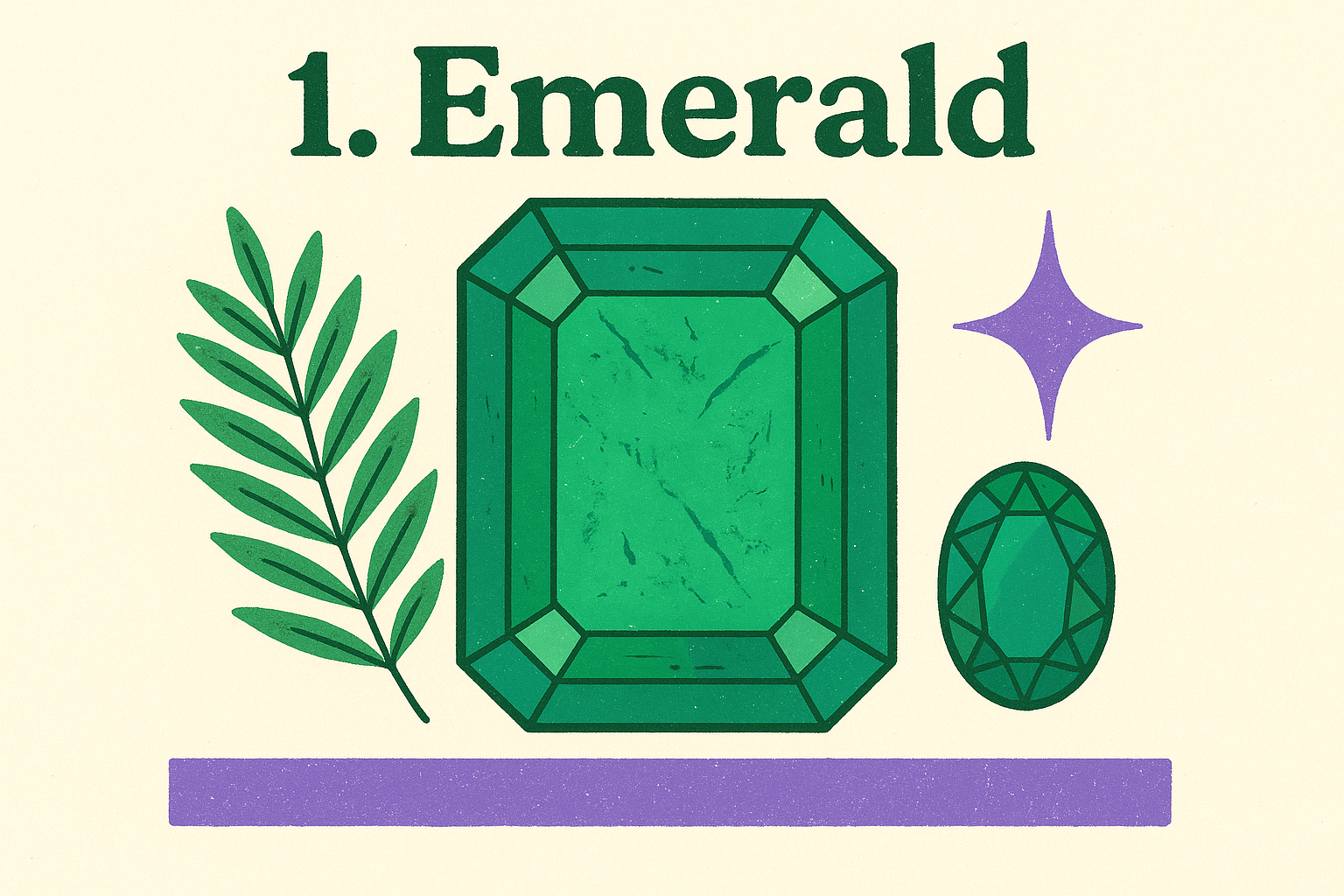
When you think of green gemstones, emerald probably comes to mind first. This precious stone has captivated people for thousands of years, and it still ranks among the most sought-after gems in the world. You'll recognize its rich, vibrant green instantly, but there's more to emerald than just its color.
What it is and how to recognize it
Emerald belongs to the beryl family of minerals, the same group that includes aquamarine and morganite. What makes it green is chromium and vanadium, trace elements that give emerald its signature hue. You can identify an emerald by its deep, saturated green and the presence of inclusions, which gemologists call "jardin" (French for garden). These internal characteristics are so common that a flawless emerald is extremely rare and commands a premium.
Green shades and what they signal
Emeralds range from bluish-green to yellowish-green, but the most valuable stones display a pure, vivid green with no visible color zoning. Lighter stones might lack intensity, while darker ones can appear almost black in low light. The most prized emeralds come from Colombia, known for their warm, slightly bluish-green tones, while Zambian emeralds tend to show cooler, darker greens with a subtle blue undertone.
Meaning and symbolism
People have associated emerald with renewal, growth, and prosperity for centuries. Ancient Egyptians believed the stone represented fertility and rebirth, while Roman nobility wore emeralds to signal wealth and status. Today, you'll find emerald as the birthstone for May and the traditional gift for 20th and 35th wedding anniversaries.
"Emerald's connection to spring and new beginnings makes it a meaningful choice for anyone starting a fresh chapter."
Price and what drives cost
Expect to pay anywhere from $200 to over $10,000 per carat depending on quality. Color saturation and clarity drive the price more than size. A one-carat emerald with exceptional color can cost more than a three-carat stone with visible inclusions or a washed-out green. Origin matters too, with Colombian emeralds typically commanding higher prices than stones from other regions.
Durability and daily wear
Emeralds score 7.5 to 8 on the Mohs hardness scale, making them moderately durable but prone to chipping due to their internal fractures. You should avoid wearing emerald rings during activities like gardening or weightlifting. Earrings and pendants work better for everyday wear since they face less impact.
Care tips and cleaning
Clean your emerald jewelry with lukewarm water and mild soap, using a soft cloth or brush. Never use ultrasonic cleaners or steamers, as they can damage the stone or loosen oils used to enhance clarity. Store emeralds separately from harder gems like diamonds to prevent scratching, and have your settings checked annually to ensure the stone stays secure.
2. Jade
Jade stands apart from other green gemstones because it refers to two distinct minerals that share a similar appearance. You'll find jade in everything from carved ornaments to modern jewelry, and its cultural significance runs deeper than almost any other stone. Understanding what you're buying requires knowing which type of jade you're looking at.
What it is and how to recognize it
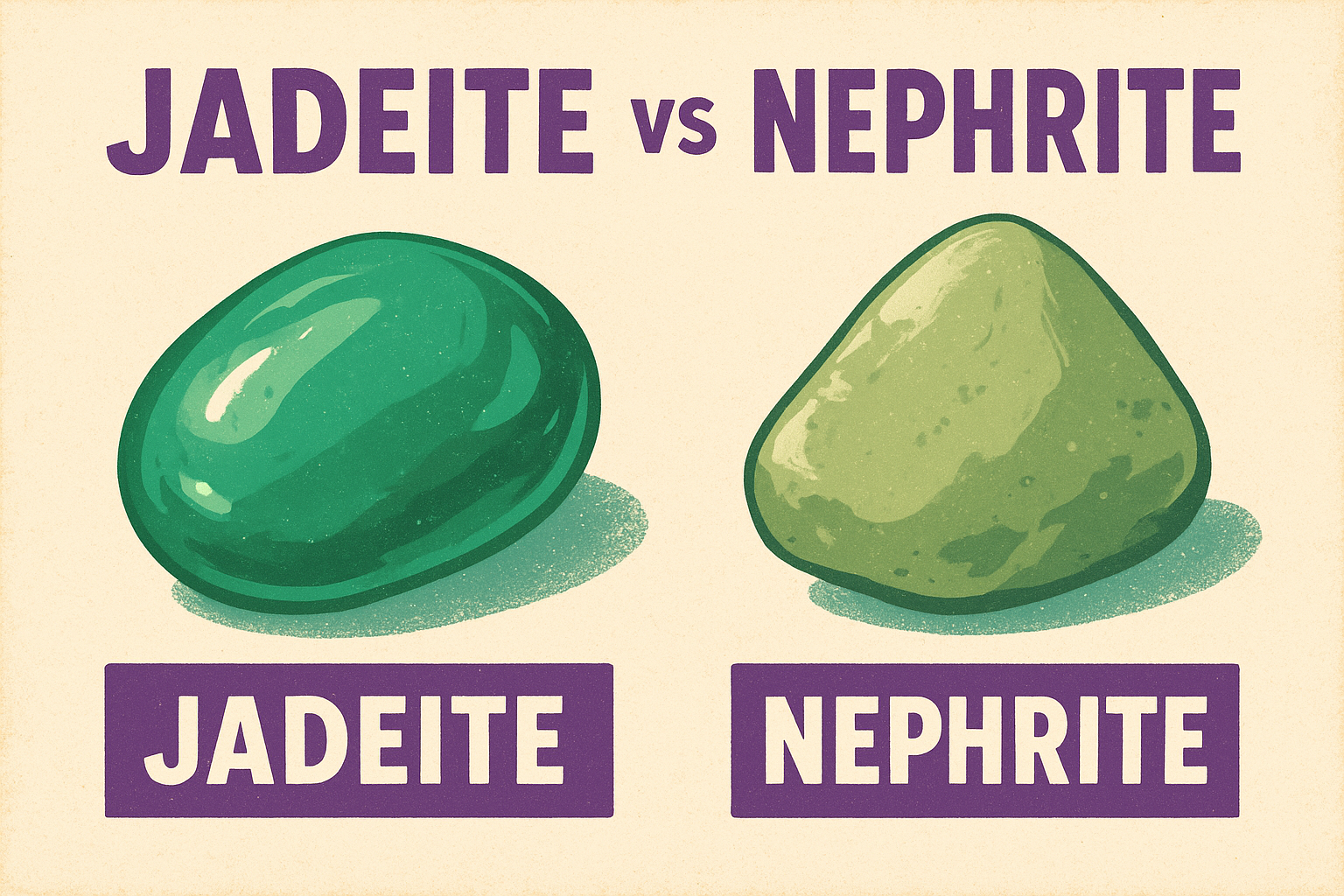
Jade describes two separate minerals: jadeite and nephrite. Both appear in shades of green, but you can spot jade by its smooth, waxy luster and often translucent quality. The stone feels cool to the touch and heavier than you might expect for its size. You'll notice jade's color ranges from pale, almost white-green to deep forest tones.
Jadeite vs nephrite
Jadeite commands higher prices and displays more vibrant greens, including the prized imperial jade with its intense, translucent emerald hue. Nephrite appears in softer, creamier greens and feels slightly greasier to the touch. Jadeite scores 6.5 to 7 on the Mohs scale, while nephrite rates 6 to 6.5, though both resist breaking due to their interlocking crystal structure.
Meaning and symbolism
Chinese culture considers jade the stone of heaven, representing wisdom, purity, and protection. You'll find jade symbolizes harmony and balance across Asian traditions, where people pass down jade jewelry through generations as family heirlooms.
"Jade's toughness made it one of humanity's first tool materials, valued for both practical use and spiritual meaning."
Price and what drives cost
Nephrite typically costs $10 to $100 per carat, while fine jadeite ranges from $100 to over $1,000 per carat. Imperial jade can reach tens of thousands per carat. Color intensity, translucency, and lack of blemishes drive value.
Durability and daily wear
Jade's interlocking crystal structure makes it incredibly tough, more resistant to breaking than most gems. You can wear jade daily in any jewelry setting without worry.
Care tips and cleaning
Wash jade with warm water and mild soap, then dry with a soft cloth. Avoid harsh chemicals and prolonged sun exposure, which can fade treated jade.
3. Green sapphire
Most people associate sapphire with blue, but this corundum family member also appears in stunning green shades that rival emerald's beauty at a lower price point. Green sapphires offer you a rare combination of durability and elegance, making them smart choices for engagement rings and everyday jewelry pieces.
What it is and how to recognize it
Green sapphire gets its color from iron and traces of chromium within the corundum crystal structure. You'll recognize it by its glassy luster and high clarity compared to emerald, with fewer visible inclusions. The stone typically shows good transparency and a brighter, more cheerful green than jade's subdued tones.
Green shades and common undertones
These sapphires range from light mint to deep forest green, often displaying yellow or blue undertones. Yellowish-green stones appear warmer and more vibrant, while bluish-green sapphires lean cooler and darker. Pure green sapphires without secondary colors command the highest prices, though most stones show at least slight undertones.
Meaning and symbolism
Green sapphire represents fidelity, trust, and growth. People choose this stone to symbolize new beginnings and lasting commitments, making it popular for alternative engagement rings.
Price and what drives cost
Expect to pay $400 to $2,000 per carat for quality green sapphires. Color saturation and origin determine value, with Madagascar and Montana producing sought-after stones.
"Green sapphires give you sapphire's legendary toughness without the premium price of top-grade blue stones."
Durability and daily wear
Sapphire scores 9 on the Mohs hardness scale, second only to diamond. You can wear green sapphire jewelry every day without fear of scratching or chipping.
Care tips and cleaning
Clean your green sapphire with warm soapy water and a soft brush. Ultrasonic cleaners work safely on untreated stones, but avoid them if your sapphire has fracture fillings.
4. Peridot
Peridot brings a bright, lime-green sparkle that you won't find in other green gemstones. This volcanic gem forms deep in the earth's mantle and arrives at the surface through volcanic activity, giving it a unique origin story. You'll appreciate peridot's cheerful color and affordable price point, making it accessible for anyone building a jewelry collection.
What it is and how to recognize it
Peridot is the gem-quality variety of olivine, a mineral rich in iron and magnesium. You can spot this stone by its distinctive yellow-green glow and high clarity, as quality peridots rarely show visible inclusions. The gem displays excellent transparency and a glassy luster that catches light beautifully in any setting.
Typical color range and lookalikes
This stone ranges from yellow-green to olive-green, but never appears in pure green like emerald. Most peridots show a golden undertone that sets them apart from other green gems. People sometimes confuse lighter peridots with green tourmaline or chrysoprase, but peridot's yellow cast makes it distinctive once you know what to look for.
Meaning and symbolism
Ancient Egyptians called peridot the gem of the sun, believing it protected against nightmares and evil spirits. Today, you'll find it represents renewal and new possibilities, serving as August's birthstone.
"Peridot's volcanic origins made ancient cultures see it as a stone born from fire and transformation."
Price and what drives cost
Quality peridot costs $50 to $200 per carat, making it one of the more affordable options. Color saturation and size drive value, with larger stones over 5 carats commanding premium prices.
Durability and daily wear
Peridot scores 6.5 to 7 on the Mohs scale, suitable for earrings and pendants but risky in rings that face constant impact. Avoid exposing peridot to sudden temperature changes, which can cause fractures.
Care tips and cleaning
Clean peridot with warm water and mild soap, avoiding ultrasonic cleaners and harsh chemicals. Store your pieces away from harder gems to prevent scratching.
5. Malachite
Among green gemstones, malachite stands out with its distinctive banding patterns that look like ripples frozen in stone. This copper carbonate mineral creates dramatic swirls of light and dark green that make each piece unique. You'll find malachite primarily used in jewelry as cabochons, beads, and decorative inlays rather than faceted cuts.
What it is and how to recognize it
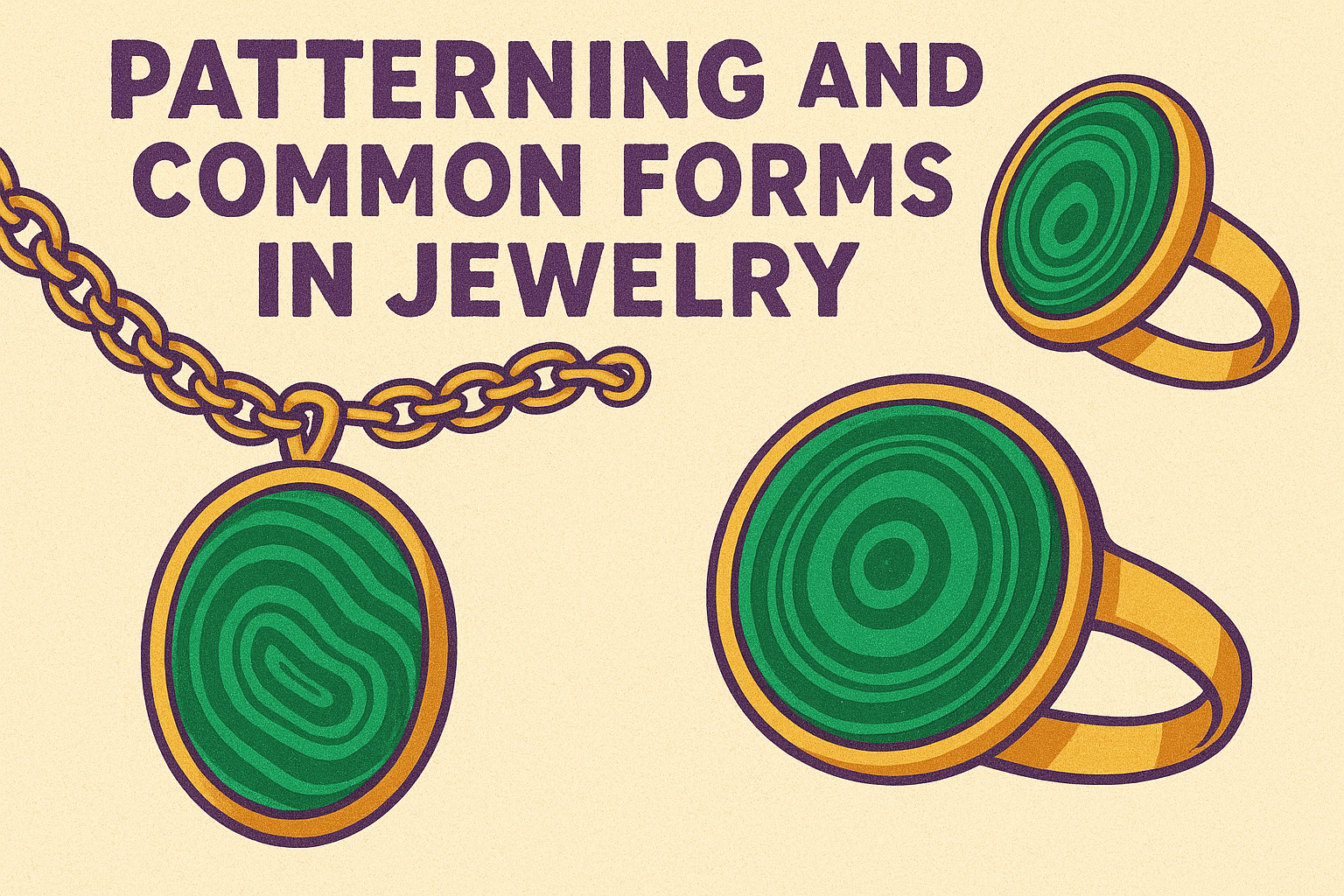
Malachite forms when copper-rich solutions interact with limestone, creating layers that produce the stone's signature patterns. You can identify this gem by its opaque quality and concentric bands that range from pale mint to deep forest green. The stone displays a silky to dull luster and feels smooth when polished, with patterns that never repeat exactly the same way twice.
Patterning and common forms in jewelry
The swirling bands and bull's-eye patterns make malachite instantly recognizable. Jewelers favor cabochon cuts that showcase the natural layering, while flat pieces work well for inlays and pendants. You'll see this stone in statement necklaces, bold rings, and decorative brooches where the dramatic patterns take center stage.
Meaning and symbolism
Ancient Egyptians ground malachite into powder for eye makeup and saw it as a stone of protection and transformation. You'll find it represents growth and positive change, with many believing it absorbs negative energy.
"Malachite's connection to copper mining made it a symbol of wealth and power in ancient civilizations."
Price and what drives cost
Expect to pay $5 to $50 per piece depending on size and pattern quality. Stones with clear, dramatic banding command higher prices than muddy or inconsistent patterns.
Durability and daily wear
Malachite scores 3.5 to 4 on the Mohs scale, making it soft and easily scratched. Stick to earrings, pendants, and brooches rather than rings that face constant impact.
Care tips and cleaning
Clean malachite with plain water and a soft cloth only. Avoid acids, chemicals, and ultrasonic cleaners, which can damage the stone's surface and dull its polish.
6. Chrysoprase
Chrysoprase delivers an apple-green color that looks softer and more opaque than other green gemstones. This chalcedony variety gets its distinctive hue from nickel, creating a minty freshness that works beautifully in both modern and vintage jewelry designs. You'll notice chrysoprase lacks the sparkle of faceted stones, but its smooth, translucent quality offers a different kind of appeal.
What it is and how to recognize it
Chrysoprase belongs to the quartz family, specifically the microcrystalline form called chalcedony. You can identify this stone by its waxy luster and uniform color that appears milky rather than transparent. The gem shows no visible crystal structure and feels smooth to the touch, with colors that remain consistent throughout the stone rather than showing bands or patterns.
Color range and common confusion points
This stone ranges from pale mint to deep apple-green, with the most valued pieces displaying a rich, saturated hue. People often confuse chrysoprase with jade, but you can tell them apart by texture, chrysoprase shows a waxier surface and lighter weight. Some sellers mislabel dyed chalcedony as chrysoprase, so buy from trusted sources.
Meaning and symbolism
Ancient Greeks and Romans associated chrysoprase with joy, optimism, and emotional balance. You'll find it represents new beginnings and fresh perspectives, making it popular for people seeking positive change.
"Chrysoprase's gentle green made it a favorite of Alexander the Great, who supposedly wore it into battle for protection."
Price and what drives cost
Quality chrysoprase costs $20 to $100 per carat, with color saturation and translucency determining value. Australian material commands premium prices due to its superior color.
Durability and daily wear
Chrysoprase scores 6.5 to 7 on the Mohs scale, suitable for most jewelry types. Extended sun exposure can fade the color, so remove your pieces before sunbathing.
Care tips and cleaning
Clean chrysoprase with lukewarm water and mild soap, avoiding harsh chemicals. Store your pieces away from direct sunlight to preserve their color.
7. Green aventurine
Green aventurine offers a shimmering surface that catches light differently than most green gemstones. This quartz variety provides an affordable option with a unique visual effect that makes it popular for beads, cabochons, and carved pieces. You'll appreciate its soft green color and budget-friendly price, making it accessible whether you're new to gemstone jewelry or expanding your collection.
What it is and how to recognize it
Aventurine belongs to the quartz family and gets its color from fuchsite inclusions, tiny particles of mica that also create the stone's signature shimmer. You can identify this gem by its translucent to opaque quality and the glittery effect that appears to move across the surface when you tilt it. The stone displays a grainy texture under magnification and feels smooth when polished.
Sparkle effect and color range
The aventurescence effect creates a sparkling appearance that sets this stone apart from similar green gems. Colors range from pale mint to deep forest green, though most pieces show a medium green tone. Stones with more mica inclusions display stronger shimmer but appear less translucent.
Meaning and symbolism
People consider green aventurine a stone of opportunity and prosperity, often calling it the gambler's stone. You'll find it represents luck and new possibilities in various spiritual traditions.
"Aventurine's connection to chance and fortune made it a favorite talisman among gold rush miners and card players."
Price and what drives cost
Expect to pay $1 to $10 per piece for most aventurine jewelry. Color saturation and sparkle intensity determine value within this affordable range.
Durability and daily wear
Aventurine scores 6.5 to 7 on the Mohs scale, suitable for most jewelry applications though rings need protective settings.
Care tips and cleaning
Clean aventurine with warm soapy water and a soft cloth. Avoid ultrasonic cleaners that might loosen inclusions.
8. Prasiolite
Prasiolite brings a soft, pale green to the family of green gemstones, offering a subtle alternative to bolder options like emerald or peridot. This heat-treated amethyst shows a delicate mint or sage tone that works beautifully in minimalist jewelry designs. You'll find prasiolite less common than other quartz varieties, making it an interesting choice when you want something different from typical green gems.
What it is and how to recognize it
Prasiolite belongs to the quartz family and gets its green color through heat treatment of amethyst or yellowish quartz. You can identify this stone by its pale green hue and excellent clarity, with most pieces showing no visible inclusions. The gem displays a glassy luster and good transparency, appearing lighter and more delicate than most green stones.
Natural vs treated prasiolite
Natural prasiolite occurs so rarely that nearly all stones on the market come from heat-treated amethyst. You'll find natural material only in a few locations, primarily Brazil and Poland, but it represents less than one percent of available prasiolite. Treated stones show the same physical properties and durability as natural ones, making the distinction matter mainly for collectors.
"Heat treatment permanently transforms amethyst's purple into prasiolite's green, creating a stable color that won't fade or change."
Meaning and symbolism
People associate prasiolite with clarity, self-expression, and emotional balance. You'll find it represents a connection between heart and mind, making it popular for those seeking inner peace.
Price and what drives cost
Expect to pay $10 to $50 per carat for quality prasiolite. Color intensity and size drive value, with larger stones over 10 carats becoming harder to source.
Durability and daily wear
Prasiolite scores 7 on the Mohs scale, making it suitable for all jewelry types with reasonable care.
Care tips and cleaning
Clean prasiolite with warm soapy water and a soft brush. Avoid prolonged sun exposure, which can fade the color over time.
9. Turquoise
Turquoise straddles the line between blue and green gemstones, with some pieces leaning heavily toward mint or lime tones. This copper aluminum phosphate mineral has adorned jewelry for thousands of years, from ancient Egyptian burial masks to modern southwestern designs. You'll recognize turquoise by its opaque quality and often visible matrix patterns that add character to each stone.
What it is and how to recognize it
Turquoise forms in arid climates where groundwater reacts with copper and aluminum deposits. You can identify this stone by its waxy to dull luster and opaque appearance, often showing brown or black veining from the surrounding rock matrix. The gem displays no transparency and feels relatively light compared to denser stones.
Blue-green vs green turquoise
Colors range from sky blue to apple green, with shade depending on iron and copper content. Green turquoise contains more iron than blue varieties, creating shades from mint to deep teal. Collectors often prefer blue stones, but green turquoise offers unique appeal and historically held equal value in Native American cultures.
Meaning and symbolism
Ancient cultures considered turquoise a protective stone that guarded against harm and brought good fortune. You'll find it represents friendship, healing, and safe travels across various traditions.
"Turquoise's porous nature made ancient peoples believe it absorbed negative energy, changing color to warn its wearer of danger."
Price and what drives cost
Expect to pay $5 to $300 per carat depending on quality. Natural, untreated stones with minimal matrix command premium prices, while stabilized turquoise costs less.
Durability and daily wear
Turquoise scores 5 to 6 on the Mohs scale, making it vulnerable to scratches and damage from impact or chemicals.
Care tips and cleaning
Clean turquoise with plain water and a soft cloth only. Avoid soap, chemicals, and prolonged water exposure, which can discolor the stone.
10. Chrome diopside
Chrome diopside delivers a vivid, emerald-like green that rivals more expensive green gemstones at a fraction of the cost. This chromium-rich variety of diopside comes primarily from Siberian deposits and creates stunning jewelry pieces with intense color saturation. You'll find chrome diopside offers excellent value when you want that deep green look without emerald's premium price tag.
What it is and how to recognize it
Chrome diopside belongs to the pyroxene mineral group and gets its striking color from chromium, the same element that colors emerald. You can identify this stone by its intense forest green hue and high transparency, with most pieces showing good clarity. The gem displays a glassy luster and strong color that appears almost electric in natural light, making it stand out from softer green stones.
Color, clarity, and common sizes
This stone shows a pure, saturated green without the yellow or blue undertones found in other gems. Clarity tends to be high in smaller stones, but inclusions become more common above 2 carats. Most chrome diopside jewelry features stones under 2 carats because larger pieces with good clarity remain rare and expensive.
"Chrome diopside's brilliant green comes from the same chromium that creates emerald's color, but crystal structure differences keep prices accessible."
Meaning and symbolism
People associate chrome diopside with renewal, creativity, and emotional healing. You'll find it represents connection to nature and personal growth.
Price and what drives cost
Expect to pay $50 to $200 per carat for quality stones. Color intensity and clarity drive value, with Russian material commanding premium prices.
Durability and daily wear
Chrome diopside scores 5.5 to 6 on the Mohs scale, making it best for earrings, pendants, and occasional-wear rings with protective settings.
Care tips and cleaning
Clean chrome diopside with warm soapy water and a soft cloth. Avoid ultrasonic cleaners and protect from impacts.
11. Green garnet
Green garnet surprises people who only know this gem family in red. These rare green varieties offer brilliance and fire that compete with diamond, making them standouts among green gemstones. You'll find two main types, tsavorite and demantoid, each with distinct characteristics that appeal to different tastes and budgets.
What it is and how to recognize it
Green garnets belong to the garnet mineral group and get their color from vanadium or chromium. You can identify these stones by their exceptional brilliance and high refractive index, which creates more sparkle than most colored gems. The stones display excellent transparency and a glassy luster that makes them appear alive with light, showing none of the sleepiness you might see in darker garnets.
Tsavorite vs demantoid and how they differ
Tsavorite shows a pure, vivid green similar to emerald and comes primarily from East Africa, while demantoid displays a yellowish-green with more fire than any other garnet variety. Demantoid often contains distinctive horsetail inclusions that collectors prize, while tsavorite typically shows cleaner clarity.
Meaning and symbolism
People associate green garnet with abundance, vitality, and personal power. You'll find it represents prosperity and success in various spiritual traditions.
"Green garnet's rarity and brilliance made it a favorite of Russian tsars, particularly demantoid from the Ural Mountains."
Price and what drives cost
Expect to pay $500 to $3,000 per carat for tsavorite and $1,000 to $5,000 per carat for quality demantoid. Color saturation and clarity drive value.
Durability and daily wear
Green garnet scores 6.5 to 7.5 on the Mohs scale, suitable for most jewelry with protective settings for rings.
Care tips and cleaning
Clean green garnet with warm soapy water and a soft brush. The stones tolerate ultrasonic cleaners well.
Your next step
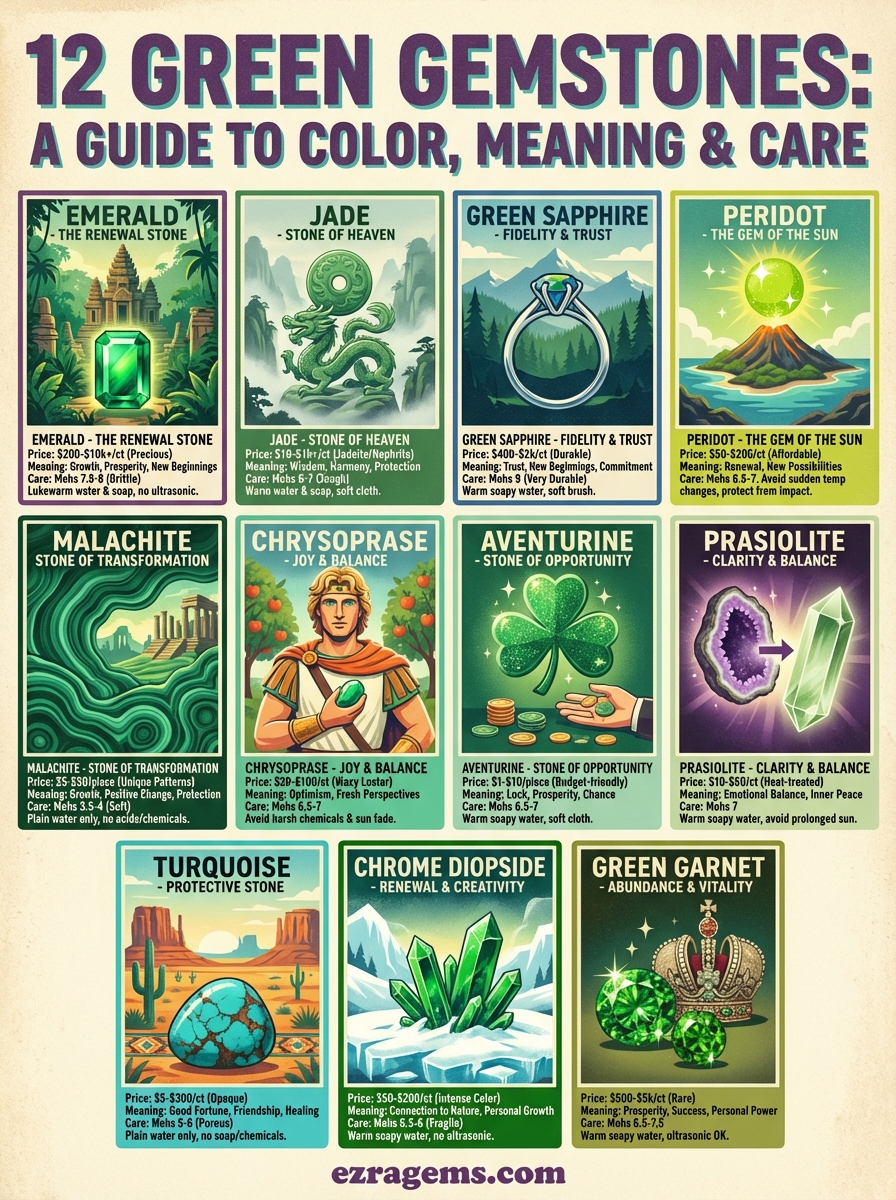
You now know the names, meanings, and care requirements for 12 stunning green gemstones, from affordable options like aventurine to premium choices like tsavorite garnet. Each stone brings its own character to jewelry, whether you prefer emerald's rich depth, jade's smooth elegance, or peridot's sunny sparkle. Understanding these differences helps you choose pieces that match your style and fit your maintenance routine.
When you're ready to add green gemstones to your collection, focus on what matters most to you. Consider your budget, the jewelry type you'll wear most often, and how much care you want to invest. Some stones work perfectly for daily wear, while others shine best in special-occasion pieces.
At Ezra Gems, we design jewelry that stands up to real life without sacrificing style. Browse our collection of necklaces to find pieces that bring color and personality to your everyday look, with the durability you need and the craftsmanship you deserve.
Leave a comment