


Finding beautiful rings that don't leave your fingers red, itchy, or irritated can feel like a frustrating treasure hunt. If you've ever loved a piece of jewelry only to discover it causes an uncomfortable reaction, you're not alone. That's exactly why hypoallergenic gold rings for women have become a go-to solution for anyone with sensitive skin who refuses to compromise on style.
The culprit behind most jewelry reactions? Nickel, a metal commonly mixed into alloys to reduce costs. Even rings marketed as "gold" can contain enough nickel to trigger contact dermatitis, leaving you with rashes or discoloration. Understanding which gold purities are truly safe and what "hypoallergenic" actually means is the first step toward building a collection you can wear without worry.
This guide breaks down everything you need to know about choosing nickel-free gold rings, from karat levels to plating quality. At Ezra Gems, we design jewelry meant for everyday wear, pieces that won't tarnish, turn your skin green, or cause reactions. Whether you're shopping for yourself or searching for the perfect gift, you'll walk away knowing exactly what to look for in rings that are as kind to your skin as they are stunning on your hand.
What makes a gold ring hypoallergenic
A gold ring becomes hypoallergenic when it contains minimal or zero nickel and relies on skin-safe metals in its alloy composition. Pure gold alone is too soft for everyday jewelry, so manufacturers mix it with other metals to increase durability. The difference between a ring that irritates your skin and one you can wear comfortably for years comes down to which metals make up that alloy blend. Rings labeled hypoallergenic typically use palladium, silver, or copper instead of nickel, creating a barrier between your skin and potential allergens.
The role of gold purity in skin reactions
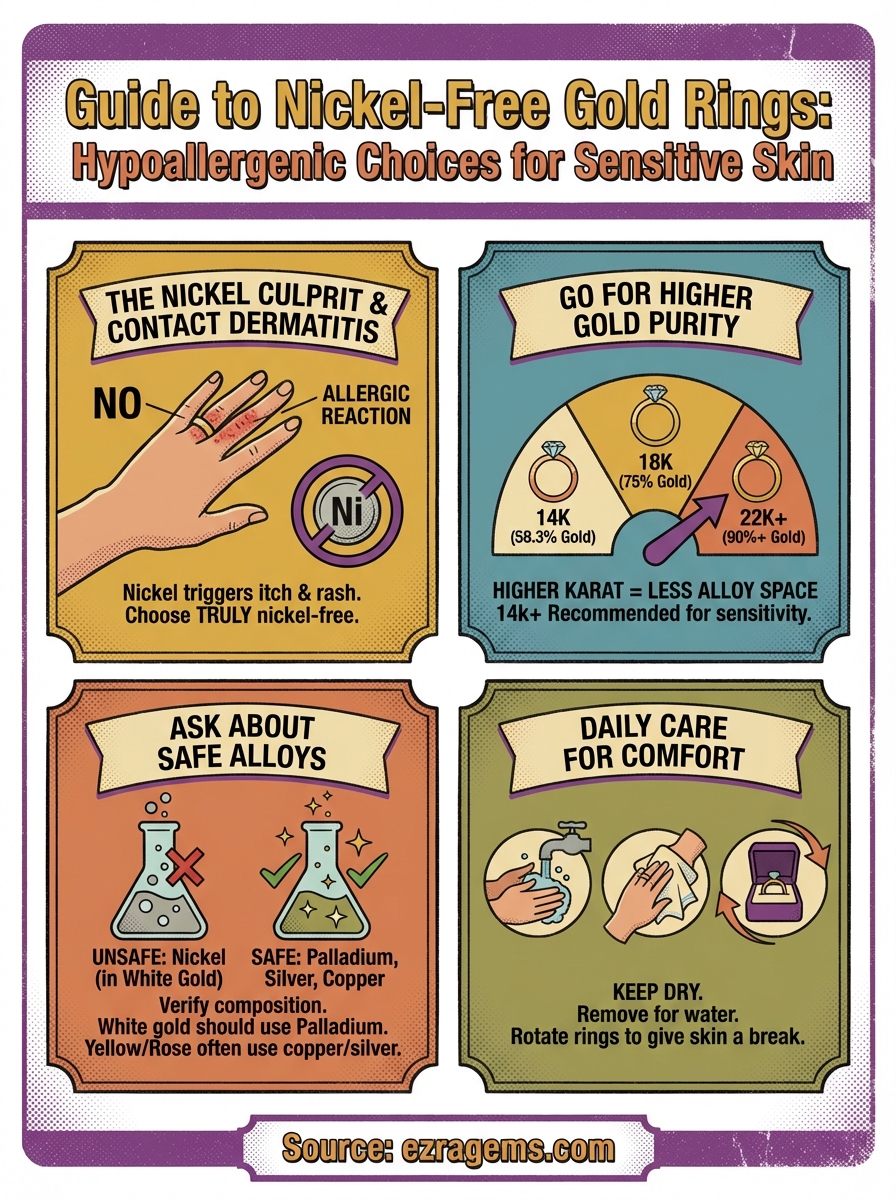
Higher karat gold automatically reduces your exposure to problematic metals because it contains more pure gold and fewer alloy materials. An 18k gold ring consists of 75% gold and only 25% other metals, while 14k gold drops to 58.3% gold content. That extra percentage matters significantly when you have sensitive skin. The more gold in your ring, the less room there is for nickel or other irritants to sneak into the formula.
You'll find that 10k gold, though more affordable, contains only 41.7% gold and leaves manufacturers with more space to add cheaper metals like nickel. This explains why hypoallergenic gold rings for women typically start at 14k and climb higher for those with severe sensitivities. Jewelers who prioritize skin safety often choose 18k or even 22k gold for their pieces, accepting the higher cost in exchange for guaranteed comfort.
The higher the karat, the lower your risk of allergic reactions, making gold purity your first line of defense against jewelry irritation.
Metal alloys that trigger sensitivity
Nickel stands out as the most common allergen in jewelry, but it's not the only metal that can cause problems. Some people react to copper, zinc, or even certain forms of silver when mixed into gold alloys. White gold poses the biggest challenge because manufacturers traditionally use nickel to achieve that silvery appearance. Palladium-white gold offers a safer alternative, using palladium instead of nickel to create the same color without the allergic response.
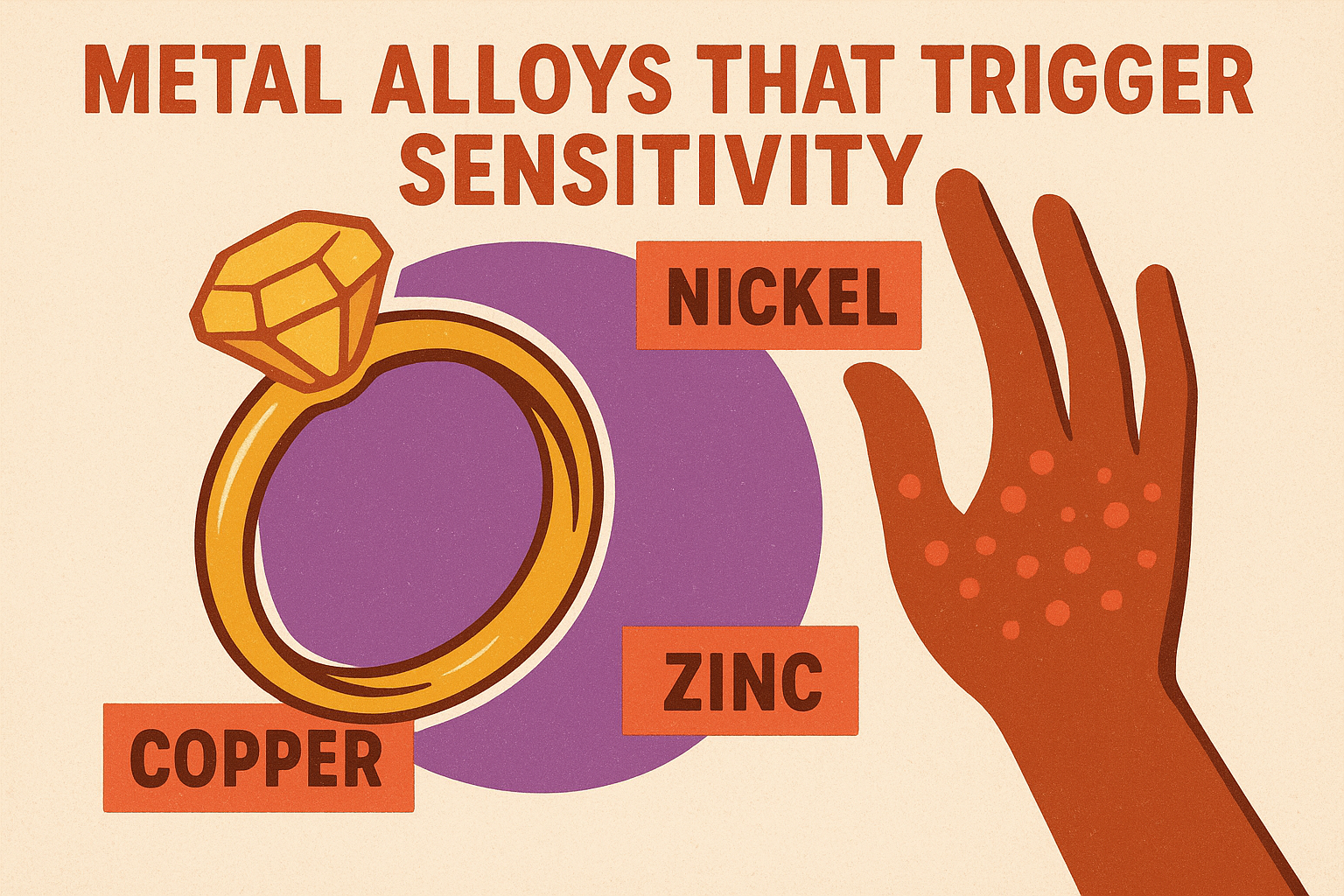
Yellow and rose gold typically rely on copper and silver in their alloy mixtures, making them naturally safer choices for sensitive skin. Rose gold gets its pink tone from copper content, which rarely triggers the intense reactions that nickel causes. When shopping, you want to specifically ask about the alloy composition rather than just accepting "gold" at face value.
What "hypoallergenic" actually means
The term "hypoallergenic" lacks strict regulation in the jewelry industry, which means brands can use it without meeting specific nickel-free standards. A truly hypoallergenic ring should contain less than 0.05% nickel, a threshold established by European regulations that many U.S. jewelers have adopted voluntarily. You need to verify these claims by asking for written documentation or certifications that confirm the nickel content.
Reputable jewelers will provide detailed information about their alloy compositions and can often show lab testing results. At Ezra Gems, our gold-plated pieces use thick layers over a base metal selected specifically for sensitive skin, ensuring you get the look of solid gold without reactions. Quality hypoallergenic jewelry combines smart material choices with manufacturing processes that prevent cross-contamination from nickel during production.
Why nickel causes ring allergies
Nickel triggers an immune response called contact dermatitis, which occurs when your body mistakenly identifies nickel ions as a threat. When jewelry containing nickel touches your skin, moisture from sweat or water dissolves tiny amounts of the metal. These dissolved nickel ions penetrate your skin's outer layer and bind with proteins underneath, creating a new compound your immune system doesn't recognize. Your body launches a defensive attack against this perceived invader, leading to the redness, itching, and blistering you experience around ring bands.
The reaction doesn't happen immediately after your first exposure to nickel. Your immune system needs time to become sensitized to the metal, typically requiring multiple exposures before developing the allergic response. Once sensitized, however, you remain allergic for life. This explains why you might wear nickel-containing rings for months or years without issues, only to suddenly develop symptoms that never disappear. That's exactly why investing in hypoallergenic gold rings for women becomes necessary once you discover your sensitivity.
Once your body develops nickel sensitivity, the reaction persists permanently, making nickel-free jewelry the only long-term solution.
How your immune system reacts to nickel
Your body's T-cells identify nickel-protein complexes as foreign substances and flood the area with inflammatory chemicals. These chemicals cause blood vessels to dilate and become permeable, allowing immune cells to rush to the site of contact. The inflammation manifests as visible symptoms: swelling, warmth, redness, and intense itching that can spread beyond the ring's contact area. Scratching makes everything worse by breaking the skin barrier and potentially introducing bacteria.
Why rings trap nickel against your skin
Rings create a sealed environment between metal and skin, which intensifies nickel exposure significantly. Sweat, soap residue, and natural oils accumulate under the band, keeping your skin constantly moist. This moisture acts as a solvent that continuously dissolves nickel from the alloy, creating a concentrated dose of allergen directly against your finger. The enclosed space prevents evaporation, maintaining the perfect conditions for nickel ions to penetrate deeper into your skin layers and trigger stronger reactions than other jewelry pieces.
How to choose nickel-free gold rings
Choosing truly nickel-free gold requires more than reading product descriptions. You need to verify specific details about the ring's composition and the seller's commitment to allergen-free jewelry. Start by examining the karat marking stamped inside the band, which tells you the gold purity level and gives you the first clue about potential allergen content. Beyond this basic check, investigate the exact metals used in the alloy blend and whether the jeweler provides documentation proving their nickel-free claims.
Check for karat markings and certifications
Every legitimate gold ring displays a karat stamp (10k, 14k, 18k, etc.) inside the band, usually near the sizing information. This stamp confirms the gold content and serves as your baseline for evaluating safety. You should seek rings stamped 14k or higher when you have nickel sensitivity, as lower karats leave more room for problematic alloy metals. Jewelers who produce hypoallergenic gold rings for women often provide additional certifications or testing documentation that confirms nickel content below 0.05%.
Request written proof of the alloy composition before purchasing, especially for white gold pieces. Lab certificates or manufacturer specifications should list every metal in the alloy, giving you complete transparency about what touches your skin. Reputable sellers won't hesitate to share this information, while vague responses signal potential problems.
Documented proof of nickel content below 0.05% offers the only reliable guarantee that a ring won't trigger your sensitivity.
Ask specific questions about alloys
Direct questions reveal whether a seller truly understands hypoallergenic jewelry or just uses the term for marketing. You need to ask which specific metals replace nickel in their alloy formulas, not just whether the ring is "nickel-free." White gold should contain palladium rather than nickel, while yellow and rose gold typically use copper and silver in their blends. The seller's ability to answer these questions immediately indicates their knowledge and commitment to sensitive skin solutions.
Choose sellers with transparent policies
Transparent jewelers publish their alloy compositions directly on product pages and offer easy returns if reactions occur despite their claims. They maintain consistent quality control across their inventory and don't mix nickel-containing pieces with hypoallergenic ones. At Ezra Gems, every piece undergoes quality checks to ensure our gold-plated jewelry meets strict standards for sensitive skin, combining beautiful designs with materials that won't cause reactions during everyday wear.
Gold types ranked for sensitive skin
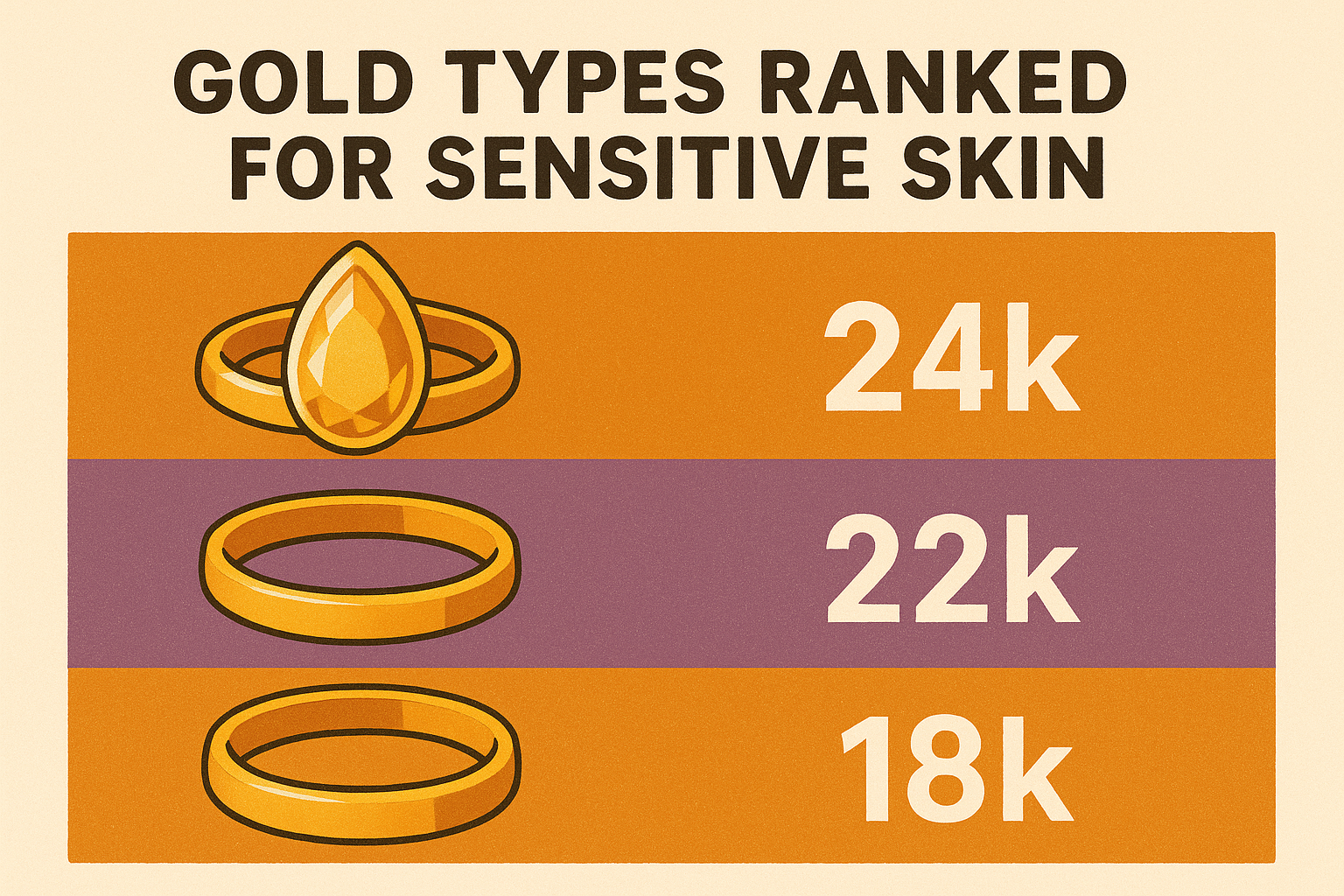
Not all gold karats offer the same protection against allergic reactions, and understanding this hierarchy helps you make informed purchasing decisions based on your sensitivity level. The purity percentage directly determines how much space remains for allergen-containing metals, creating a clear ranking system from safest to potentially problematic. You can confidently choose hypoallergenic gold rings for women by matching the gold type to your specific needs and budget constraints.
24k and 22k gold for extreme sensitivity
Pure 24k gold contains 99.9% gold with virtually no alloy metals, making it the absolute safest choice for anyone with severe nickel allergies or multiple metal sensitivities. You'll find this option soft and prone to scratches, which limits its practicality for everyday rings but works beautifully for special occasion pieces you wear less frequently. The bright yellow color looks distinctly different from lower karats, offering an unmistakable richness that many people love.
22k gold provides a slight durability improvement while maintaining 91.7% gold content, leaving minimal room for problematic metals. This karat level gives you better resistance to bending and warping without sacrificing the hypoallergenic benefits that extreme sensitivity requires. The small percentage of alloy metals typically consists of copper and silver, both significantly less likely to cause reactions than nickel.
When you have severe sensitivity, investing in 22k or 24k gold eliminates nearly all risk of allergic reactions, though you sacrifice some durability.
18k gold as the balanced choice
Most people with moderate nickel sensitivity find 18k gold hits the sweet spot between purity and practicality. The 75% gold content leaves only 25% for alloy metals, which reputable jewelers fill with palladium, copper, and silver rather than nickel. This karat level offers enough durability for daily wear while maintaining strong hypoallergenic properties that protect sensitive skin reliably.
14k gold requires verification
Standard 14k gold contains only 58.3% pure gold, creating more opportunities for manufacturers to include nickel in the remaining 41.7% of alloy metals. You need to specifically verify that any 14k piece uses nickel-free alloys before purchasing, as not all jewelers prioritize this substitution. Budget-conscious shoppers can safely choose 14k gold when sellers provide documentation confirming their hypoallergenic claims.
How to prevent and treat ring rash
Dealing with ring rash requires a two-pronged approach: stopping the allergic reaction from starting and knowing how to address symptoms when they appear. Prevention always works better than treatment, but you need both strategies in your toolkit because even hypoallergenic gold rings for women can occasionally cause irritation from trapped moisture or soap residue. Your fingers deserve relief from constant itching, redness, and discomfort, and these practical steps help you maintain healthy skin while wearing the jewelry you love.
Prevention strategies that actually work
Keeping your rings clean prevents buildup that traps allergens and moisture against your skin. You should remove rings before washing hands, showering, or swimming to eliminate the sealed environment where irritants concentrate. Water and soap get trapped under bands, creating the perfect conditions for nickel dissolution even in supposedly safe rings. Dry your fingers thoroughly after any water exposure, paying special attention to the areas directly under ring bands where moisture lingers longest.
Rotating your rings gives your skin recovery time and prevents constant exposure to the same contact points. Consider taking breaks from wearing rings entirely on weekends or during workouts when sweat amplifies metal reactions. This simple habit reduces cumulative exposure and allows your skin barrier to repair itself naturally.
Immediate treatment steps
Stop wearing the offending ring immediately when you notice symptoms like redness, itching, or raised bumps. Your skin needs a complete break from metal contact to heal properly, regardless of how much you love the piece. Wash the affected area gently with mild, fragrance-free soap and pat dry without rubbing, which can further irritate already compromised skin.
Apply over-the-counter hydrocortisone cream twice daily to reduce inflammation and control itching. Keep the area moisturized with hypoallergenic, unscented lotion that doesn't contain potential irritants. The healing process typically takes one to two weeks once you eliminate the allergen source.
Continuing to wear a ring that causes reactions will worsen symptoms and potentially lead to chronic dermatitis that requires medical intervention.
When professional help becomes necessary
See a dermatologist if symptoms persist beyond two weeks despite stopping ring wear and using over-the-counter treatments. You need prescription-strength corticosteroids or immunosuppressant creams when the rash spreads, develops blisters, or shows signs of infection like oozing or warmth. Professional allergy patch testing confirms exactly which metals trigger your reactions, allowing you to make informed jewelry choices moving forward.
Final thoughts
Your search for hypoallergenic gold rings for women doesn't have to involve endless trial and error or settling for pieces that irritate your skin. Armed with knowledge about karat levels, nickel-free alloys, and proper ring care, you can build a jewelry collection that looks stunning without causing discomfort. The key lies in choosing 14k gold or higher from sellers who provide transparent information about their alloy compositions and prioritize your comfort alongside style.
Remember that investing in quality hypoallergenic jewelry saves you money long term by eliminating the need to replace pieces that cause reactions. You deserve rings you can wear confidently every single day, knowing they won't turn your skin green, trigger rashes, or tarnish after a few months. At Ezra Gems, our waterproof gold-plated pieces combine fashion-forward designs with materials selected specifically for sensitive skin, delivering the luxury look you want with zero compromise on comfort. Browse our bestselling rings and jewelry to discover pieces loved by thousands of customers who refuse to choose between style and skin safety.
Leave a comment