


What Are Stud Earrings? Types, Backs, Metals & How to Wear
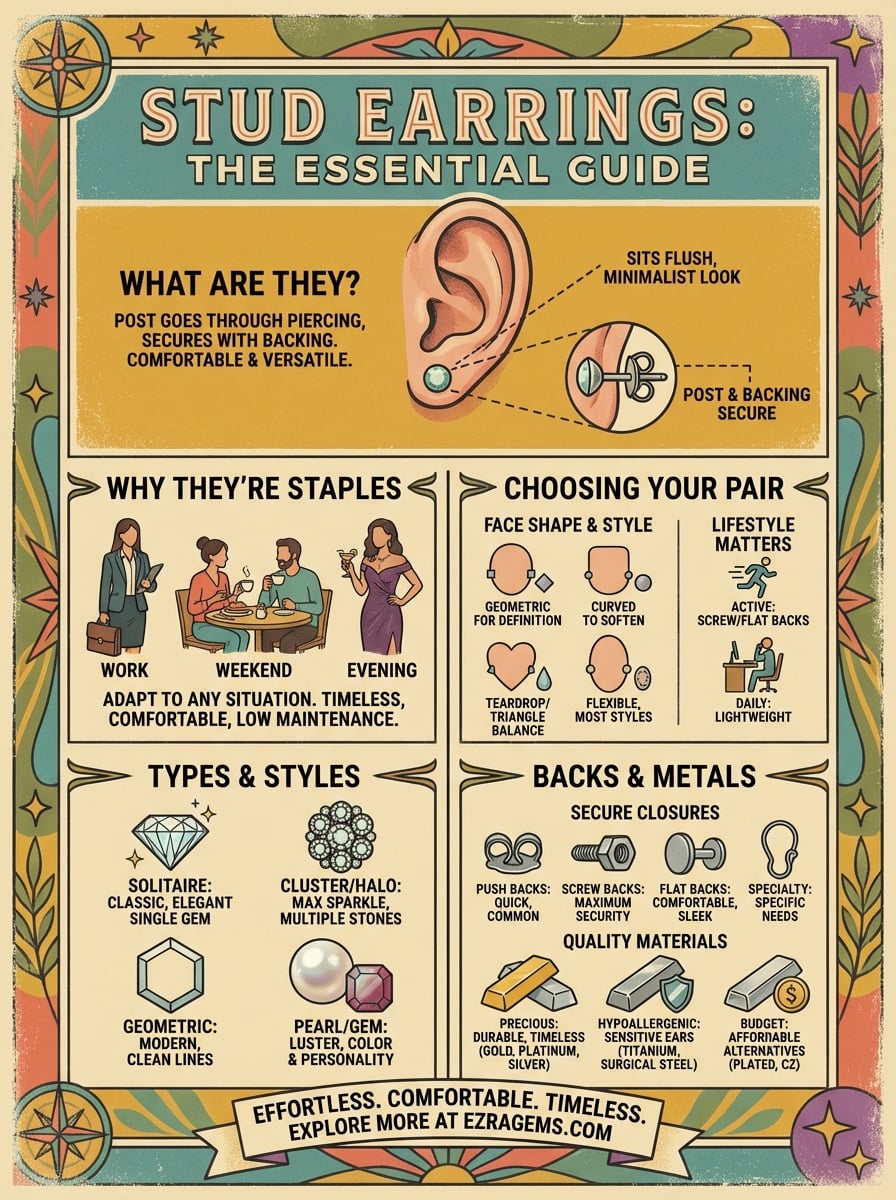
Stud earrings sit flush against your earlobe with a simple post that goes through your piercing and secures with a backing. Unlike hoops or dangles that hang and move, studs stay put and create a clean, minimalist look. You'll find them with gemstones, pearls, metal shapes, or decorative designs on the front. They're versatile enough to wear alone or stack with other earrings for a layered effect.
This guide breaks down everything you need to know about stud earrings. You'll learn why they're considered a jewelry essential, how to choose the right pair for your style, and what makes them different from other earring types. We'll walk you through popular stud styles, from classic solitaires to trendy geometric designs. You'll also discover the different backing types and which ones work best for comfort and security. Finally, we'll cover the metals and materials used in quality studs so you can pick pieces that match your needs and budget.
Why stud earrings are a jewelry staple
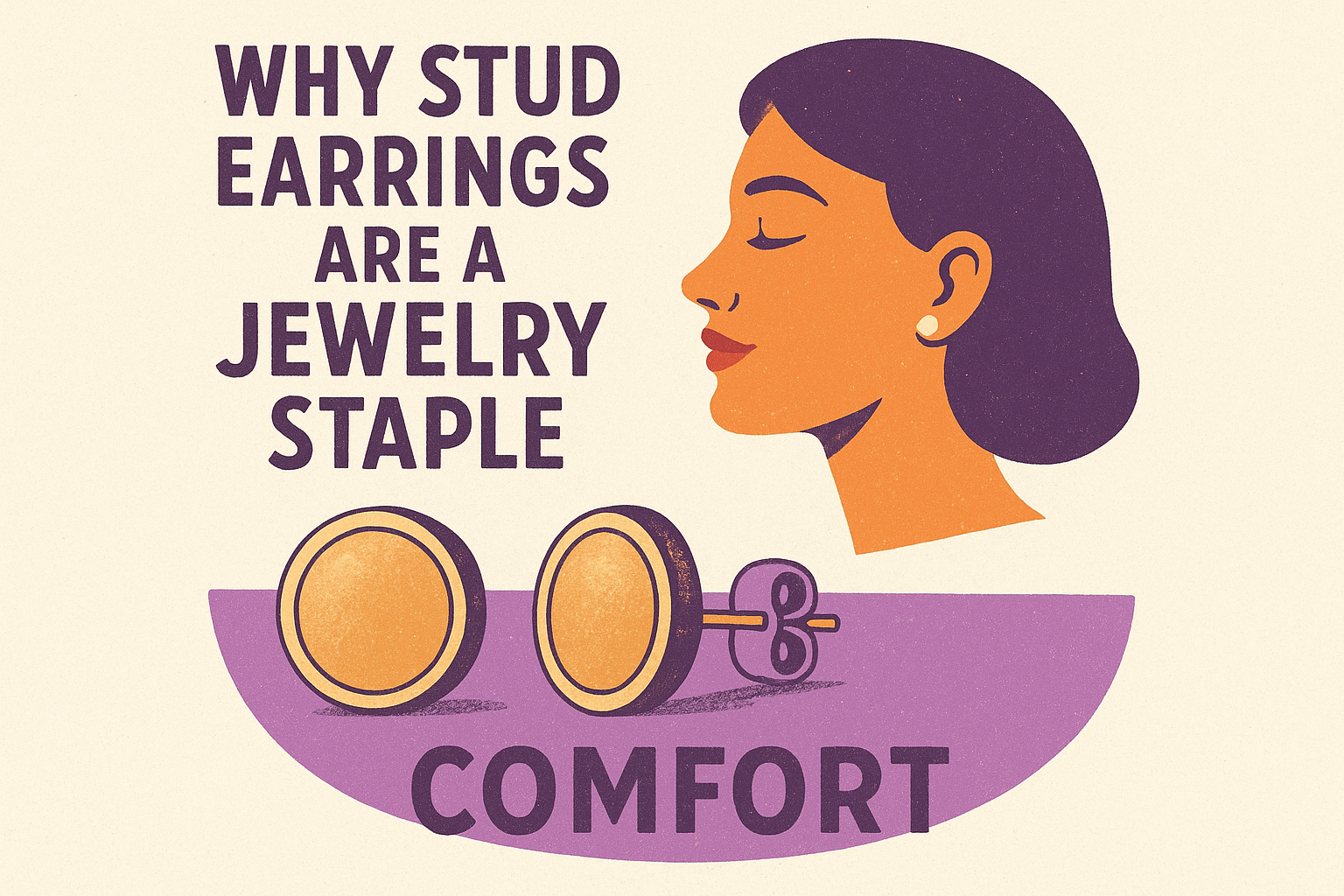
Stud earrings earn their place in every jewelry collection because they adapt to any situation without demanding attention. You can wear them to work meetings, weekend brunches, formal events, or while running errands, and they'll always look appropriate. Their simple design means you won't worry about them catching on clothing, getting tangled in your hair, or overwhelming your outfit.
Comfort and practicality
The lightweight construction of studs makes them comfortable for all-day wear. You can put them on in the morning and forget about them until bedtime. They don't pull on your earlobes the way heavier earrings do, and their secure backing keeps them in place during physical activity.
Studs work as a foundation piece that you can build on or wear solo, giving you maximum flexibility with minimal effort.
Timeless appeal
Understanding what are stud earrings reveals why they've remained popular across generations. Their classic design never goes out of style, so you'll get years of use from each pair. You can invest in quality materials like gold or sterling silver knowing they'll stay relevant through changing fashion trends. This longevity makes studs a practical choice for your budget since you won't need to replace them seasonally. They also require minimal maintenance compared to intricate designs with moving parts or delicate chains.
How to choose and wear stud earrings
Choosing the right stud earrings starts with understanding your personal style and daily routine. You want pieces that complement your wardrobe, fit comfortably, and suit the way you live. The best studs work with your natural features rather than against them, creating balance and drawing attention to your best attributes.
Consider your face shape
Your face shape determines which stud sizes and styles will flatter you most. Round faces benefit from angular or geometric studs that add definition, while square jawlines soften with round or curved designs like pearls. If you have a heart-shaped face, try triangle or teardrop studs that mirror your natural contours. Oval faces work with nearly any stud style, giving you the most flexibility to experiment with different looks.
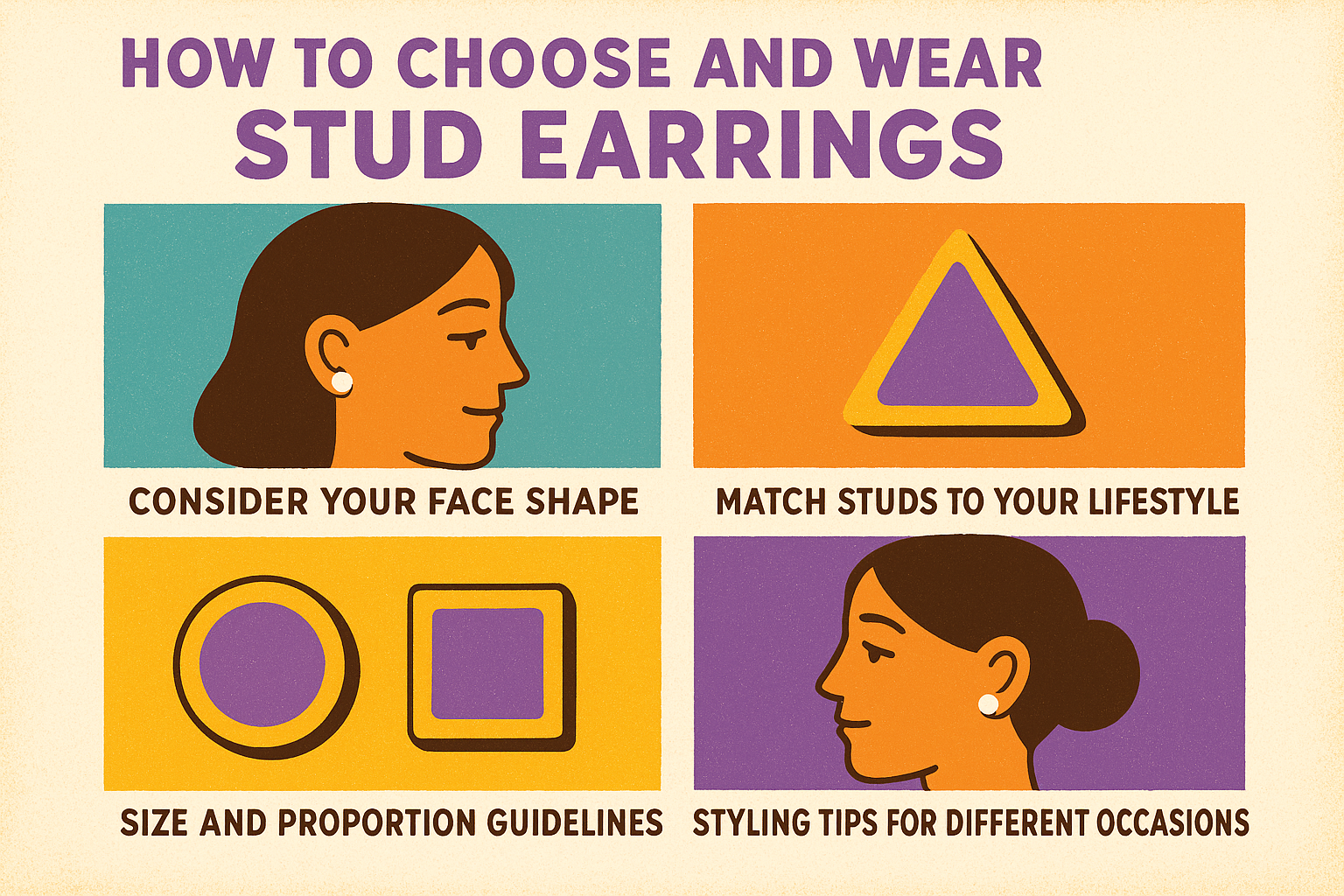
Matching your earring shape to your face structure creates visual harmony that makes your features stand out naturally.
Long or rectangular faces need studs with horizontal elements or cluster designs that add width rather than length. You can also choose slightly larger studs to create better proportion with your face shape.
Match studs to your lifestyle
Your daily activities should guide your stud selection. Active lifestyles require secure backings like screw backs or flat backs that won't fall out during exercise or physical work. If you spend long hours at a computer or phone, lightweight studs prevent ear fatigue and discomfort from all-day wear.
Professional environments typically call for subtle, classic studs in neutral metals like gold or silver with simple designs. Creative fields give you more freedom to wear bold geometric shapes or colorful gemstones. People with metal sensitivities need hypoallergenic options made from surgical steel, titanium, or solid gold rather than plated metals.
Size and proportion guidelines
Stud size directly impacts how formal or casual your overall look appears. Small studs measuring 3-4mm work for conservative settings and stack well with other earrings in multiple piercings. Medium sizes between 5-7mm offer versatility for both casual and dressy occasions. Large studs over 8mm make statement pieces that command attention and work best as solo earrings.
Balance your stud size with your physical build and features. Petite frames look overwhelmed by oversized studs, while larger builds can carry bigger designs without them appearing too delicate. Your earlobe size also matters since studs that extend beyond your lobe edge look disproportionate.
Styling tips for different occasions
Everyday wear calls for comfortable, versatile studs that coordinate with multiple outfits. Simple metal balls, small gemstones, or classic pearls serve as foundation pieces you can wear five days a week. Layer them with small hoops or cuffs in second or third piercings to add interest without overwhelming your look.
Formal events demand understated elegance, so stick with diamond or cubic zirconia studs in white metals. Skip trendy shapes and opt for traditional round or princess cuts that photograph well and won't date your event photos. Casual settings let you experiment with fun designs like stars, moons, or themed shapes that express your personality without professional constraints.
Types of stud earrings and styles
The variety of stud earrings available lets you express different moods and match various occasions. From classic solitaires to trendy geometric shapes, each style serves a distinct purpose in your jewelry collection. Understanding what are stud earrings means recognizing how their designs range from traditional gemstone settings to modern architectural forms. You can choose based on formality level, personal taste, or the specific statement you want to make with your accessories.
Solitaire studs
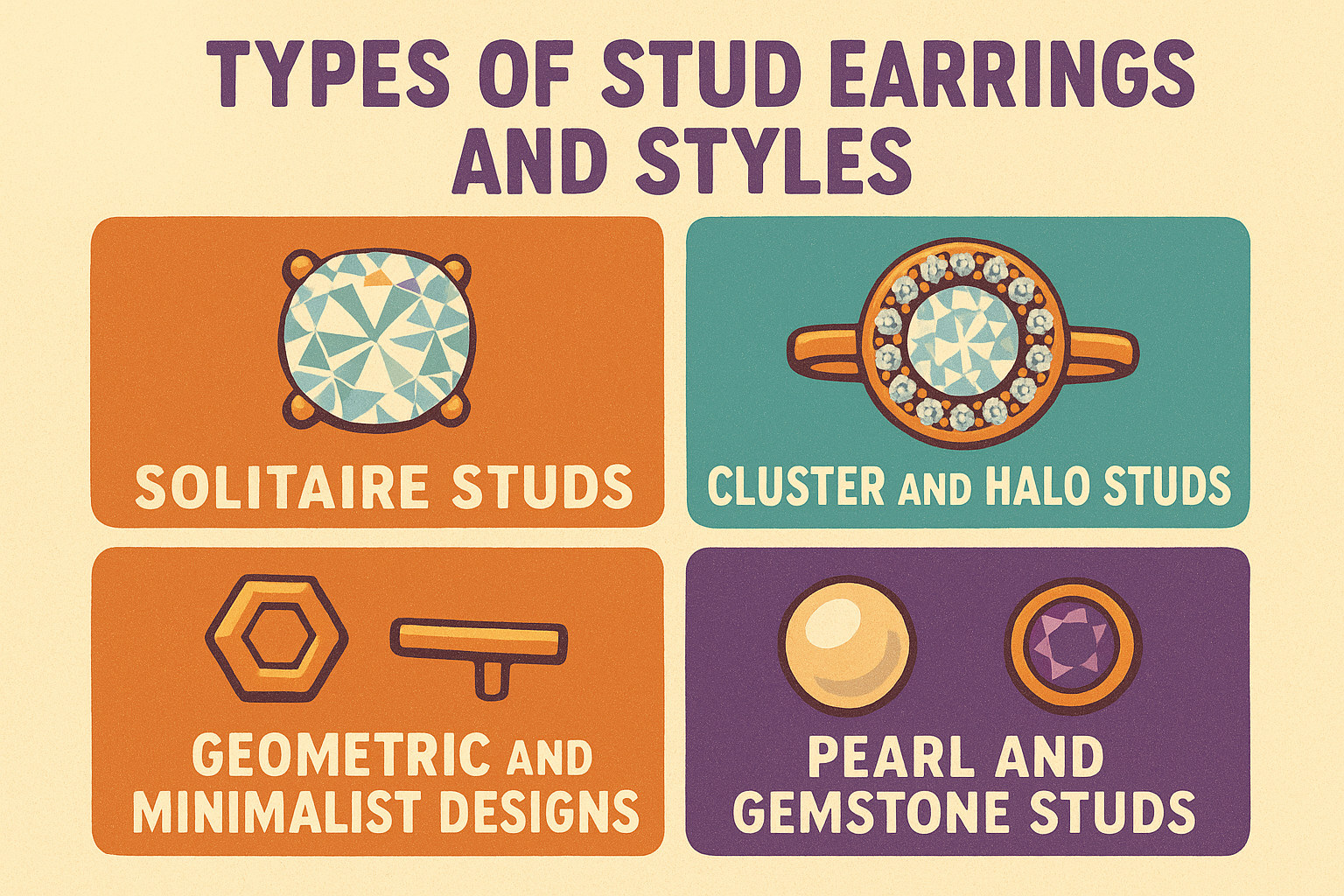
Solitaire studs feature a single gemstone mounted on a post, creating the most classic and recognized stud design. You'll typically find them with round diamonds, cubic zirconia, or other precious stones set in prong or bezel settings. The four-prong setting remains the most popular choice because it maximizes light reflection and makes the stone appear larger.
These studs work exceptionally well for formal occasions and professional environments where you need understated elegance. You can wear them every day without worrying about them going out of style, making them a worthwhile investment piece. Their simplicity also means they pair easily with any outfit from business suits to casual jeans without competing for visual attention.
Cluster and halo studs
Cluster studs group multiple small stones together to create a larger overall appearance while keeping costs lower than single large stones. You get more sparkle and visual impact because the numerous facets catch light from different angles. Halo designs surround a center stone with a ring of smaller gems, adding dimension and making the central piece look more substantial.
Cluster and halo styles give you maximum brilliance at accessible price points by using strategic stone placement instead of large, expensive gems.
These designs suit special occasions and evening wear when you want your earrings to catch attention under ambient lighting. The intricate settings require more careful maintenance than simple solitaires but deliver significantly more visual drama.
Geometric and minimalist designs
Geometric studs embrace clean lines and angular shapes like triangles, hexagons, squares, and abstract forms. You'll find them in solid metal designs or with small stone accents that emphasize the structural elements. Bar studs feature thin horizontal or vertical metal strips that create a modern, architectural look.
Modern minimalism focuses on simple forms with maximum impact through careful proportion and negative space. These studs appeal to contemporary tastes and work particularly well when you stack multiple earrings or want your jewelry to feel current and fresh. They complement structured clothing and clean-lined fashion aesthetics better than traditional gemstone styles.
Pearl and gemstone studs
Pearl studs range from classic white freshwater pearls to exotic black Tahitian or golden South Sea varieties. You can choose round pearls for traditional elegance or baroque shapes for organic, irregular beauty. The luster quality matters more than size, so focus on pearls with deep, reflective surfaces rather than simply buying the largest available.
Colored gemstone studs let you match birthstones, coordinate with specific outfits, or express personal color preferences. Sapphires, emeralds, rubies, and semi-precious stones like amethyst or topaz all make stunning stud choices. Natural stones cost more but offer unique characteristics in each piece, while lab-created options provide perfect color and clarity at lower price points without visible differences to the untrained eye.
Stud earring backs and closures
The backing on your stud earrings determines how securely they stay in place and how comfortable they feel during extended wear. You need reliable closures that prevent loss while avoiding excessive pressure on your earlobes. Different backing types serve specific purposes, from maximum security during physical activity to comfortable overnight wear. Understanding what are stud earrings includes knowing how each closure mechanism works and which situations call for particular backing styles.
Push backs (butterfly backs)
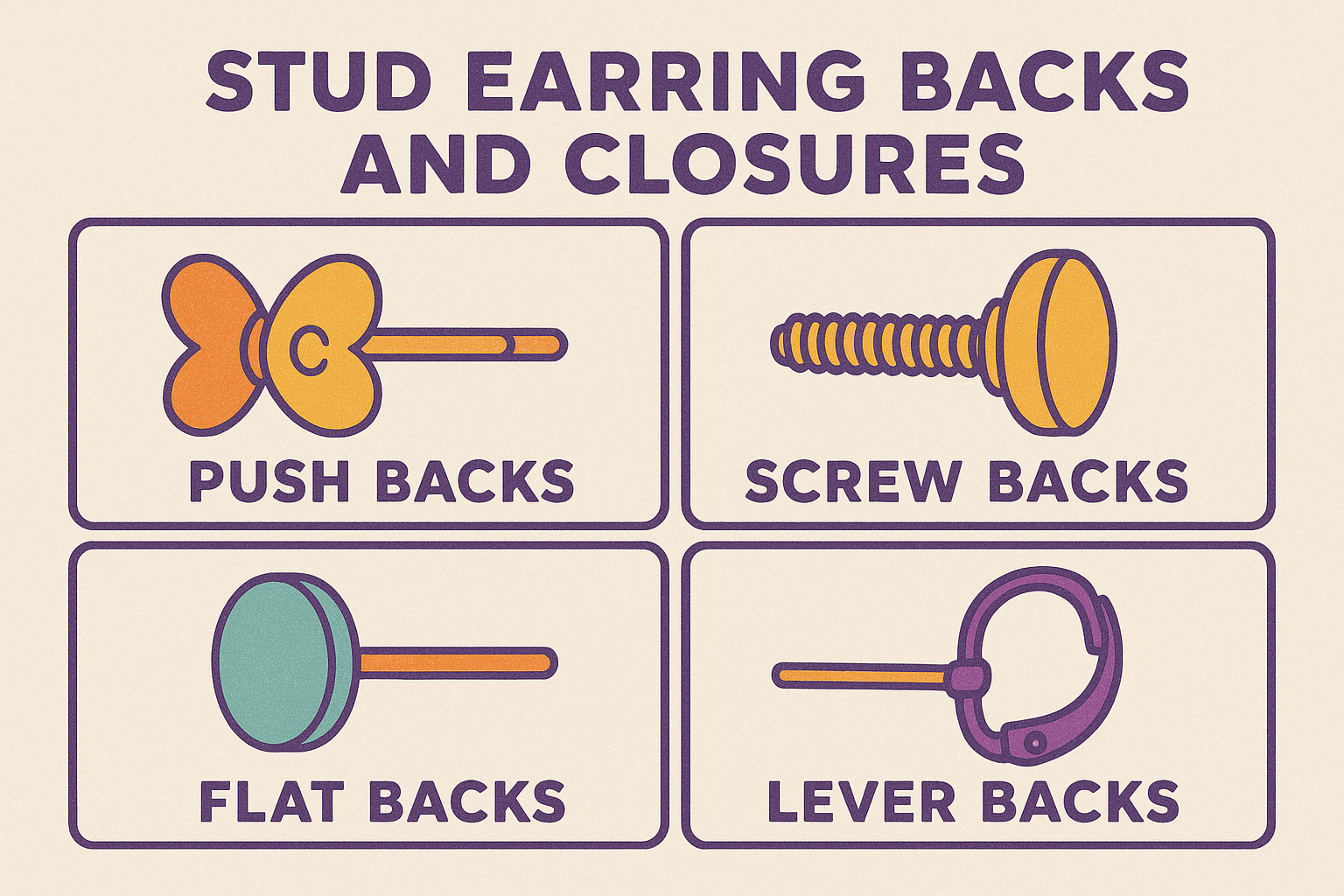
Push backs, also called butterfly backs, represent the most common closure type you'll encounter with stud earrings. You slide the backing onto the post until it grips tightly, and the metal wings compress to hold it in place. These backs work through friction and tension rather than threading or locking mechanisms.
They offer quick on-and-off convenience for daily wear and come standard with most affordable studs. The simplicity means you can replace lost backs easily since they follow universal sizing. However, push backs can loosen over time as the metal fatigues, and they sometimes slip off during sleep or vigorous activity. You should replace worn butterfly backs regularly to maintain secure hold.
Screw backs
Screw backs provide maximum security by threading onto a grooved post, creating a mechanical lock that won't slide off accidentally. You twist the backing clockwise until it tightens completely against your earlobe. This closure type works especially well for valuable studs with expensive gemstones where loss would mean significant financial impact.
Screw backs give you peace of mind during travel, sports, or any situation where losing an earring would cause real problems.
Parents often choose screw backs for children's first earrings because the secure closure prevents loss during active play. The main drawback involves the extra time required to put them on and take them off, making them less convenient for frequent changing. Some people find the threading mechanism difficult to manage with limited dexterity or vision.
Flat backs
Flat backs feature a smooth disc surface that sits flush against the back of your earlobe instead of protruding like traditional backings. You can sleep comfortably wearing flat back studs since they don't dig into your skin when you lie on your side. These closures use either threadless push-fit connections or internal threading for security.
Piercers frequently install flat backs in fresh piercings because they reduce irritation and allow better airflow around healing tissue. The low-profile design also prevents snagging on clothing and hair, making flat backs practical for cartilage piercings in upper ear positions. You'll pay slightly more for quality flat back studs, but the comfort advantage justifies the additional cost for everyday wear.
Lever backs and specialty closures
Lever backs incorporate a hinged wire mechanism that snaps closed behind your ear, though they're more common on dangle earrings than true studs. You'll sometimes find hybrid designs that combine stud-like fronts with lever closures for added security. Latch backs use a similar concept with a small catch that locks the post in place.
Safety backs add an extra plastic disc behind standard push backs to provide additional friction and prevent accidental loss. Medical-grade plastic or silicone backs work for people with metal sensitivities who need hypoallergenic options. Each specialty closure serves specific needs, so you should match the backing type to your priorities for security, comfort, and ease of use.
Metals and materials for stud earrings
The metal and material you choose for your stud earrings affects durability, appearance, and skin compatibility. You need to match these choices to your budget, lifestyle, and any sensitivities you have. Quality materials resist tarnishing and hold up through daily wear, while lower-grade options require more frequent replacement. Understanding what are stud earrings includes recognizing how different metals and materials perform over time and which ones deliver the best value for your specific needs.
Precious metals for lasting quality
Gold remains the most popular precious metal for stud earrings because it offers excellent durability and timeless appeal. You'll find it measured in karats, with 14k and 18k providing the best balance between strength and purity. Lower karat gold contains more alloy metals for added durability, while higher karats feature more pure gold with richer color but softer structure.
Platinum delivers superior strength and hypoallergenic properties at a premium price point. You get a naturally white metal that won't fade or need replating like white gold does. Sterling silver contains 92.5% pure silver and offers affordable elegance, though it requires regular polishing to prevent tarnish from developing on the surface.
Hypoallergenic options for sensitive ears
People with metal sensitivities need nickel-free materials that won't trigger allergic reactions or irritation. Surgical-grade stainless steel provides excellent biocompatibility at accessible prices, making it ideal for new piercings or daily wear when you want to avoid skin problems. The same steel used in medical implants ensures your ears stay healthy.
Titanium stands out as the most hypoallergenic metal available, with virtually zero risk of allergic reactions even for people with severe sensitivities.
Niobium offers another reactive-metal alternative that resists corrosion and accepts anodized colors beautifully. You can find niobium studs in vibrant hues without any coating that might wear off or cause reactions. These specialized metals cost more than standard options but deliver peace of mind for sensitive skin.
Budget-friendly alternatives
Gold-plated studs give you the look of solid gold at a fraction of the cost by applying a thin gold layer over base metal. You should expect the plating to wear through with regular use, especially around post areas that experience friction. Gold-filled jewelry contains significantly more gold than plating and lasts longer before showing wear.
Brass and bronze create warm-toned studs that develop distinctive patinas over time. You can treat these metals with clear coatings to slow tarnishing and maintain their original appearance. Cubic zirconia provides diamond-like sparkle without the expensive price tag, while lab-created gemstones offer genuine stone properties at lower costs than mined alternatives. These budget options let you build a diverse collection without major financial investment.
Stud earrings in a nutshell
Understanding what are stud earrings gives you the foundation to build a versatile jewelry collection that works for every occasion. You now know how to select the right size and style for your face shape, choose secure backings that match your lifestyle, and pick metals that suit your skin and budget. From classic solitaires to modern geometric designs, studs offer endless options without overwhelming your look.
You can wear them alone for subtle elegance or stack them with other earrings to create personalized ear combinations. Their lightweight construction and secure closures make them practical for all-day comfort, while their timeless designs ensure you'll get years of use from each pair. Ready to find your perfect studs? Browse our collection of waterproof earrings designed for everyday wear without tarnishing or turning your skin green.
Leave a comment