


You bought a ring or necklace labeled "waterproof," and now you're wondering, does waterproof jewelry tarnish over time, or is it actually built to last? It's a fair question. The term gets thrown around a lot in fashion jewelry marketing, and not every brand means the same thing by it.
Here's the short answer: waterproof jewelry can tarnish, depending on the materials used and how the piece was made. A thin gold plating over cheap base metal won't hold up the same way solid stainless steel or thick PVD-coated gold will. The difference comes down to what's underneath the surface, and how well that surface was applied in the first place. Understanding these distinctions saves you money and frustration.
At Ezra Gems, we sell gold-plated jewelry designed to handle daily wear, showers, sweat, and all. So we're not here to dodge this topic. In this article, we'll break down which materials actually resist tarnish around water, which ones don't, and how to care for your pieces so they stay looking sharp. No vague promises, just straight answers backed by what we know from selling and testing these products every day.
Why "waterproof" jewelry can still tarnish
The word "waterproof" sounds definitive, but in jewelry marketing, it carries no regulated definition. Brands apply it freely, which means a piece labeled waterproof might be anything from a thick PVD-coated stainless steel ring to a thin gold-plated brass bracelet. Both get the same label, but they behave very differently when exposed to water, sweat, and humidity over time.
The term "waterproof" has no industry standard
When you ask does waterproof jewelry tarnish, the honest answer starts here: there is no governing body that sets a universal standard for what "waterproof" means in fashion jewelry. Unlike electronics, which use IP ratings to define water resistance levels, jewelry brands can call a piece waterproof with no testing or certification required. That means the label tells you almost nothing on its own about how the piece will actually hold up.
The safest way to evaluate a waterproof claim is to look past the label and ask what material the piece is made from and how thick the coating is.
How plating thickness changes everything
Gold plating is measured in microns, and even a small difference in thickness can dramatically change how long a piece stays looking new. A standard gold-plated piece might have a coating of 0.5 microns or less. That layer wears down quickly when you expose it to water, soap, or chlorine. Pieces with thicker plating, typically 2.5 microns or more, or those coated using PVD (physical vapor deposition), bond the gold layer far more securely to the base metal and resist fading and tarnish much longer.
The base metal underneath the plating also plays a major role. Brass and copper are common base metals that react with moisture and oxygen, which causes tarnish to push through once the top layer wears thin. Stainless steel as a base resists that reaction far better, which is why the combination of stainless steel and thick plating gives you the most durable waterproof jewelry available.
What materials hold up best in water
Not all jewelry metals react to water the same way. If you want a piece that genuinely resists tarnish after repeated exposure to moisture, the base material matters far more than the label on the tag. Some metals handle water with no issues at all, while others start breaking down the moment the plating thins out.
Stainless steel and PVD-coated pieces
Stainless steel is one of the most water-resistant metals you can find in fashion jewelry. It contains chromium, which forms a natural protective barrier that prevents rust and oxidation even with regular exposure to water, sweat, and humidity. When you add a PVD coating on top of stainless steel, you get a piece that bonds the color layer directly into the surface rather than sitting on top of it, making it far more resistant to peeling, fading, and tarnish over time.
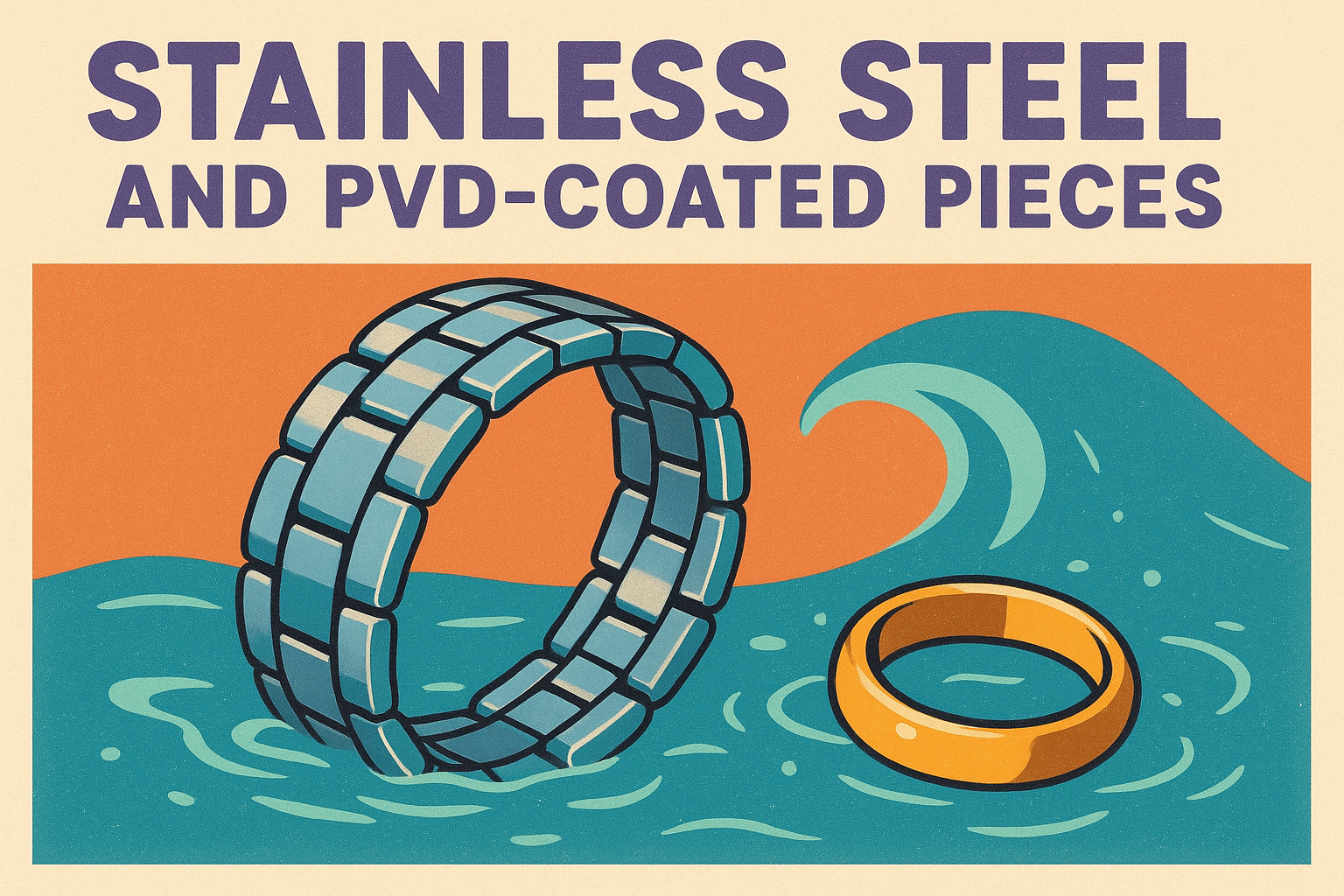
Stainless steel with PVD coating is the closest thing to a genuinely waterproof metal you'll find at an accessible price point in fashion jewelry.
Solid gold and gold-filled options
Solid gold, particularly 14k or higher, does not tarnish in water because the gold content is high enough to resist oxidation on its own. Gold-filled jewelry, which has a much thicker gold layer bonded to a base metal than standard plating, also holds up well with regular water contact and is a practical step below solid gold for everyday durability.
How to make waterproof jewelry last longer
Even if you buy the most durable piece available, how you care for it daily determines how long it actually stays tarnish-free. The good news is that a few consistent habits make a real difference, and none of them require special products or complicated routines.
Store it correctly
Where you keep your jewelry between wears matters more than most people realize. Humidity builds up in bathrooms, making them one of the worst places to store pieces, even ones labeled waterproof. Keep your jewelry in a dry, sealed pouch or box away from direct sunlight and moisture when you're not wearing it.
Good storage options include:
- Small zip-lock bags with the air pressed out
- Fabric-lined jewelry boxes
- Anti-tarnish pouches
Clean it the right way
When you do need to clean a piece, use a soft cloth and mild soap diluted in lukewarm water. Avoid harsh chemicals like bleach, acetone, or alcohol-based sprays, which strip plating faster than water ever would. Gentle cleaning after heavy wear, like a workout or a long day out, removes sweat and oils that slowly degrade the surface coating over time. Pat pieces completely dry before storing them.
If you're asking does waterproof jewelry tarnish faster when neglected, the answer is yes. Regular, gentle care is the single biggest factor in how long your pieces hold up.
What to do for showers, pools, and the ocean
Not every water exposure is equal, and knowing which environments cause the most damage helps you make smarter decisions about when to wear your pieces. The type of water and what's dissolved in it matters as much as the jewelry material itself.
Showering with jewelry on
Showering is generally the mildest form of water exposure your jewelry faces. Fresh water and mild soap won't destroy a well-made stainless steel or PVD-coated piece quickly on their own. Still, shampoos, conditioners, and body washes contain chemicals that slowly break down plating over repeated contact.
If you ever ask does waterproof jewelry tarnish faster in the shower, how often and what products touch the piece is what determines the answer. Rinse your jewelry with clean water after each shower and dry it fully before putting it away.
Drying jewelry completely after every shower prevents moisture from sitting in small surface cracks, which is one of the main causes of early tarnish.
Pools and the ocean
Pools and the ocean are far harsher than a shower. Chlorine actively breaks down metal coatings, and saltwater accelerates oxidation on any exposed base metal underneath the plating. Remove your jewelry before swimming whenever you can. If your pieces do get wet in these conditions, rinse them with fresh water right away and dry them before storing.
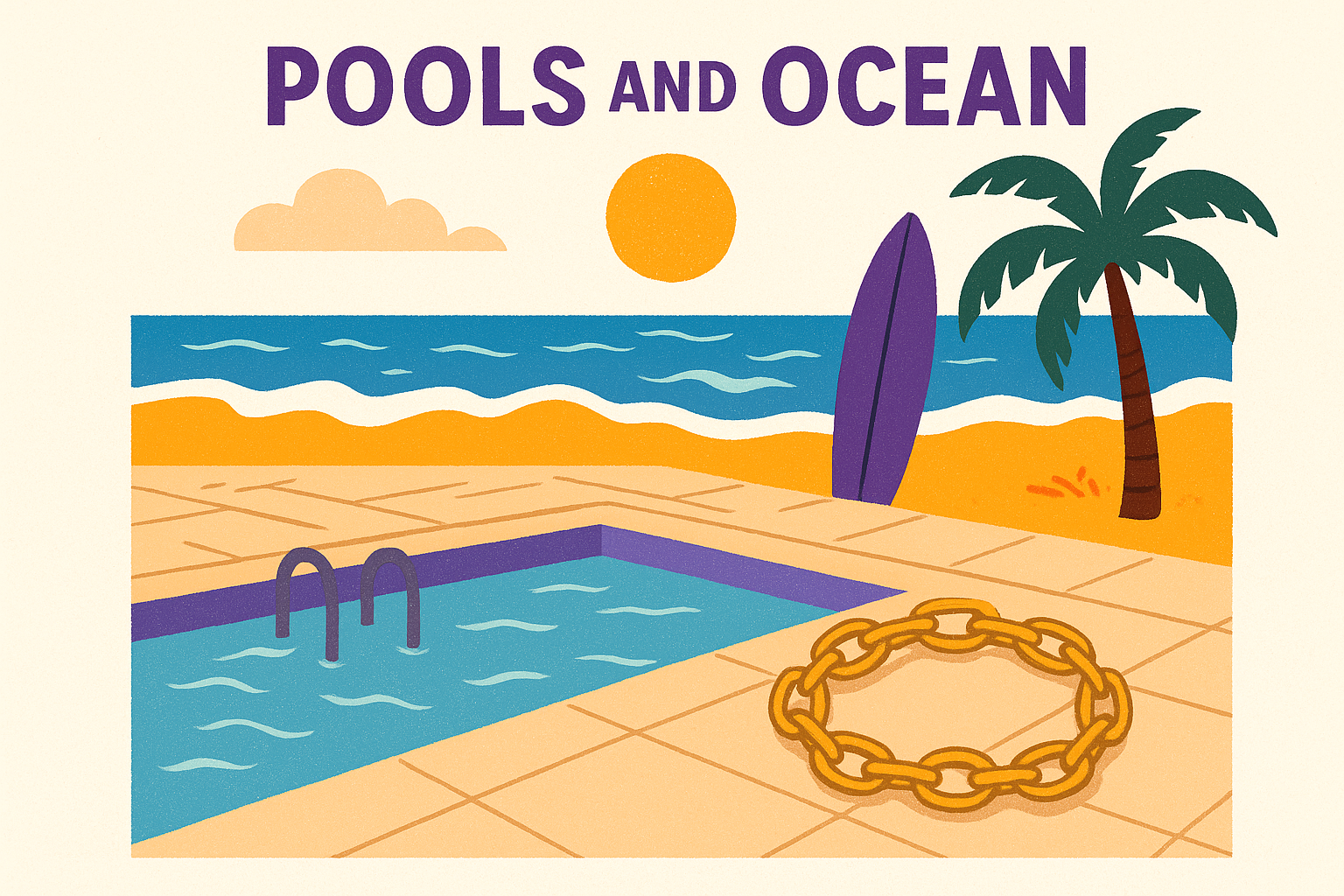
Environments to be most careful with:
- Chlorinated pools
- Saltwater and ocean surf
- Hot tubs (high heat combined with chemicals)
Myths, marketing terms, and red flags to watch
Shopping for jewelry means navigating a lot of vague language designed to sound more reassuring than it is. Understanding the difference between real material claims and empty marketing labels helps you spend your money on pieces that actually hold up. The question of does waterproof jewelry tarnish often gets muddied by terms that sound technical but mean nothing specific.
Terms that sound official but aren't
Words like "water-resistant," "waterproof," "sweat-proof," and "hypoallergenic" appear on product listings constantly, but none of them are regulated in the fashion jewelry industry. A brand can use any of these terms without meeting a defined standard. The only language that actually tells you something useful is the specific material listed, such as 316L stainless steel, 14k solid gold, or gold-filled with a stated micron thickness.
If a product description leads with lifestyle claims but buries or omits the actual materials, that's a clear signal to look elsewhere.
Red flags to spot before you buy
Some listings are straightforward about what you're getting, and others are not. Watch for these warning signs:
- No material listed beyond "gold-colored" or "metal alloy"
- Plating thickness missing from the description entirely
- Aggressive waterproof claims with no material specifics to back them up
- No return policy or vague quality guarantees
If you see these, the piece likely won't hold up the way the listing implies.
Key takeaways
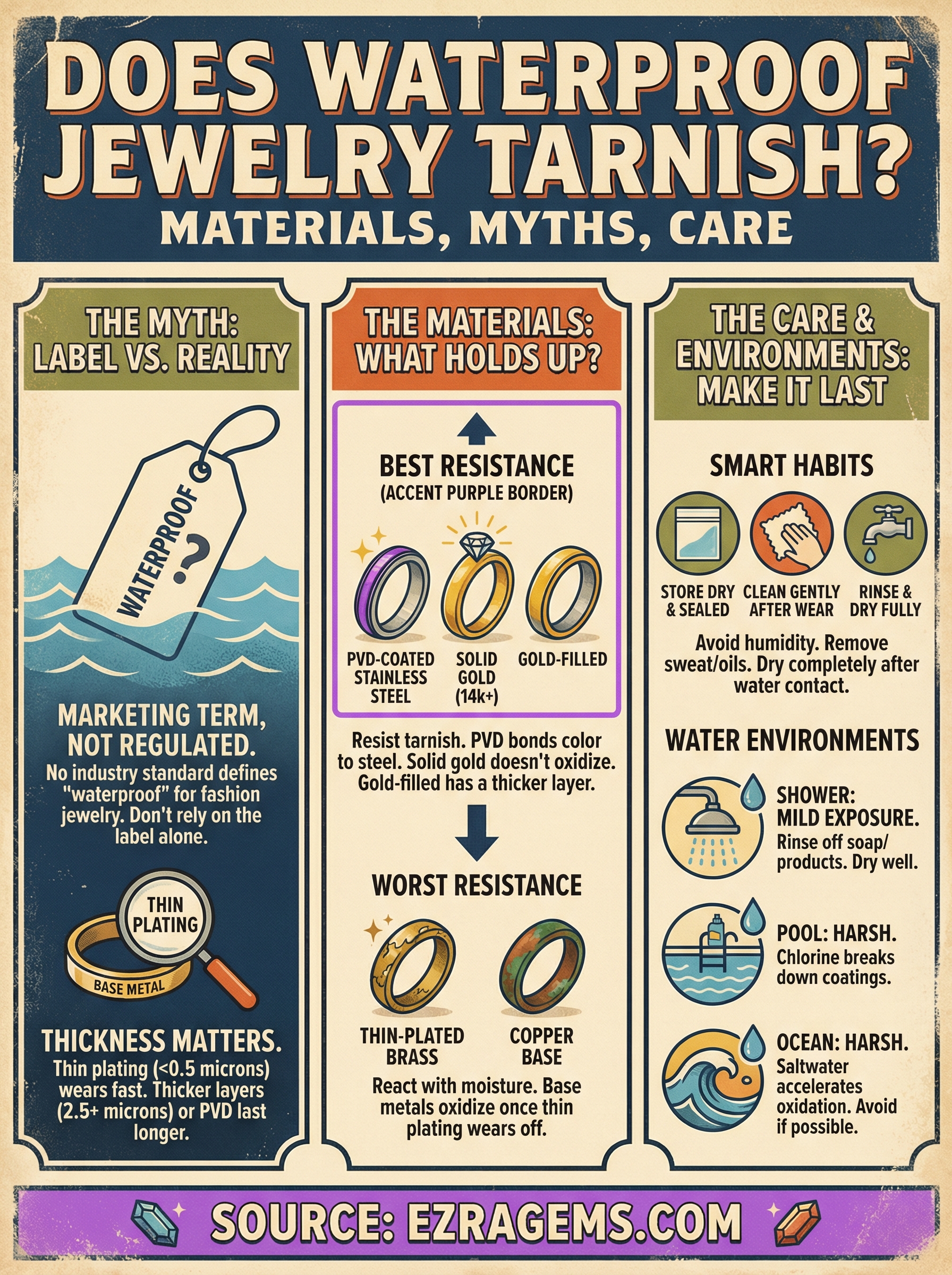
So, does waterproof jewelry tarnish? Yes, it can, and the label alone tells you almost nothing. What actually determines how a piece holds up is the base metal and the quality of the coating. Stainless steel with PVD coating or thick gold plating gives you the best shot at jewelry that resists tarnish through daily water exposure. Brass and copper bases with thin plating will break down faster, no matter what the listing says.
Your habits matter just as much as the materials. Storing pieces dry, rinsing them after harsh water exposure, and avoiding pools and hot tubs when possible all extend the life of your jewelry significantly. Skip any listing that throws around waterproof claims without backing them up with specific material details. When you know what to look for, buying durable jewelry gets a lot simpler.
If you want pieces built to last, browse the Ezra Gems bestsellers and see what holds up in real daily wear.
Leave a comment