


Gold Vermeil vs Gold Filled: Differences, Durability, Cost
You want jewelry that looks like solid gold but costs way less. That's where gold vermeil and gold filled come in. Gold vermeil is sterling silver with a gold coating that's at least 2.5 microns thick. Gold filled uses a thicker gold layer bonded to a base metal through heat and pressure. Both give you the gold look without the solid gold price tag.
This guide breaks down the real differences between these two options. You'll learn what makes each one unique, how long they last, what they cost, and which one fits your style and budget. By the end, you'll know exactly which type works best for your jewelry collection.
Why gold vermeil and gold filled matter
You don't need to spend thousands on solid gold to get quality jewelry that lasts. Both gold vermeil and gold filled pieces give you the look and feel of real gold at a fraction of the cost. These options make gold jewelry accessible to more people without sacrificing style or durability.
"The gold vermeil vs gold filled debate matters because each serves different needs and budgets while still delivering genuine gold content."
What sets them apart from cheap plating
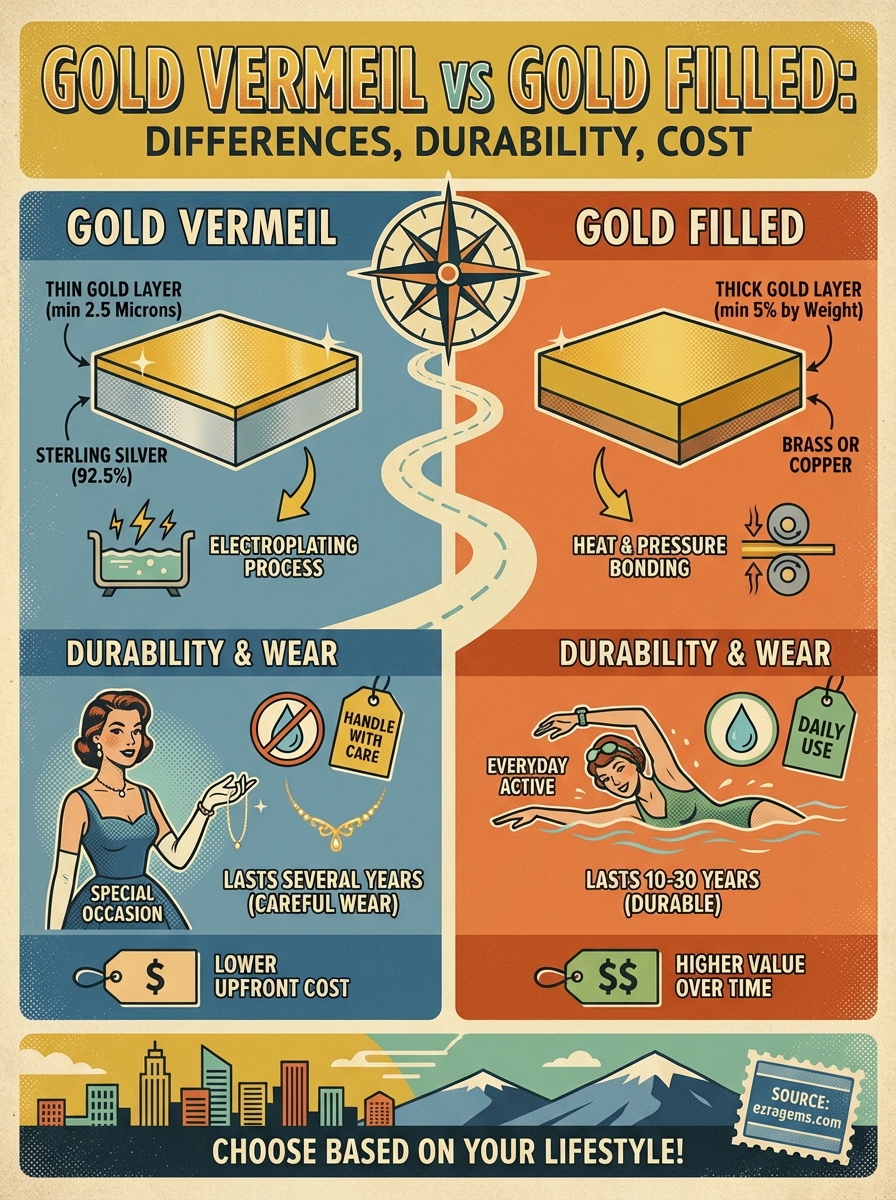
Standard gold plating wears off quickly and leaves green marks on your skin. Gold vermeil requires a minimum 2.5-micron gold layer over sterling silver, while gold filled must contain at least 5% gold by weight. These regulations mean you get actual quality standards, not just marketing claims.
Your jewelry lasts longer and maintains its appearance through regular wear. Cheap plated jewelry might look good for a few weeks, but vermeil and gold filled options hold up for years with proper care.
How to choose between gold vermeil and gold filled
Your decision between gold vermeil vs gold filled comes down to how often you'll wear the piece, your budget, and what type of jewelry you're buying. Each option works best in different situations.
Consider how you'll wear your jewelry
Think about your daily routine. Gold filled pieces handle everyday wear better because the thicker gold layer withstands constant contact with water, sweat, and friction. You can shower, exercise, and sleep in gold filled jewelry without worry.
Gold vermeil suits special occasion pieces or jewelry you rotate regularly. The thinner gold layer needs careful handling, but it delivers a luxury look when you want to make an impression. Save vermeil for date nights, meetings, or events where you want to stand out.
Match your choice to your budget
You'll find gold vermeil typically costs less upfront because it uses sterling silver as the base metal instead of brass or copper. This gives you affordable luxury that feels premium. Gold filled jewelry costs more initially but delivers better long-term value through its durability and thicker gold content.
"The right choice depends on whether you prioritize lower entry cost or longer-lasting wear."
Key differences in metal, thickness, and process
The gold vermeil vs gold filled comparison starts with understanding what sits beneath that gold layer. Each type uses different base metals, gold thickness, and manufacturing methods that directly affect how the jewelry performs and how much you pay.
The base metal makes the first distinction
Gold vermeil requires sterling silver as its foundation. This regulation ensures consistent quality and hypoallergenic properties for sensitive skin. Sterling silver contains 92.5% pure silver, which gives vermeil pieces their solid weight and premium feel.
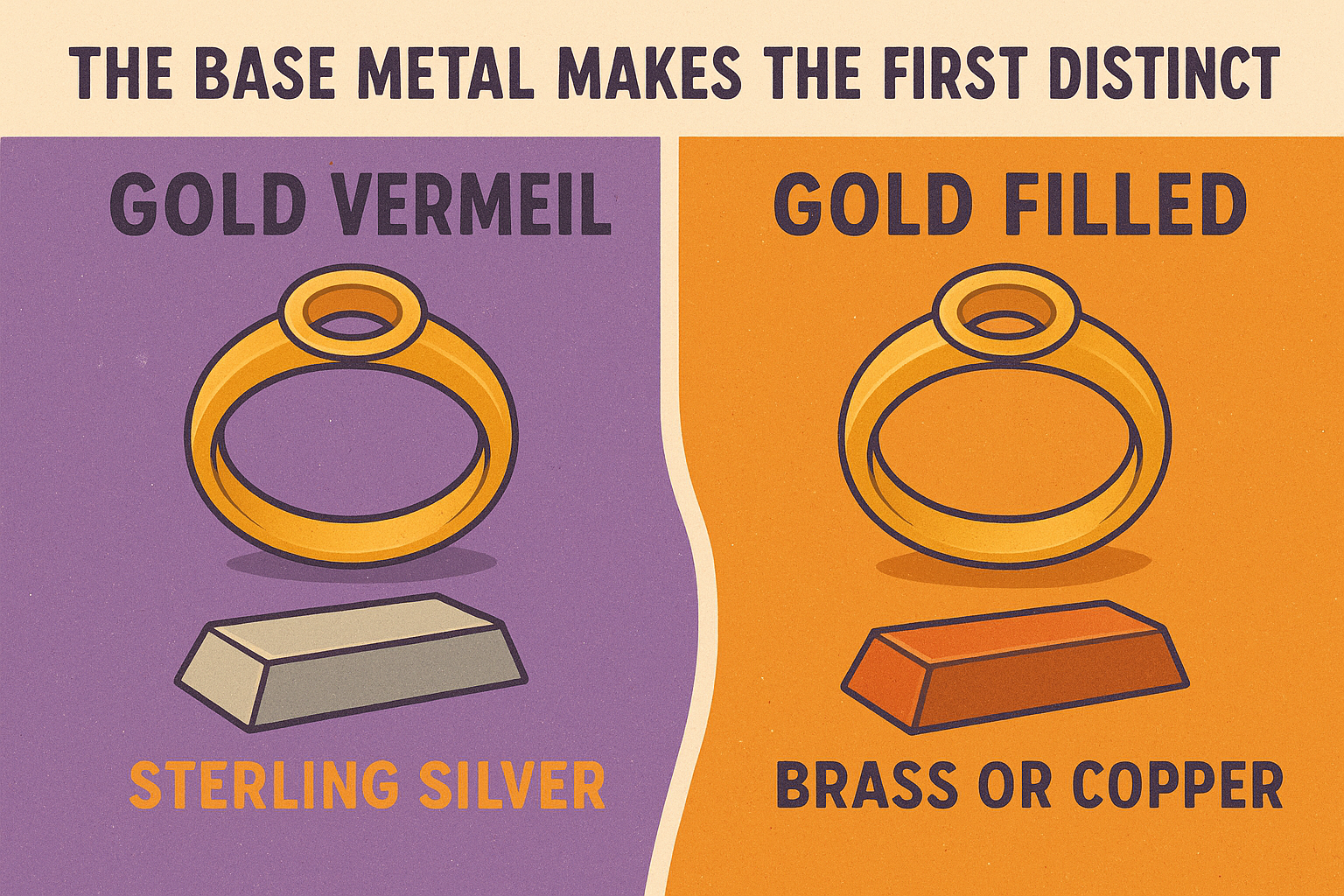
Gold filled jewelry uses brass or copper underneath the gold layer. These base metals cost less than sterling silver, but they also react differently to body chemistry and environmental exposure. The choice of base metal explains part of the price difference you see between these two options.
Gold thickness determines longevity
Vermeil must have at least 2.5 microns of gold, though higher-quality pieces often exceed this minimum. You can wear thicker vermeil for years before needing replating, while thinner layers show wear faster.
Gold filled contains much more gold in total weight. The gold layer accounts for at least 5% of the item's total weight, which translates to a substantially thicker coating than vermeil. This means gold filled pieces resist wear from daily activities like washing hands or typing at a keyboard.
"The thickness difference between vermeil and gold filled directly impacts how long your jewelry maintains its appearance."
Manufacturing processes create different bonds
Electroplating creates vermeil by using electrical current to deposit gold molecules onto sterling silver. This process allows intricate designs and detailed patterns because the gold coating conforms to any shape.
Heat and pressure bond gold filled layers to the base metal through a mechanical process. The gold sheet gets permanently bonded at high temperatures, creating a durable connection that won't peel or flake. This method works best for simpler designs like chains, hoops, and cuff bracelets where the surface remains relatively flat.
Durability, care, and skin sensitivity
The gold vermeil vs gold filled comparison shifts to real-world performance when you start wearing your jewelry daily. Both options need different maintenance approaches based on their construction, and they react differently to your skin chemistry.
How long each type lasts
Gold filled jewelry typically lasts 10 to 30 years with proper care because of its thicker gold layer. You can wear it constantly without visible wear from normal activities like typing, cooking, or light exercise. The mechanical bonding process creates a permanent connection that resists separation.
Vermeil pieces last several years when you handle them carefully and rotate your collection. The thinner gold layer shows wear faster in high-friction areas like ring bands or bracelet clasps. You might need professional replating after a few years of regular use.
"Your wearing habits determine longevity more than the manufacturing method alone."
Daily care routines that work
Remove vermeil before showering, swimming, or exercising to prevent premature wear. The sterling silver base can tarnish when exposed to moisture and chemicals. Store vermeil in airtight pouches away from other jewelry to prevent scratches.
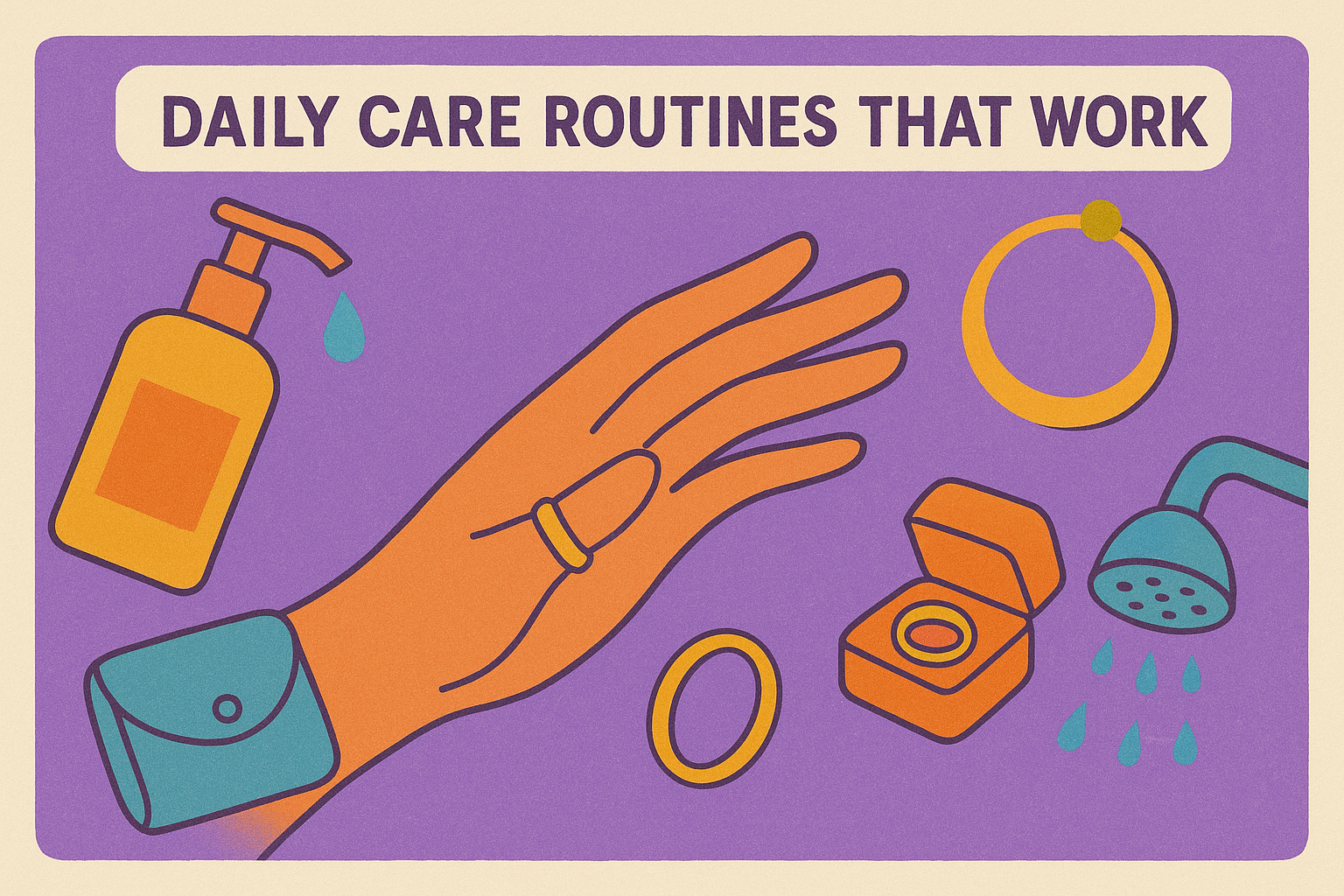
Gold filled pieces handle water and sweat better than vermeil. You can keep them on through daily activities, though removing them before applying lotions or perfumes extends their life.
Which option works for sensitive skin
Sterling silver makes vermeil hypoallergenic for most people with metal sensitivities. The gold coating provides additional protection from direct silver contact with your skin.
Gold filled jewelry might cause reactions if you're allergic to brass or copper, especially as the gold layer thins over time.
Cost, value, and when each option makes sense
The gold vermeil vs gold filled pricing debate depends on your priorities. Vermeil pieces typically start at lower price points because sterling silver costs less than the amount of gold used in filled pieces. You'll pay $30 to $150 for quality vermeil jewelry, while comparable gold filled items range from $50 to $200. The price gap narrows for complex designs where labor costs dominate.
Price comparison for similar pieces
Simple designs like stud earrings or thin chains cost less in vermeil, giving you the gold aesthetic for special occasions. Gold filled options cost more upfront but spread their value over decades of wear.
"Your cost per wear determines real value, not just the initial price tag."
When to buy vermeil
Choose vermeil for trend-driven pieces you'll wear occasionally or rotate frequently. The lower entry cost lets you experiment with styles without major commitment. Vermeil also works well for detailed designs like filigree rings or ornate pendants where the electroplating process captures intricate details.
When to choose gold filled
Pick gold filled for everyday essentials like wedding bands, chain necklaces, or hoop earrings. The higher durability justifies the extra cost when you plan to wear something daily for years. Gold filled makes sense for active lifestyles where your jewelry faces constant exposure to water and friction.
Final thoughts
The gold vermeil vs gold filled decision comes down to your lifestyle and priorities. Gold filled delivers better durability for daily wear pieces that face constant exposure to water and friction, while vermeil offers affordable luxury for occasional jewelry that makes a statement. Both options give you real gold content without the solid gold price tag.
Your collection benefits from having both types. Use gold filled for your everyday essentials like chains and hoops, and vermeil for special pieces that add elegance to important occasions. Browse our jewelry collections to find quality pieces that match your style and budget.
Part of our complete guide to gold vermeil jewelry.
Want the gold look without the tarnish problem? Gold vermeil is real gold over sterling silver — beautiful, but once the gold layer thins, the silver underneath tarnishes. Ezra Gems takes a different approach: 18K gold over surgical stainless steel, a base that does not react with water, sweat, or salt. That is why our pieces stay waterproof and tarnish-free with no polishing routine at all.
Leave a comment