


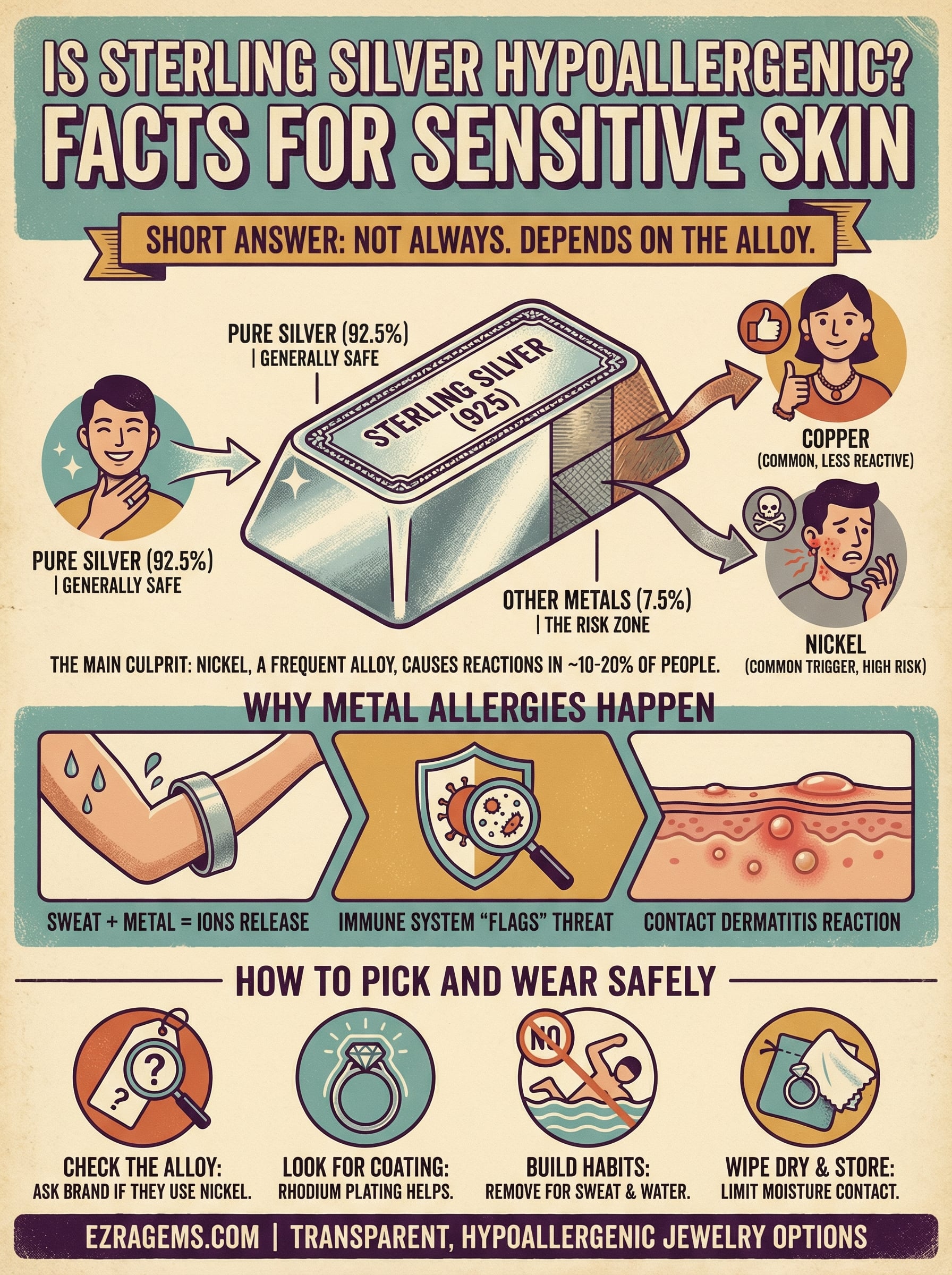
You found a gorgeous sterling silver ring, but now you're second-guessing the purchase because your skin reacts to everything. So, is sterling silver hypoallergenic? The short answer: not always. Sterling silver is 92.5% pure silver and 7.5% other metals, and that smaller percentage often includes nickel, one of the most common triggers for jewelry allergies.
If you've ever dealt with redness, itching, or a rash after wearing jewelry, you know how frustrating it is to find pieces that actually work with your skin. That frustration is exactly why we built Ezra Gems around waterproof, tarnish-free jewelry designed to skip the irritation entirely, no green ears, no guessing games.
This article breaks down what's really inside sterling silver, why it causes reactions for some people, and what alternatives exist if your skin doesn't cooperate. Whether you stick with silver or explore gold-plated options that hold up to daily wear, you'll leave here knowing exactly what to look for, and what to avoid.
Why metal allergies happen with jewelry
Metal allergies are not random. Your body's immune system identifies certain metals as foreign threats, and once it flags a particular metal, every future contact with it triggers a reaction. The skin symptoms you see, like redness, itching, or blistering, are your immune system doing its job too aggressively. This is called contact dermatitis, and it's one of the most common skin conditions linked to jewelry wear.
Nickel: the main culprit
Nickel is the metal behind the majority of jewelry-related skin reactions. It's widely used in jewelry manufacturing because it's cheap, durable, and easy to blend with other metals. The problem is that nickel ions release from metal surfaces when they come into contact with sweat, and those ions absorb into your skin. Over time or sometimes quickly, your body builds a sensitivity to it.
Once your immune system develops a nickel sensitivity, it doesn't reverse. Even small amounts of nickel can trigger a reaction every time you wear that piece.
Studies referenced by dermatology organizations confirm that nickel allergy affects roughly 10-20% of the general population, with higher rates among women, likely due to earlier and more frequent jewelry exposure. If you've ever noticed a reaction under a watchband, on your earlobes, or around a ring, nickel is the most probable cause.
Why some metals cause fewer problems
Not every metal releases ions the same way. Metals like titanium, pure gold, and surgical-grade stainless steel are much less reactive, which is why they show up so often on lists of hypoallergenic options. They form a stable oxide layer on the surface that resists breaking down from sweat or moisture.
When you ask is sterling silver hypoallergenic, the answer depends largely on what the silver is mixed with. Silver on its own is relatively inert, but the alloying metals added to it are where the risk comes in. Understanding that distinction is what makes picking the right jewelry so much more straightforward.
What sterling silver is and what 925 means
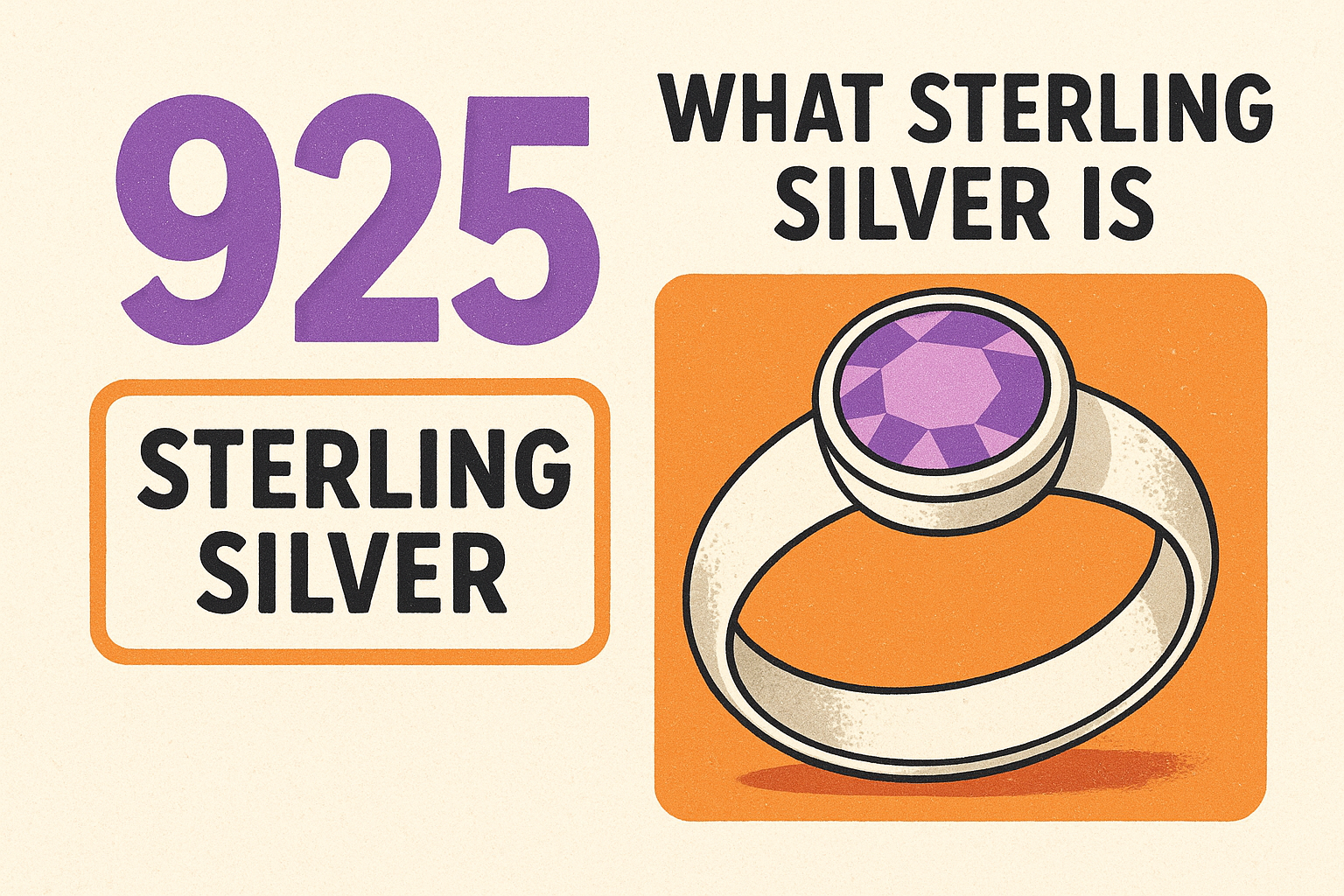
Sterling silver is a metal alloy, not pure silver. Pure silver, at 99.9% purity, is too soft for everyday jewelry, so manufacturers mix it with other metals to add strength and durability. The most common result is sterling silver: 92.5% pure silver and 7.5% other metals, most often copper, but sometimes zinc, nickel, or other alloys depending entirely on the manufacturer.
The 7.5% that matters
That small remaining percentage is where everything gets complicated when you ask is sterling silver hypoallergenic. The 925 stamp you see inside a ring or on the back of a pendant simply confirms the silver content. It tells you nothing about what fills the other 7.5%, and two pieces both stamped 925 can have completely different alloy mixes. That means one could irritate your skin while the other sits fine for years.
The 925 hallmark is a purity guarantee for silver content, not a safety guarantee for sensitive skin.
Your skin reacts to the specific metals in that 7.5% blend, not the silver itself. If a manufacturer uses nickel as the hardening agent, you are essentially wearing a nickel piece with a silver finish over it. Copper is a far more common and less reactive choice, but you have no way to confirm which metal fills that gap unless the brand discloses it directly.
Is sterling silver hypoallergenic for most people
For people without a known metal allergy, sterling silver is generally tolerable and worn daily without any issue. The silver content itself is not a common allergen, and if the manufacturer uses copper as the hardening alloy instead of nickel, most wearers never experience a reaction at all.
When the answer tends to be yes
If your skin handles most metals without reacting, sterling silver sits in a reasonably safe category for you. Copper-alloyed sterling silver causes far fewer problems than nickel-based versions, and since copper is the industry standard in reputable manufacturing, many people wear 925 silver for years with no irritation whatsoever.
Sterling silver is not classified as hypoallergenic by default, but it clears the bar for most people who don't already have a nickel sensitivity.
So is sterling silver hypoallergenic in a strict sense? No. But for wearers without an existing allergy, the risk is low enough that most dermatologists would not flag it as a high-concern metal. Your history with other jewelry is the most useful data point you have. If you react to cheap earrings but handle higher-quality metal pieces just fine, sterling silver from a transparent brand is likely safe for your skin.
When sterling silver can still irritate skin
Even if you've worn sterling silver before without issues, certain conditions can flip that outcome. Existing nickel sensitivity is the biggest factor, but it's not the only one. Your skin's reaction also depends on how much you sweat, how long you wear a piece, and whether the silver has a protective coating that's started to wear off.
If your skin has reacted to cheap jewelry in the past, the odds are higher that nickel-containing sterling silver will trigger the same response.
Nickel content in the alloy
Some manufacturers still use nickel as the hardening metal in their 7.5% alloy blend, and this is where the real risk lives. So even asking is sterling silver hypoallergenic gets you a complicated answer when the brand doesn't disclose what fills that 7.5%. Situations where nickel exposure becomes a direct problem include:
- Wearing a piece for extended hours without removing it
- Sweating heavily while the piece is on
- Having a diagnosed nickel allergy already
Worn or plated surfaces
Plating over sterling silver can wear thin with regular use, especially on pieces that sit against skin all day. Once that layer breaks down, the base alloy makes direct contact with your skin.
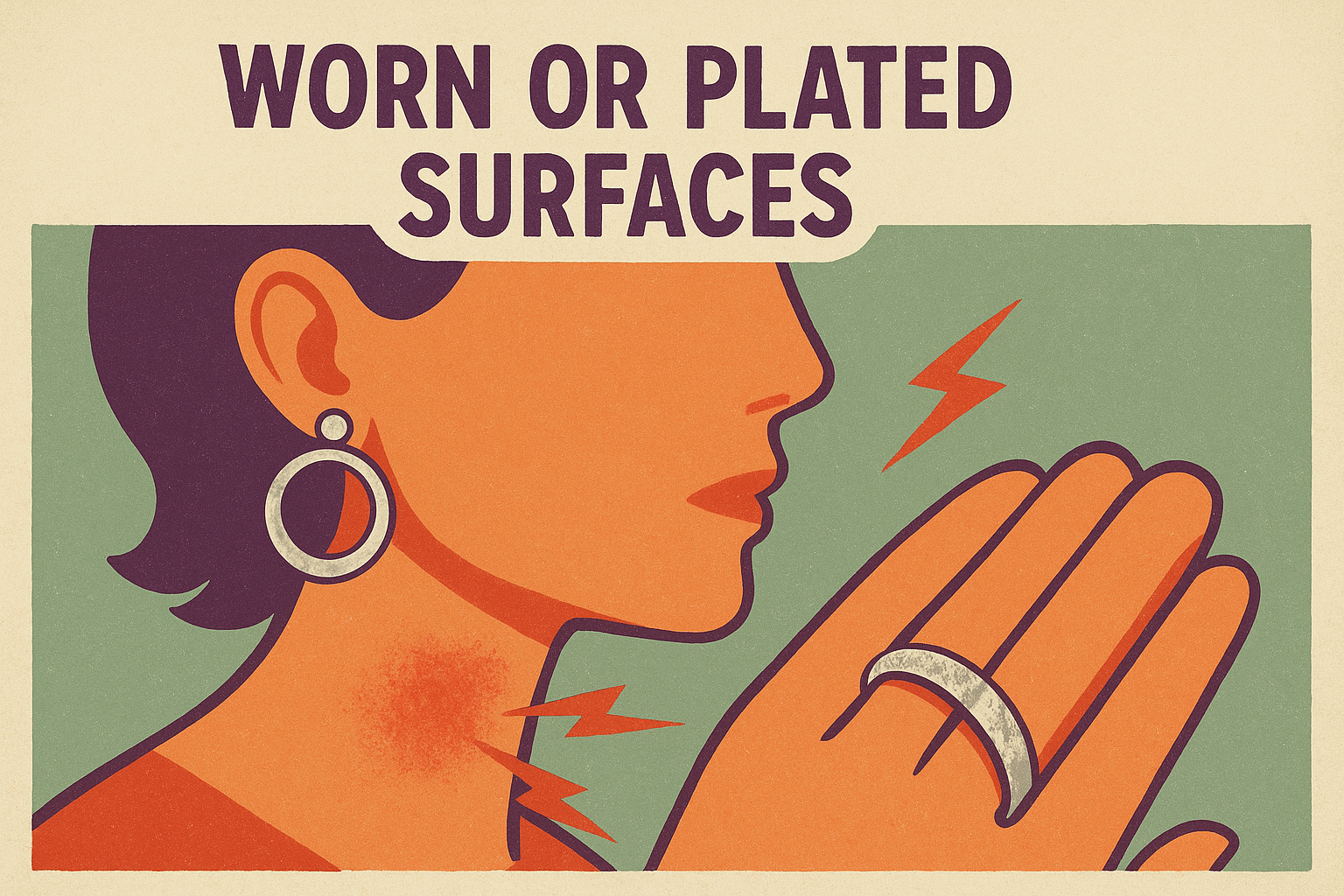
Any nickel present becomes a much more immediate irritant at that point. Earrings and rings tend to show this problem first because they press against skin constantly and collect sweat in tight spots.
How to pick and wear sterling silver safely
When you're already asking is sterling silver hypoallergenic, the next practical step is knowing what questions to put to the brand. Alloy transparency is the clearest indicator that a jewelry maker prioritizes skin safety over cutting production costs. If a brand can't or won't disclose what fills that 7.5%, that's a reasonable signal to buy elsewhere.
Ask the brand directly what metals make up their alloy blend before purchasing any sterling silver piece.
Check the alloy and coating before purchasing
Your best move is to contact the brand directly and ask whether their sterling silver uses copper or nickel as the hardening agent. Reputable manufacturers will tell you without hesitation. You should also look for a protective coating on the piece, such as rhodium plating, which places a physical barrier between the alloy and your skin and lowers the risk for sensitive wearers significantly.
Build habits that lower your risk
Even with high-quality sterling silver, how you wear and store a piece matters. Remove your jewelry before swimming, showering, or heavy workouts to limit how much sweat contacts the metal directly throughout the day. Wipe pieces dry after any moisture exposure and store them in a dry pouch when not wearing them. These simple habits protect your skin and keep the metal in better shape longer.
Quick recap
Sterling silver sits in a gray area on skin safety. It is 92.5% pure silver, which is not a common allergen, but that remaining 7.5% alloy blend can contain nickel, and nickel is the primary driver of jewelry-related skin reactions. So when you ask is sterling silver hypoallergenic, the honest answer is: it depends entirely on what fills that gap, and most brands won't tell you upfront without some pushing.
Your skin history is your clearest guide here. If you already react to cheap metals, look for brands that disclose their alloy composition, use protective coatings like rhodium plating, or skip silver entirely in favor of gold-plated options built for daily wear. At Ezra Gems, the jewelry is designed to stay on your skin without the irritation, tarnish, or green marks that come with low-quality materials. Browse the bestselling jewelry pieces and find something that actually works for your skin.
Leave a comment