


You see a jewelry ad promising pieces that never tarnish. The claim sounds perfect. But what does tarnish free jewelry actually mean? And can you trust those promises?
Tarnish free jewelry refers to pieces made from materials that resist the chemical reactions causing discoloration. When metal reacts with air, moisture, or chemicals, it forms a dark film on the surface. True tarnish resistant pieces use metals that naturally avoid this process or have protective layers strong enough to prevent it. Not all jewelry marketed this way lives up to the claim.
This guide breaks down what makes jewelry genuinely tarnish resistant. You will learn which metals hold up best over time and what to watch for when shopping. We cover durability concerns, proper care methods, and how to spot quality pieces that justify their price. Whether you wear jewelry daily in the shower or save special pieces for occasions, you need facts to make smart choices. Skip the disappointment of faded finishes and green skin marks. Get the clarity you need to invest in pieces that stay beautiful.
Why tarnish free jewelry matters
Your jewelry should work with your lifestyle, not against it. Tarnish free jewelry eliminates the constant worry about discoloration and maintenance that plagues traditional pieces. You can wear your favorite necklace or earrings every day without checking for dark spots or planning cleaning sessions. This freedom changes how you approach accessorizing.

Protection for your skin and wardrobe
Standard jewelry often leaves green or black marks on your skin when the metal reacts with sweat or moisture. These stains require scrubbing and can ruin your clothes too. Tarnish resistant materials stop these reactions before they start, keeping your skin clean and your confidence intact. You skip the embarrassment of visible discoloration during meetings or dates.
Quality materials protect both your appearance and your investment.
Real savings over time
Buying cheap jewelry that tarnishes within weeks forces you into a replacement cycle that drains your budget. You might spend less upfront, but replacing pieces three or four times a year adds up fast. Durable tarnish free options cost more initially but last for years with minimal care. You build a reliable collection instead of constantly shopping for replacements, saving both money and frustration in the long run.
How to choose tarnish free jewelry
Understanding what is tarnish free jewelry starts with knowing how to separate genuine quality from empty marketing promises. Your first step requires examining the specific materials listed in product descriptions. Sellers who clearly state they use 316L stainless steel, platinum, or high-karat solid gold show confidence in their product. Vague terms like "tarnish resistant metal" or "premium alloy" should raise immediate red flags. You deserve transparency about what you are buying.
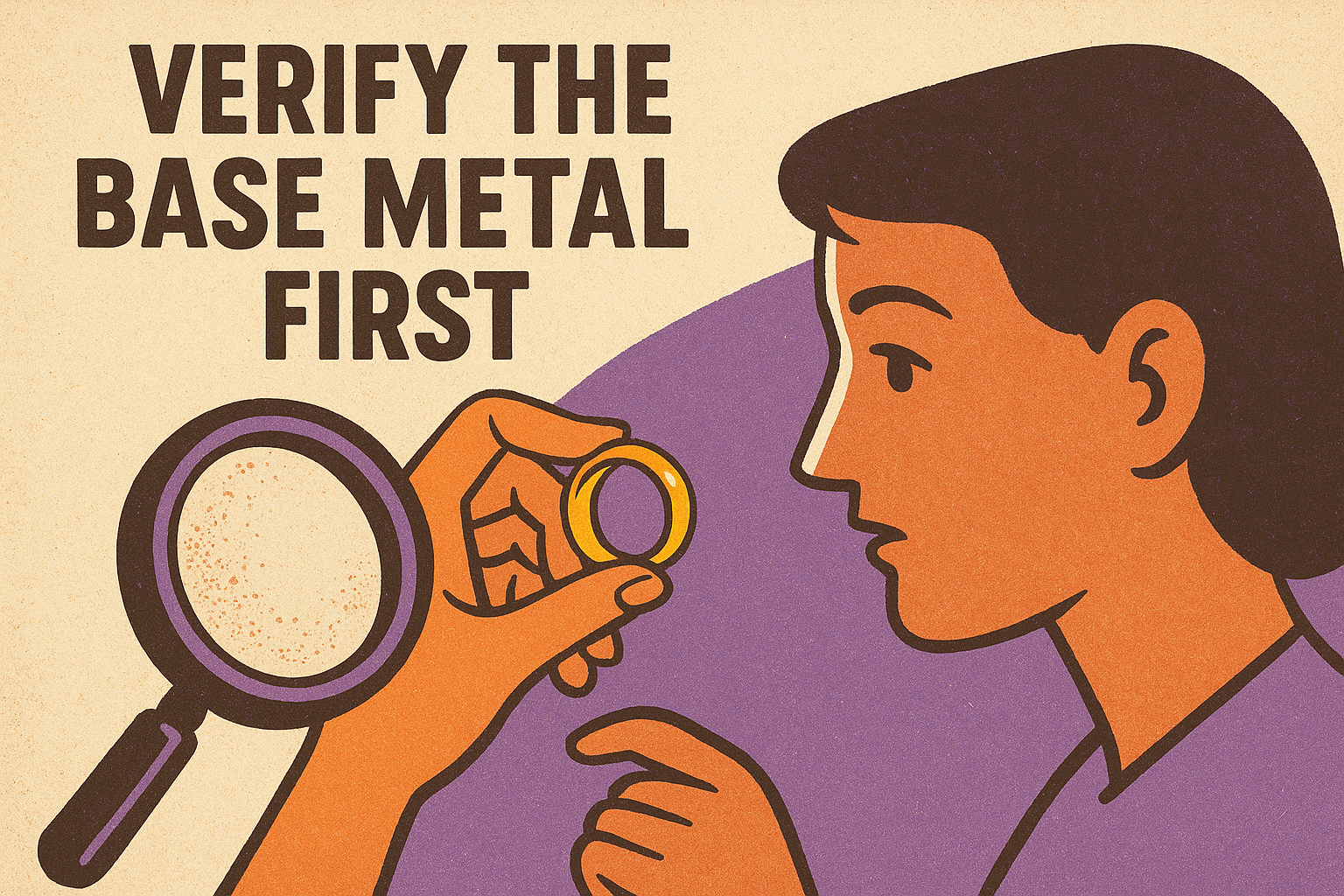
Verify the base metal first
The coating matters less than what lies underneath. Many pieces feature gold plating over cheap base metals like brass or copper, which tarnish quickly once the thin coating wears away. You need jewelry with a non-reactive core material that resists oxidation naturally. Stainless steel stands out here because the metal itself will not corrode, even if surface treatments fade. Always ask sellers to specify both the base metal and any coating process before you buy.
Demand proof through warranties
Reputable brands back their tarnish free claims with lifetime guarantees or color warranties that protect your investment. These commitments signal quality materials and manufacturing processes the company trusts. Products without any warranty often fail within months, leaving you with wasted money and disappointment. Check return policies too, since generous terms let you test pieces in real conditions before committing.
Strong warranties reveal which brands truly stand behind their quality promises.
Price alone does not guarantee durability. You will find overpriced items with weak coatings and affordable pieces built to last. Focus on material specifications, warranty coverage, and customer reviews mentioning long-term wear. This research protects you from marketing hype and leads you to jewelry that actually performs as promised for years of daily use.
Metals that resist tarnish best
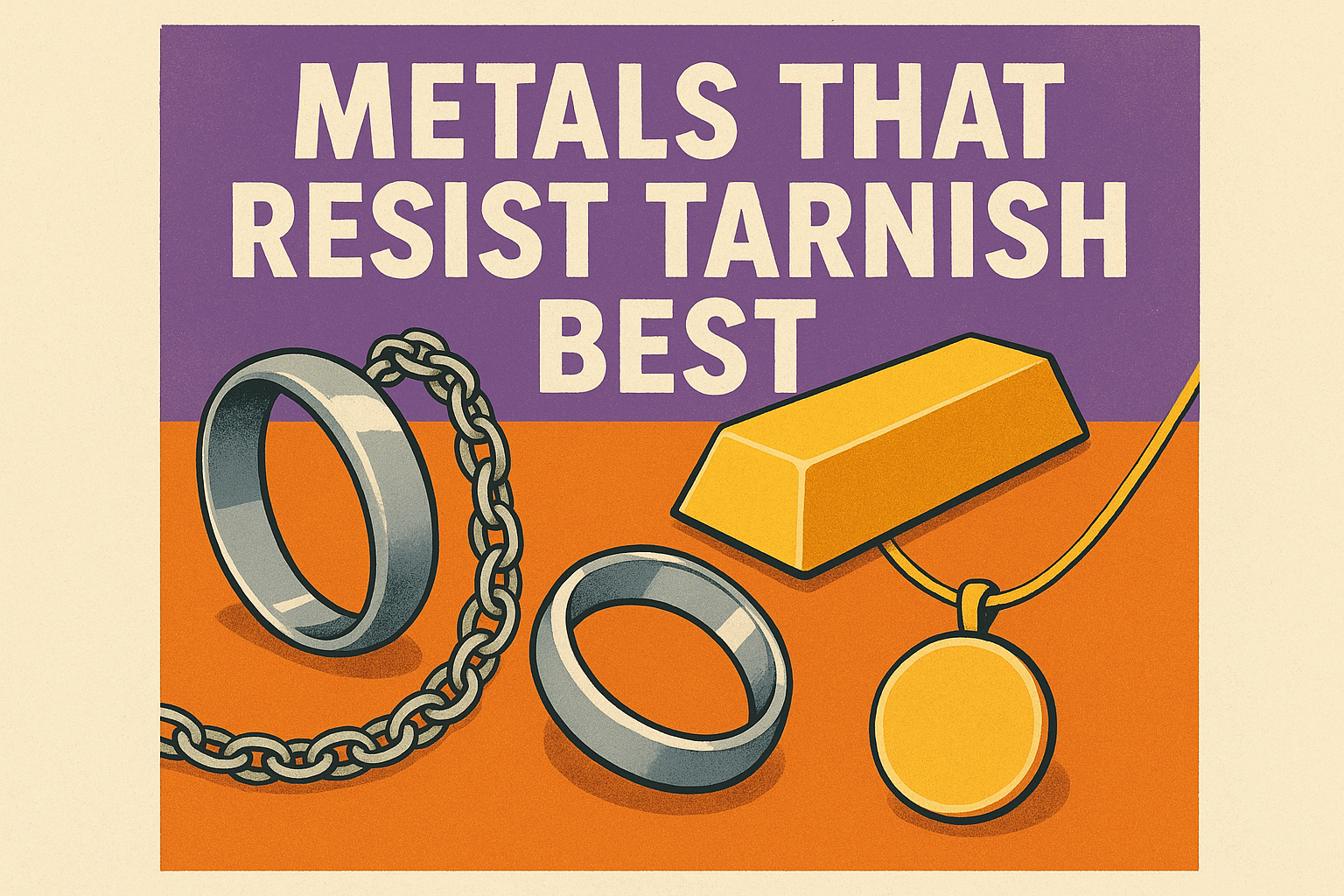
Not all metals perform equally when you want jewelry that stays pristine. Understanding what is tarnish free jewelry requires knowing which metals naturally resist the chemical reactions that cause discoloration. Some materials form protective barriers on their surface while others remain chemically stable regardless of exposure to air and moisture. The metal you choose determines whether your jewelry survives years of daily wear or disappoints you within months.
Stainless steel dominates for good reason
316L stainless steel earns its reputation as the champion of tarnish resistance. The high chromium content creates an invisible layer on the surface that self-heals when scratched, continuously protecting the metal underneath from oxidation. This surgical-grade material resists reactions with sweat, water, perfumes, and lotions that destroy other metals. You can wear stainless steel pieces through showers, workouts, and humid weather without worry.
Price makes stainless steel even more attractive. You get exceptional durability without the cost burden of precious metals. The material stays bright and silver-toned indefinitely with minimal maintenance. When you see gold-colored stainless steel jewelry, check whether the manufacturer uses PVD coating rather than standard plating, since this process bonds gold more permanently to the steel base.
Precious metals justify their premium cost
Pure metals like 24-karat gold and platinum never tarnish because they do not react with environmental elements. These materials stay brilliant indefinitely. Lower karat gold alloys (14k or 18k) mix pure gold with other metals, which can tarnish slightly over time, though 18-karat gold still offers excellent resistance. Palladium provides similar benefits to platinum at a lower price point while maintaining the same tarnish-proof qualities.
Precious metals deliver permanent shine but require careful attention to purity levels.
Titanium and tungsten carbide present alternative options combining extreme scratch resistance with tarnish-proof performance. Both materials suit people who work with their hands or need jewelry that withstands harsh conditions daily. These metals cost less than precious options while matching their longevity.
How durable is tarnish free jewelry
Knowing what is tarnish free jewelry means understanding that tarnish resistance does not automatically guarantee indestructibility. Your jewelry can resist color changes while still facing damage from scratches, impacts, or aggressive chemicals. The durability depends entirely on the base metal and coating quality, not just tarnish resistance claims. You need realistic expectations about how these pieces hold up under different conditions.
Real-world wear expectations
Daily activities test jewelry durability more than occasional wear. Solid metals like stainless steel, platinum, and titanium withstand constant exposure to water, sweat, and friction without weakening. These materials bounce back from impacts and resist deep scratches that plague softer metals. You can wear them through workouts, swimming, and manual labor with confidence. Gold-plated pieces perform differently since the thin coating wears gradually from repeated contact with skin, clothing, and surfaces.
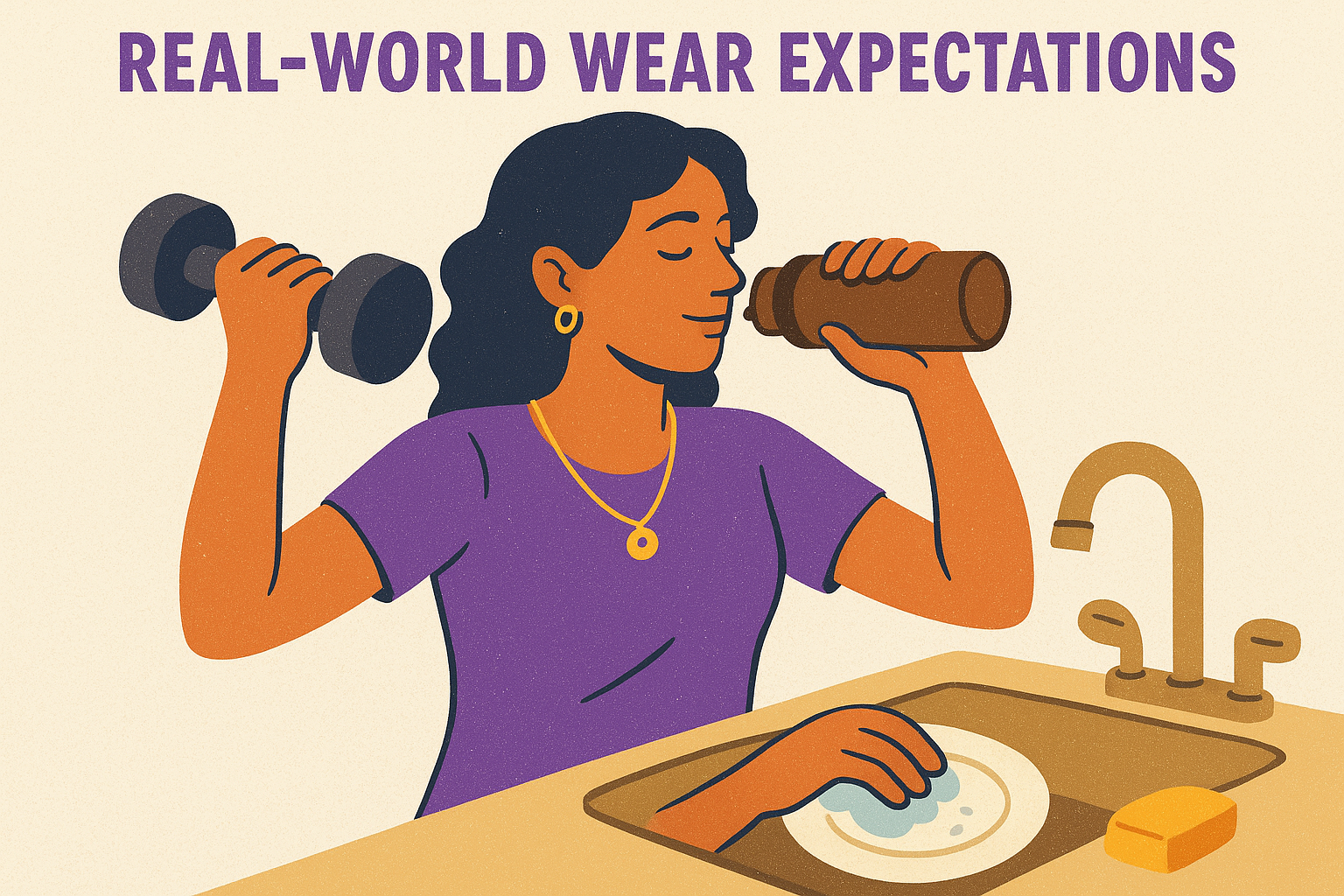
Durability extends beyond color retention to include scratch resistance and structural integrity.
What compromises longevity
Coating quality determines how long gold-colored jewelry maintains its appearance. Standard plating wears away within months from normal friction, exposing the base metal underneath. PVD coatings last significantly longer but still thin over time in high-wear areas like ring bands. Harsh chemicals in cleaning products, chlorine pools, and certain lotions accelerate this breakdown process. Your jewelry survives longest when you remove it before using strong chemicals or swimming in treated water.
Care tips for tarnish resistant pieces
Even jewelry that resists tarnishing naturally needs proper care to maintain its appearance long term. Understanding what is tarnish free jewelry includes knowing that maintenance requirements drop significantly compared to traditional metals, but you still need smart habits. The right care routine extends the life of protective coatings and keeps base metals performing at their best. You protect your investment through simple daily practices that take seconds.
Clean with gentle methods
Your tarnish resistant jewelry stays cleaner longer than reactive metals, but oils, lotions, and dirt still accumulate on surfaces over time. Wipe pieces with a soft microfiber cloth after wearing them to remove buildup before it hardens. For deeper cleaning, use warm water mixed with mild dish soap and a soft brush to reach crevices. Rinse thoroughly and dry completely before storage. Avoid harsh chemicals, ultrasonic cleaners, and abrasive materials that can damage protective coatings even when they cannot penetrate to the base metal underneath.
Gentle cleaning preserves coatings while removing the residue that dulls shine.
Store pieces properly
Smart storage prevents unnecessary wear on both solid metals and coated pieces. Keep jewelry in separate compartments or soft pouches to avoid scratches from pieces rubbing together during storage. Air exposure affects some tarnish resistant materials over extended periods, so sealed containers work better than open dishes or stands. Remove jewelry before sleeping, exercising, or swimming in chlorinated water to minimize friction and chemical exposure that gradually wears protective layers.

Key takeaways on tarnish free jewelry
Understanding what is tarnish free jewelry helps you make smarter purchases that last. True tarnish resistance comes from specific materials like 316L stainless steel, platinum, and high-karat gold that naturally resist chemical reactions. You avoid disappointment when you verify base metals and demand warranties before buying. Marketing claims mean nothing without material specifications backing them up.
Durability extends beyond color retention to include scratch resistance and structural integrity. Your pieces need proper care even when they resist tarnishing naturally. Remove jewelry before swimming in chlorinated water, clean with gentle methods, and store pieces separately to prevent unnecessary wear. These simple habits protect your investment for years.
The right jewelry simplifies your daily routine while keeping you looking polished. You skip constant maintenance worries and enjoy pieces that work with your active lifestyle. Ready to build a collection that lasts? Explore our bestselling jewelry designed for everyday wear without the tarnish, fading, or skin discoloration that plague traditional pieces.
Leave a comment