


You found the perfect gold plated necklace. The price is right, the style is exactly what you wanted, and it looks identical to solid gold pieces that cost ten times more. But before you click buy, one question stops you. Will it tarnish and turn your skin green after a few wears?
The answer depends on the quality of the plating and how you care for it. High quality gold plated jewelry can stay bright and beautiful for years when you know what causes tarnishing and how to prevent it. The thin gold layer does eventually wear down with exposure to water, chemicals, and daily friction. But you can slow that process significantly with the right habits.
This guide walks you through everything you need to know about gold plated jewelry and tarnishing. You'll learn why it happens, how long different types of plating last, what to look for when shopping, and the simple care steps that keep your pieces looking new. Let's start with what gold plating actually is.
What is gold plated jewelry
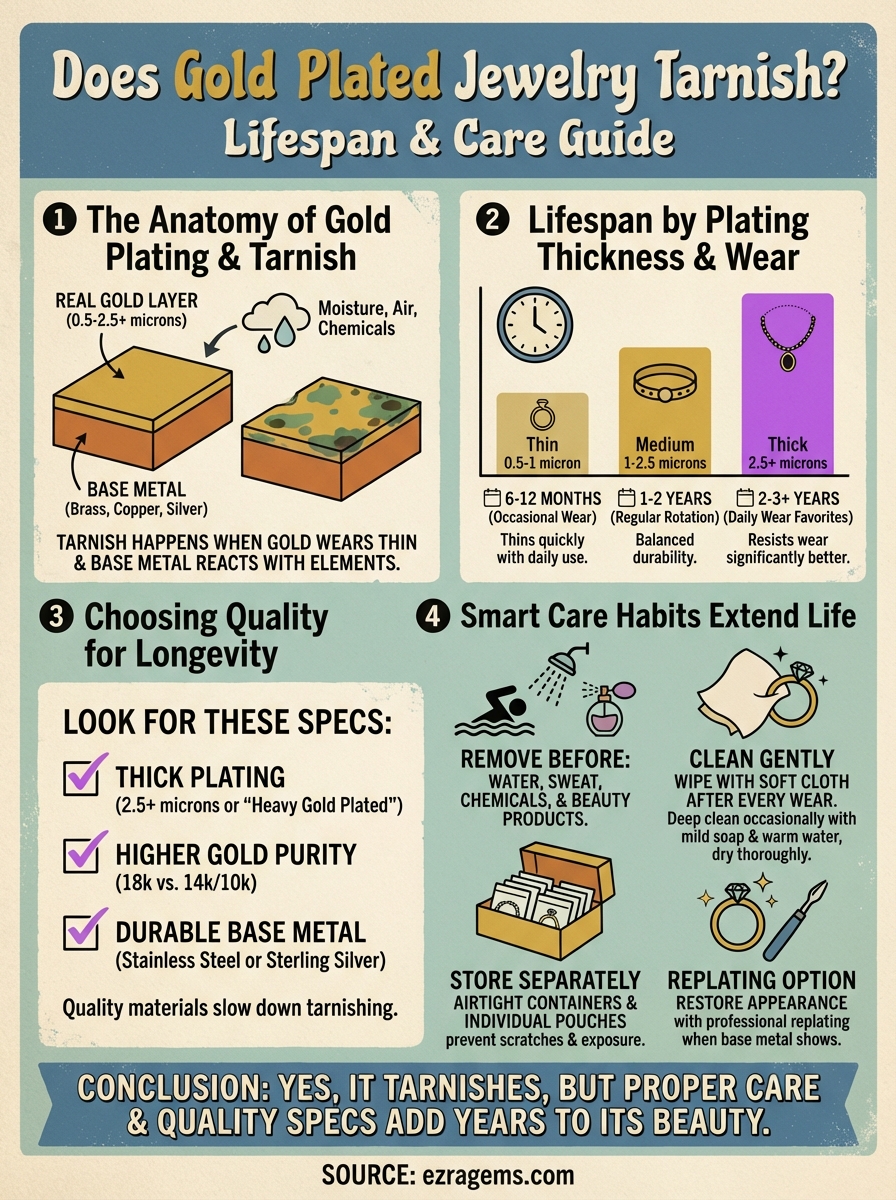
Gold plated jewelry consists of a base metal core covered with a thin layer of real gold. The base metal is usually brass, copper, or sterling silver. Manufacturers bond the gold to this base through an electroplating process that deposits gold molecules onto the surface. The gold layer typically measures between 0.5 to 2.5 microns thick, which is thinner than a human hair.
The construction makes a difference
The quality of gold plated pieces depends on two main factors: the type of base metal used and the thickness of the gold coating. Pieces with thicker plating (2.5 microns or more) resist wear better than those with minimal coverage. You'll also see different gold purities in the plating layer, with 14k and 18k being the most common options. The base metal matters because it determines what happens when the gold wears down. If you're wondering does gold plated jewelry tarnish, the answer often depends on what sits underneath that gold surface.
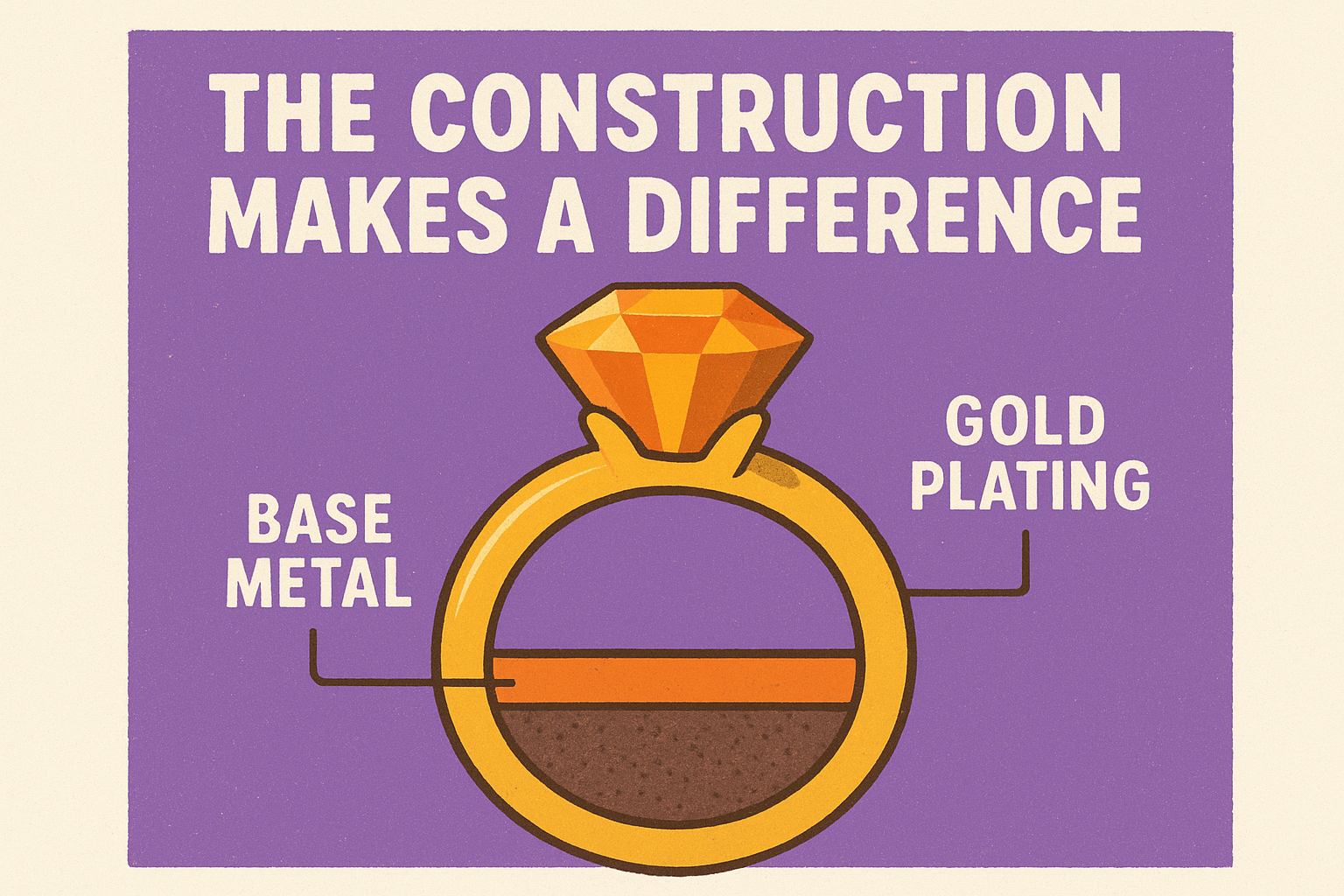
Higher quality plating with a durable base metal can maintain its appearance for years with proper care.
Step 1. Understand why plating can tarnish
Gold plating tarnishes when the thin gold layer wears away and exposes the base metal underneath. The base metal, not the gold itself, causes the discoloration you see. Pure gold never tarnishes or corrodes, but the metals beneath it (copper, brass, or nickel) react with air, moisture, and chemicals to create that dull, greenish, or darkened appearance.
The base metal reacts with elements
When the gold coating develops microscopic gaps or wears thin, oxygen and moisture reach the base metal. Copper and brass oxidize quickly when exposed to air, creating a patina that ranges from brown to green. Your skin's natural oils, sweat, and body chemistry speed up this reaction. Acidic products like perfume, lotion, and hairspray also penetrate the gold layer and attack the metal underneath. The result shows up as dark spots, color changes, or that infamous green residue on your skin.
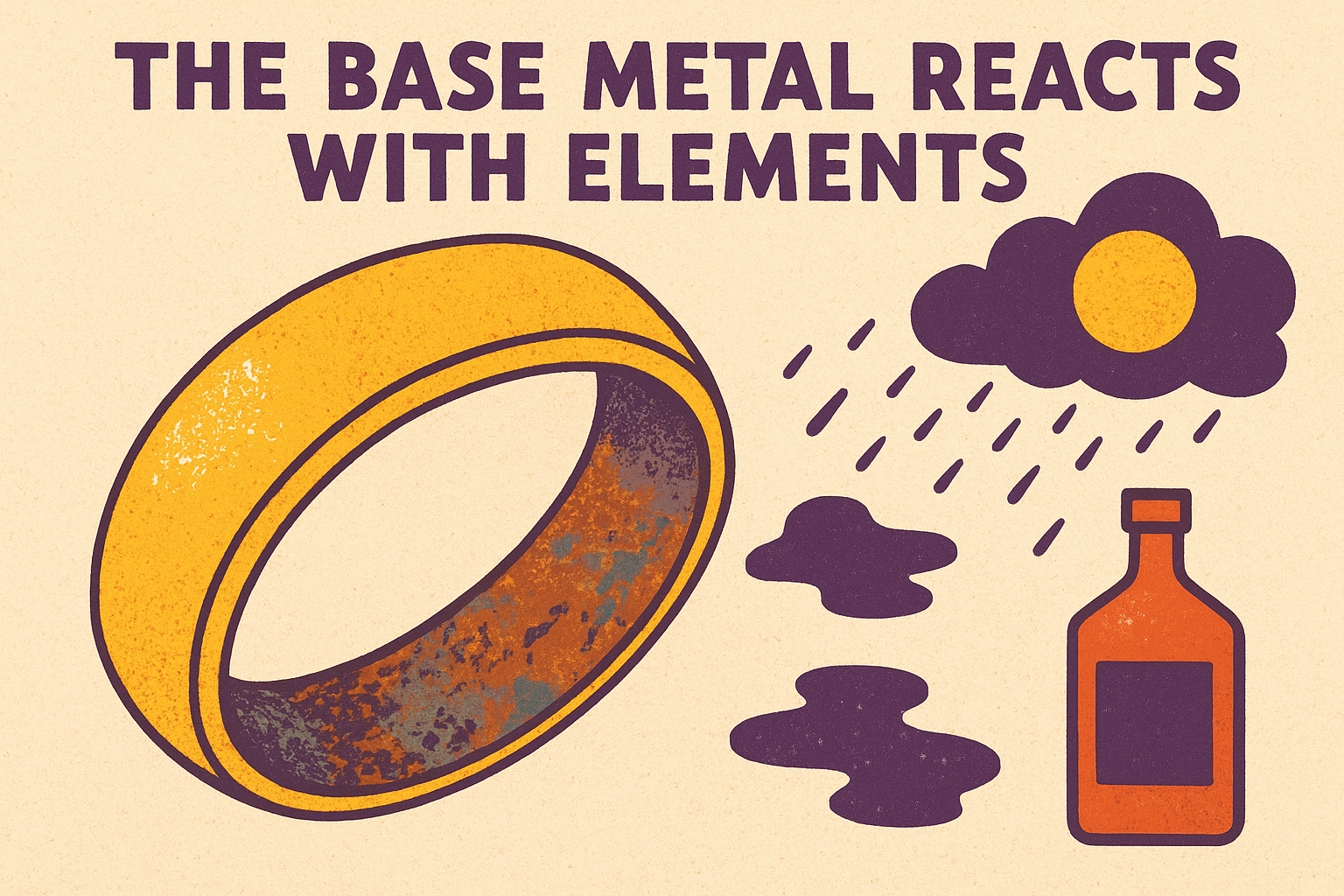
The thinner the gold plating, the faster moisture and chemicals can reach the reactive base metal beneath it.
Wear and friction thin the gold layer
Physical contact wears down gold plating faster than chemical exposure. Rings experience the most friction because your hands constantly touch surfaces, wash dishes, and grip objects. The gold layer on rings can wear through in months with daily wear. Necklaces and bracelets rub against clothing and skin with every movement. Hard surfaces scratch the plating, creating entry points for moisture and air. This explains why does gold plated jewelry tarnish more quickly on high contact areas. Pieces you wear occasionally last longer because they face less physical stress and environmental exposure.
Step 2. Know how long gold plating can last
Gold plated jewelry typically lasts between one and three years with regular wear, though this timeline varies dramatically based on plating thickness, care habits, and how often you wear each piece. A ring you wear every day faces more stress than earrings you save for special occasions. The gold layer wears down gradually, starting with subtle changes in color and eventually exposing the base metal completely.
Thickness determines durability
Pieces with thicker gold plating (2.5 microns or more) can last three years or longer with daily wear. Standard plating at 0.5 to 1 micron wears through much faster, often showing signs of tarnish within six months to a year. When you ask yourself does gold plated jewelry tarnish, remember that pieces labeled as "heavy gold plated" or "thick plated" give you more mileage. The extra microns of gold create a stronger barrier between your skin and the reactive base metal underneath.
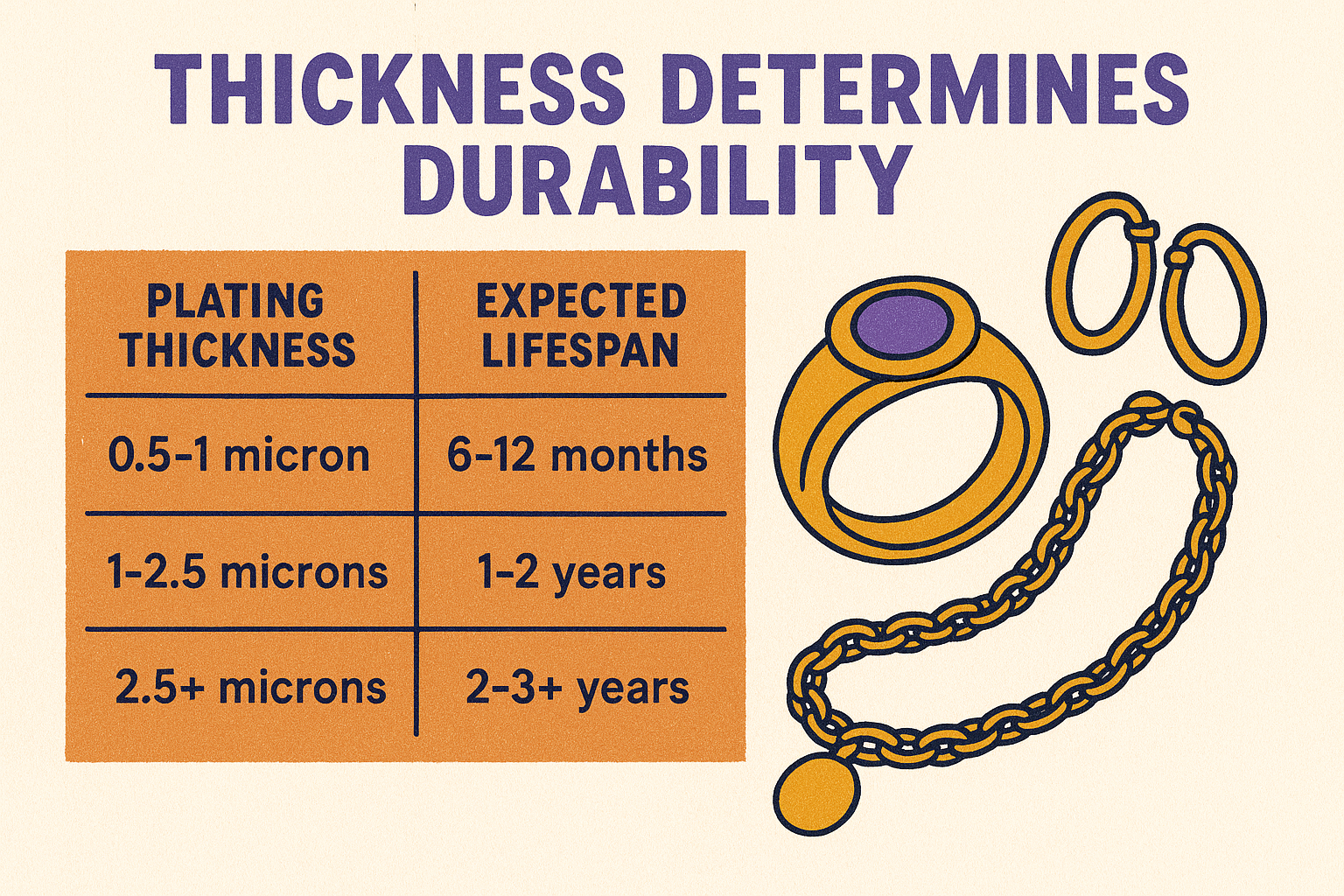
| Plating Thickness | Expected Lifespan | Best For |
|---|---|---|
| 0.5-1 micron | 6-12 months | Occasional wear pieces |
| 1-2.5 microns | 1-2 years | Regular rotation items |
| 2.5+ microns | 2-3+ years | Daily wear favorites |
Your wear patterns matter most
Rings lose their plating fastest because your hands constantly contact surfaces, from doorknobs to keyboards to soap and water. Expect rings with standard plating to show wear within months if you never remove them. Necklaces and earrings last longer since they experience less direct friction and fewer chemical exposures. Store away pieces when you exercise, clean, or swim to extend their life significantly.
The same piece of jewelry can last three months or three years depending entirely on how you wear and care for it.
Replating becomes necessary when you see discoloration or the base metal showing through. Most jewelers offer replating services that restore your pieces to their original appearance for a fraction of the cost of new jewelry.
Step 3. Choose jewelry that resists tarnish
Smart shopping prevents tarnish problems before you ever wear a piece. You can identify quality gold plated jewelry by asking about specific construction details and looking for clear product descriptions that include plating thickness, base metal type, and gold purity. Most retailers hide these details, but reputable sellers list them openly because they know informed customers recognize superior construction.
Look for thicker plating specifications
Jewelry marked as "heavy gold plated" or listing 2.5 microns or thicker gives you the longest lasting finish. Standard plating at 0.5 to 1 micron wears through quickly with regular use. When product descriptions omit plating thickness entirely, assume the thinnest coating possible. Ask customer service directly if the information isn't visible. Quality sellers provide exact measurements because they understand that thickness directly impacts how long their pieces maintain their appearance.
18k gold plating lasts longer than 10k or 14k alternatives because the higher gold content creates a denser, more durable surface layer. The purity matters less than thickness, but when both specifications match, choose the higher karat rating.
Select quality base metals
Pieces built on stainless steel or sterling silver bases resist corrosion better than copper or brass alternatives. Stainless steel never rusts or oxidizes, which means that even when the gold layer wears thin, you won't see green stains or dark discoloration. Sterling silver bases also hold up well, though they can tarnish when exposed after the gold wears down.
Base metal quality determines what happens when the gold plating eventually thins, making it your most important defense against visible tarnishing.
Avoid pieces that list "base metal" or "alloy" without specifics. These vague descriptions usually indicate cheaper copper or brass construction that corrodes quickly. Checking base metal composition answers the question does gold plated jewelry tarnish faster with certain materials, and the answer is always yes with reactive metals underneath.
Step 4. Wear, clean, and store it the right way
The daily habits you build around your gold plated jewelry determine whether it lasts six months or six years. Simple care routines protect the gold layer from the chemical exposure and physical wear that cause premature tarnishing. These practices take seconds to implement but add years to your jewelry's lifespan. When people wonder does gold plated jewelry tarnish quickly, the answer usually reflects how carelessly they treat their pieces rather than actual quality problems.
Remove jewelry before exposure to moisture and chemicals
Take off your gold plated pieces before showering, swimming, or exercising. Water alone won't immediately damage the plating, but chlorine, salt, and soap accelerate corrosion by breaking down the gold layer and attacking the base metal. Your sweat creates the same chemical reaction because it contains salts and acids that penetrate microscopic gaps in the plating.
Apply perfume, hairspray, lotion, and makeup before putting on jewelry. These products contain alcohol and chemicals that corrode gold plating on contact. Let everything dry completely on your skin, then add your jewelry as the final step. This sequence prevents direct chemical exposure that strips away gold molecules.
Remove your jewelry first when you get home, not last when you're already in the shower or at the gym.
Follow this removal checklist to protect your pieces:
- Before bed (reduces friction and body oil exposure)
- Before washing hands or dishes
- Before applying any beauty or cleaning products
- Before swimming in pools, hot tubs, or ocean water
- Before intense workouts or activities that cause sweating
Clean gently with the right tools
Wipe your jewelry with a soft, dry cloth after each wear to remove oils, sweat, and residue before they corrode the plating. This 10 second habit prevents buildup that leads to tarnishing. Use a microfiber or jewelry polishing cloth, never paper towels or rough fabrics that scratch the gold surface.
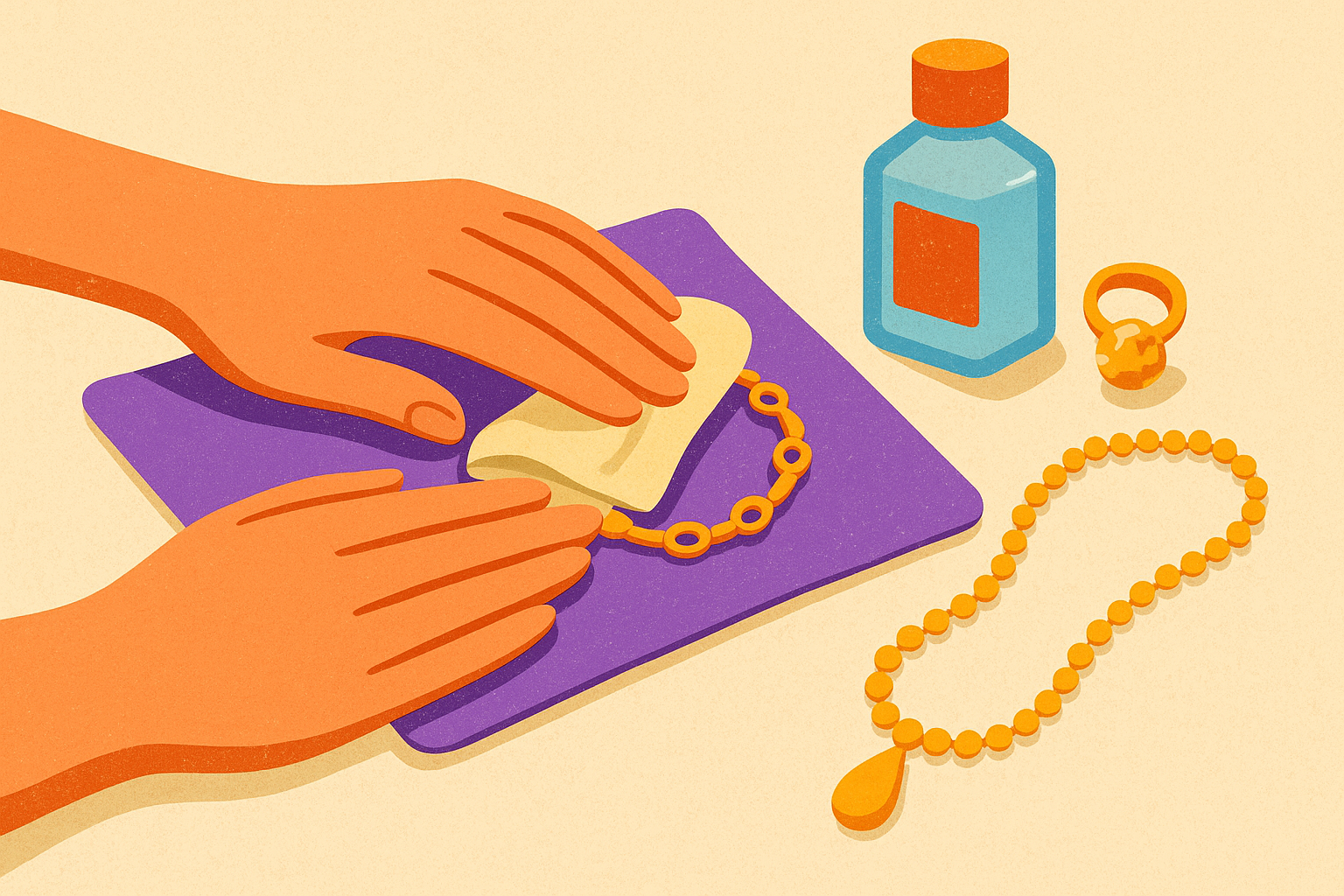
Deep clean pieces every few weeks using warm water mixed with a drop of mild dish soap. Dip a soft cloth in the solution, gently wipe the jewelry, then rinse briefly under lukewarm water. Pat completely dry with a clean cloth immediately. Moisture left on the surface speeds up oxidation of the base metal.
Store each piece separately
Place gold plated jewelry in individual soft pouches or compartments when you're not wearing it. Pieces that touch each other create scratches that expose the base metal. Air exposure also accelerates tarnishing, so sealed containers work better than open jewelry boxes. Store everything in a cool, dry location away from bathroom humidity.
Final thoughts
Gold plated jewelry gives you the luxury look of gold at a fraction of the cost, and now you know exactly how to keep it looking new. The question does gold plated jewelry tarnish has a clear answer: yes, but you control how quickly that happens through your daily habits. Remove your pieces before water exposure, store them properly, and clean them gently to extend their life from months to years.
Quality construction matters from the start. Choose pieces with thick plating and durable base metals that resist corrosion even when the gold layer thins. The jewelry you buy today can stay beautiful for years when you combine smart shopping with consistent care routines.
Ready to find gold plated pieces built to last? Browse our collection of waterproof jewelry designed for everyday wear without the tarnish worries. Each piece ships with care instructions to help you maintain that fresh from the box shine.
Leave a comment